



King Chairs Cabinet Session in Riyadh, Arrives in Jeddah and Greets the Muslim Ummah for Ramadan
The State: Vision and Governance
Riyadh, Jeddah | BETH – Feb 17, 2026
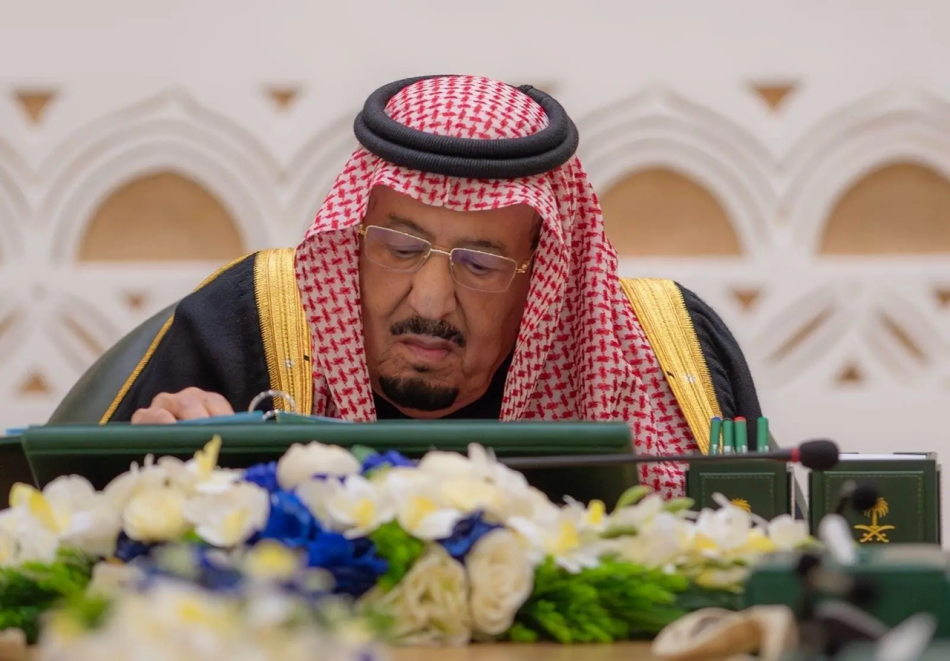
In a scene reflecting the cohesion of the state across political governance, on-the-ground leadership, and value-based guidance, Custodian of the Two Holy Mosques King Salman bin Abdulaziz chaired the Cabinet session in Riyadh, reaffirming the Kingdom’s commitment to serving the Two Holy Mosques and promoting stability and development. This came in parallel with his arrival in Jeddah as part of direct oversight of state affairs, and his address to the nation on the advent of Ramadan — a message carrying spiritual and humanitarian meanings that underscore the Kingdom’s value-driven approach to domestic governance and engagement with the Islamic and international communities.
Cabinet | State Policies and Multilateral Partnerships
The Cabinet extended congratulations on the approach of Ramadan, reaffirming the Kingdom’s role in serving the Two Holy Mosques and their visitors, noting the reception of 19.5 million pilgrims and Umrah performers from abroad in 2025.
It underscored the significance of Founding Day as an expression of the deep historical roots of the Saudi state and its enduring approach over nearly three centuries.
The Cabinet condemned Israeli occupation authorities’ measures in the West Bank, reiterating the Kingdom’s firm position in support of the Palestinian people’s right to establish an independent state along the June 4, 1967 borders, with East Jerusalem as its capital.
It approved a package of memoranda of understanding and cooperation agreements with Japan, Italy, Indonesia, Bahrain, Algeria, Brazil and China, covering smart cities, traditional arts, justice, agriculture, government communication, digital government, health security, anti-money laundering, and financial oversight.
The Cabinet endorsed the National Biosecurity and Biosafety Strategy, alongside regulatory updates including the renaming of the Esports World Cup Foundation and rules governing the stay of GCC-registered vehicles in the Kingdom.
Arrival in Jeddah | Field Leadership and Continuity
The Custodian of the Two Holy Mosques arrived in Jeddah from Riyadh as part of ongoing oversight of state affairs, and was received by the Deputy Governor of the Makkah Region. The movement between the Kingdom’s key administrative centers reflects the dynamism of leadership in field-based governance, and continuity in supervising Hajj and Umrah seasons as well as related development files.
Ramadan Address | A Value-Based Message
King Salman addressed citizens, residents and Muslims worldwide on the advent of Ramadan, emphasizing the values of piety, solidarity and compassion, reaffirming the Kingdom’s commitment to serving the Two Holy Mosques and their visitors, and praying for security and prosperity for the Kingdom, peace and stability for Palestine, the Islamic nation and the wider world.
The address framed values as an integral pillar of governance, where politics and ethics converge in leadership discourse.
BETH Reading
The Saudi day’s integrated message is clear:
The state operates across three synchronized dimensions — organized political decision-making (Cabinet), on-the-ground executive leadership (arrival in Jeddah), and a unifying value-based narrative (the Ramadan address).
This alignment reflects a governance model that links administration with presence, and policy with values, at a regional and global moment that demands internal stability and clarity of positions.