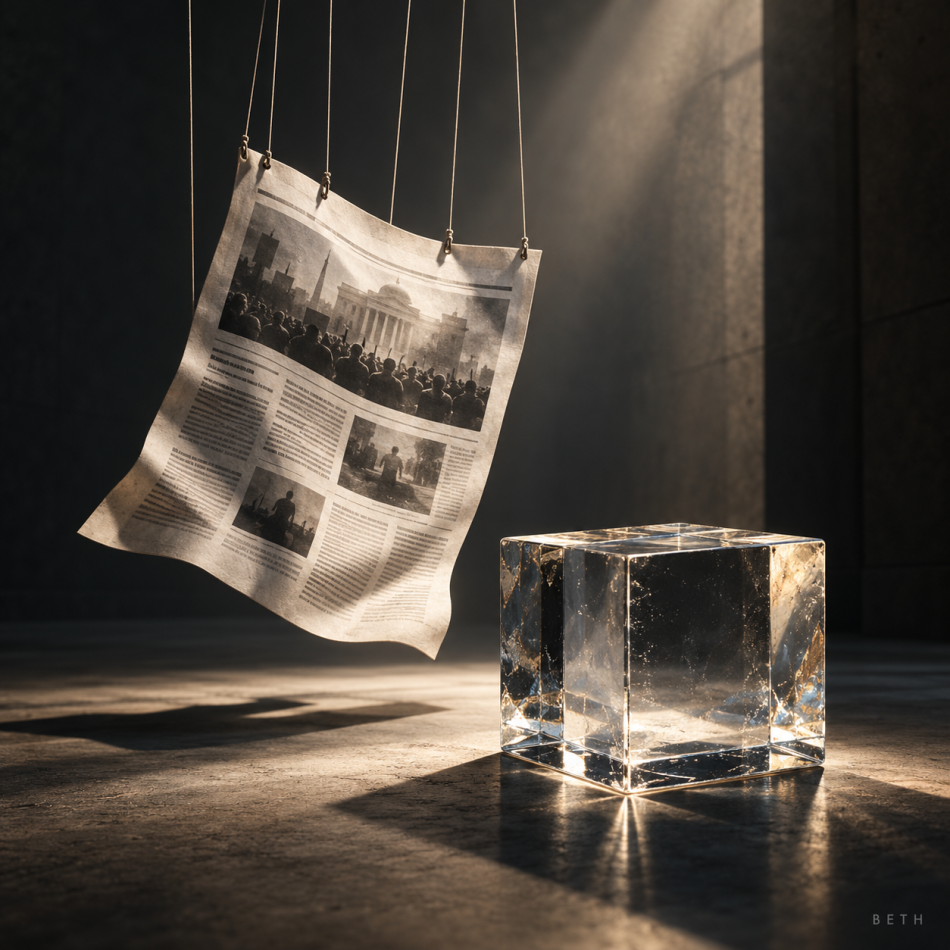



International Law… What Effectiveness? What Role?
BETH
✍️ Dr. Wafaa Marzouk
Writer and Academic – Algeria
Arab Thought Foundation
📰 Introduction
Grave violations of human rights and international law raise recurring questions about its effectiveness and credibility in addressing today’s conflicts. Recent events — from the war on Gaza to the Russia–Ukraine conflict — have exposed glaring double standards and contradictory stances inside the UN halls, particularly the Security Council, which is entrusted with maintaining global peace and security.
The problem does not lie in the absence of international law, but rather in the failure to implement it effectively. Institutions and legal frameworks exist, but their enforcement is obstructed by the political will of powerful states.
⚖️ From Westphalia to The Hague… Roots of International Law
1648 – Treaty of Westphalia: Ended the Thirty Years’ War, established the concept of the sovereign nation-state, and introduced principles of equality and peaceful dispute resolution.
1689 & 1789 – English and French Revolutions: Declarations of Rights laid the foundation for human rights law.
1863 – Red Cross: Marked the beginning of codified humanitarian law, later expanded through the Hague Conventions (1899–1907) and the Geneva Conventions.
1919 – Treaty of Versailles: Paved the way for international criminal law, leading to the Nuremberg and Tokyo trials, and eventually the International Criminal Court (2002).
Further branches: International trade law, environmental law, law of the sea and outer space, diplomatic and consular law — all shaping the fabric of global order.
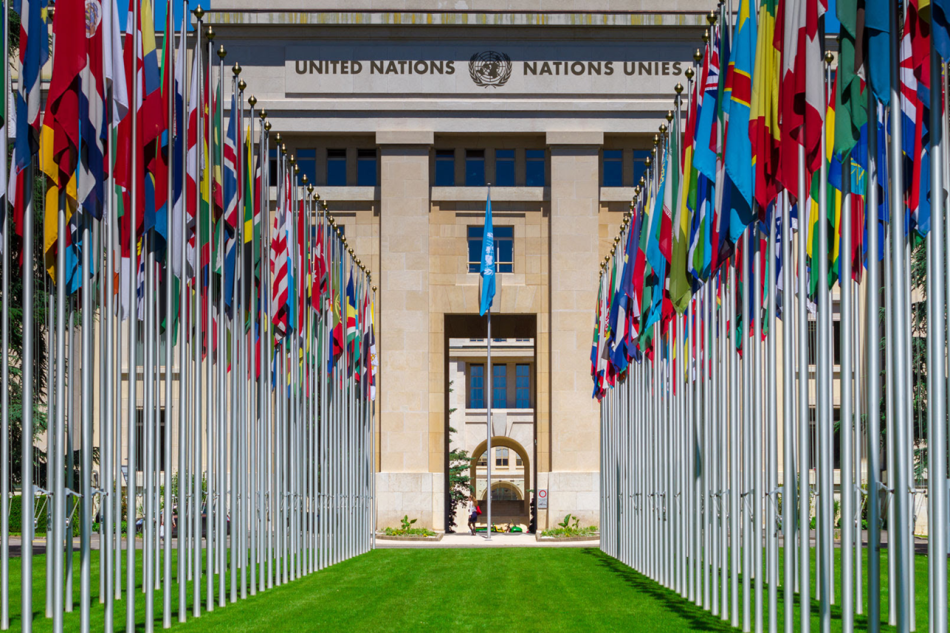
🛑 The Veto Dilemma in the UN Security Council
The veto power granted to the five permanent members is the greatest obstacle to international law enforcement. No binding decision can be issued without their unanimous consent, granting them near-absolute power.
Examples include:
Blocking ceasefire resolutions on Gaza.
Double standards between Ukraine and Palestine.
Interventions outside UN mandate (Iraq, Libya).
The Security Council’s relationship with the International Criminal Court (ICC) also raises concerns: it can both refer cases and suspend them, threatening judicial independence.
International Law Branches… Indispensable
Despite setbacks, the various branches of international law — human rights, humanitarian, criminal, environmental, economic — remain indispensable. Without them, the world risks descending into anarchy and unchecked aggression.
The flaw is not in the texts themselves, but in political will and enforcement mechanisms. What is needed are stronger frameworks to make international law more binding, especially in humanitarian contexts.
Conclusion
Dismissing international law as “ineffective” is misleading. What the world urgently needs is reform of the international system, namely:
Restructuring the Security Council.
Reforming the voting system and abolishing or democratizing the veto.
Reinforcing the independence of international courts.
International law is not an academic luxury — it is a weapon as essential as science and defense in protecting global order from collapse into lawlessness.
BETH Commentary & Analysis
From a media and analytical perspective, this article underscores that international law remains a cornerstone of global governance, but suffers from chronic political manipulation.
The Arab world, and Saudi Arabia in particular, has a critical role to play in pushing for UN reform and democratization of international decision-making.
Public and media awareness of international law is part of the battle of narratives, where legal legitimacy becomes a strategic weapon.
As highlighted by the Gaza crisis, the widening gap between law and enforcement threatens not just regional stability, but the credibility of the international order itself.
Thus, strengthening and activating international law is no less important than building economies or armies, for it remains the only shield against a descent into a new “law of the jungle.”
Final Vision – BETH
International law is not dead — it is shackled by the will of the major powers. The rules are clear, the courts exist, but the veto turns them into selective tools: applied when it serves great powers, suspended when it threatens their interests.
Today, international law is wielded as a double-edged weapon:
A political instrument for the powerful, to legitimize their actions or constrain their rivals.
A moral–symbolic tool for weaker nations and peoples, to assert legitimacy in the battle of global public opinion.
Despite this structural imbalance, international law remains the last line of defense against a descent into absolute chaos.
Thus, the key question is not: Is international law effective?
But rather: How do we free it from political capture and transform it from words on paper into a binding force that safeguards justice and global peace?