


Saudi Arabia: The Axis of Stability
How Riyadh Became a Global Symbol of Trust and Stability in an Uncertain World
By: Abdullah Al-Omairah
Power is not about raising your voice during every crisis.
Nor is politics about chasing every storm.
True power lies in the ability to read events before they erupt, to know when to step forward, when to remain silent, and when to allow time to mature a solution.
It is here that the contours of Saudi Arabia’s role emerge.
Saudi Arabia does not treat events as isolated reactions, but as interconnected files, each with its own timing, tools, boundaries, and risks. As a result, Riyadh often appears to hold a delicate thread between opposing forces: neither drawn into escalation nor absent when influence is required.
A State That Does Not Rush
In a region often consumed by political emotions, Saudi Arabia has chosen a different approach.
It does not chase noise.
It does not build its positions on moments of anger.
And it does not allow rhetoric to rise above national interests.
Instead, it manages events with the mindset of a state, not the impulses of a moment. Its positions may appear calm on the surface, yet over time they reveal an impact that extends far beyond the event itself.
Riyadh is not seeking a quick media victory; it is seeking a lasting outcome.
Why Does the World Trust Saudi Arabia?
Because trust is not granted through slogans; it is built through consistency.
The world trusts Saudi Arabia because it is a nation with independent decision-making, clear interests, firm priorities, and the ability to engage with multiple parties without losing its identity or position.
It maintains strong relations with the West, growing influence in the East, significant Arab and Islamic weight, and an economic standing that makes it an indispensable player in the calculations of energy, investment, development, and stability.
More importantly, Saudi Arabia does not present itself as a temporary mediator; it presents itself as a force for stability. There is a significant difference between those who seek a photograph at the negotiating table and those who seek to prevent the fire from reaching the table in the first place.
Wisdom Is Not Weakness
Many people confuse calmness with weakness.
Yet Saudi Arabia’s measured approach to crises has never been a withdrawal. Rather, it has been a deliberate choice of influence and timing.
In politics, not every strike requires noise.
Not every message requires an announcement.
And not every achievement requires lengthy explanations.
Sometimes, a state's movement at the right moment is enough to reduce the likelihood of war, soften the tone of escalation, or help adversaries find a face-saving exit.
This is politics at its best: the art of managing what is possible, not a stage for political theatrics.
Saudi Arabia and the Broader Vision
What distinguishes Saudi Arabia today is that it does not view stability merely as a security issue, but as a prerequisite for development.
There can be no thriving economy in a region consumed by conflict.
No major investment in a turbulent global environment.
And no meaningful future if wars continue to precede schools, missiles precede factories, and fear precedes hope.
This is why the Saudi vision extends far beyond extinguishing one crisis or calming another. It seeks to move the region—and indeed the world—from a mindset of managing conflicts to a mindset of building the future.
In this sense, stability is simultaneously a Saudi, Arab, regional, and international interest.
When Vision Prevails
The success of the Saudi vision does not require the defeat of others.
Rather, it means the triumph of reason over chaos.
Dialogue becoming less costly than war.
The state becoming stronger than militias.
Construction becoming more attractive than destruction.
And rival parties recognizing that the region can no longer afford new adventures whose costs are paid by ordinary people and future generations.
This is where the brilliance of the Saudi role lies: stability is not created through speeches, but through assembling the conditions that make it possible.
The Secret of Influence
Calmness, vision, the ability to make decisions, political weight, and the pursuit of stability are all important elements, but they are not enough on their own to create influence.
In international politics, there are countries that possess wisdom, and others that seek stability, yet they lack the weight, credibility, capability, or acceptance needed to transform vision into reality.
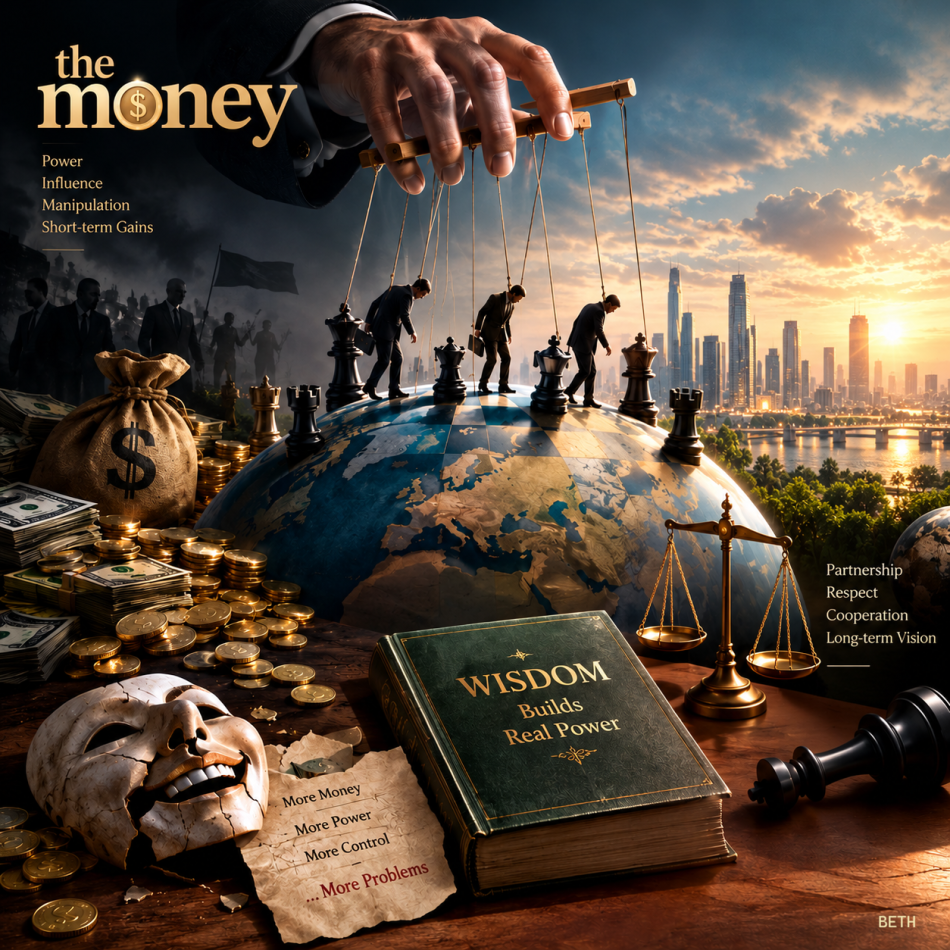
However, when wisdom is combined with strength, vision with capability, and credibility with influence, a nation becomes more than merely heard—it becomes trusted and respected.
Power alone may create deterrence.
But power coupled with wisdom creates acceptance.
And power coupled with responsibility creates stability.
For this reason, a country's influence is not measured solely by the tools it possesses, but by its ability to use those tools in the service of peace and development, making dialogue more present than confrontation.
Conclusion
Saudi Arabia does not act like a country searching for a role.
It acts like a country that knows its weight.
It does not treat crises as opportunities for visibility.
It treats them as tests of wisdom and the ability to maintain balance.
That is why Riyadh has, on many occasions, become an axis of stability—a place where interests converge, voices are lowered, and windows are opened when doors appear closed.
The world trusts Saudi Arabia not because it says it seeks stability, but because it has demonstrated that stability has become an integral part of its vision, its interests, and its evolving global identity.
Ultimately, the standing of nations is not measured merely by the power they possess, but by their ability to transform power into trust, influence into stability, and impact into solutions.
Image Caption
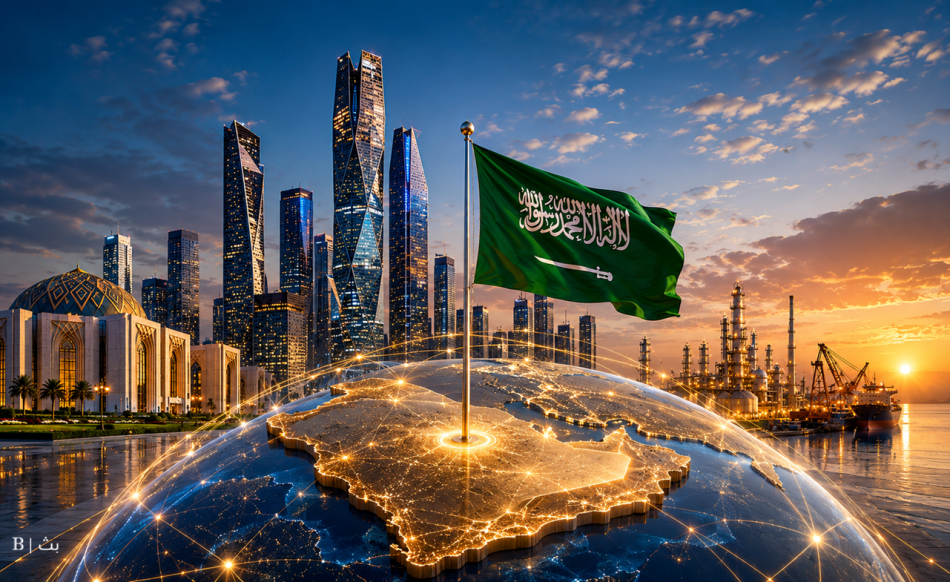
From location to stature, and from capability to influence, trust is built.
Power alone does not create standing; rather, it is the ability to employ that power in the service of stability and development that does.