



Riyadh Measures Life
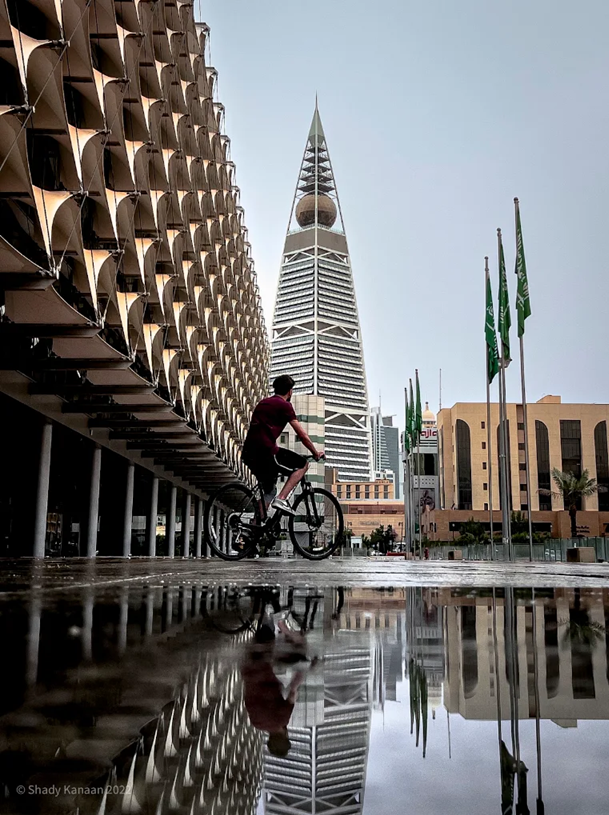
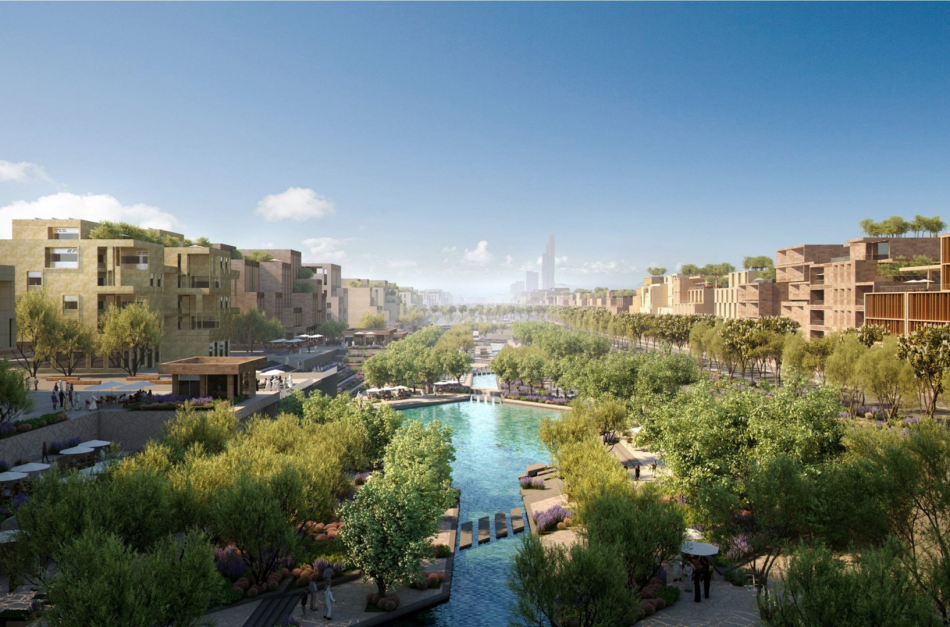
The capital’s inclusion in a global index does not grant it an immediate ranking, but places its quality of life under a unified international measurement framework
Riyadh | BETH
The Quality of Life Program Center has announced that Riyadh has joined the Global Quality of Life Index (QoLI), an international initiative implemented by the Center in partnership with the United Nations Human Settlements Programme, UN-Habitat.
Riyadh’s inclusion follows joint efforts by the Royal Commission for Riyadh City, the Riyadh Region Municipality, and the Quality of Life Program Center. The move aims to strengthen the capital’s position among the world’s best cities for living, working, and investment, while adopting unified measurement frameworks that allow its performance to be assessed and compared with global cities.
The index is based on a set of quantitative and qualitative criteria covering housing, mobility, public services, green spaces, safety, mental and physical health, well-being, the urban environment, and economic and social opportunities.
From Ambition to Measurement
Joining the index does not mean that Riyadh has automatically secured an advanced global ranking. Rather, it represents an important transition from announcing quality-of-life projects to subjecting their outcomes to scientific and comparable measurement.
The significance of the step lies in its ability to reveal the impact of Riyadh’s major transformations on residents’ daily lives, rather than merely measuring the scale of its projects. The true standard will not be the number of new roads, parks, and facilities, but the extent to which they improve mobility, health, safety, and life satisfaction.
The index also enables decision-makers to identify gaps between planning and implementation, determine the areas in which progress has been achieved, and direct investment toward aspects that still require development.
Riyadh is therefore entering a new phase in which it is not merely building a global city, but beginning to measure the experience of the people who live within it. This is the step that distinguishes the expansion of a city from an improvement in the quality of life it provides.