


The World Today – Thursday, September 18, 2025 – Saudi Arabia at the Forefront
Prepared and Analyzed by: Strategic Media Department – BETH Agency
1. The Saudi-Pakistani Strategic Defense Agreement
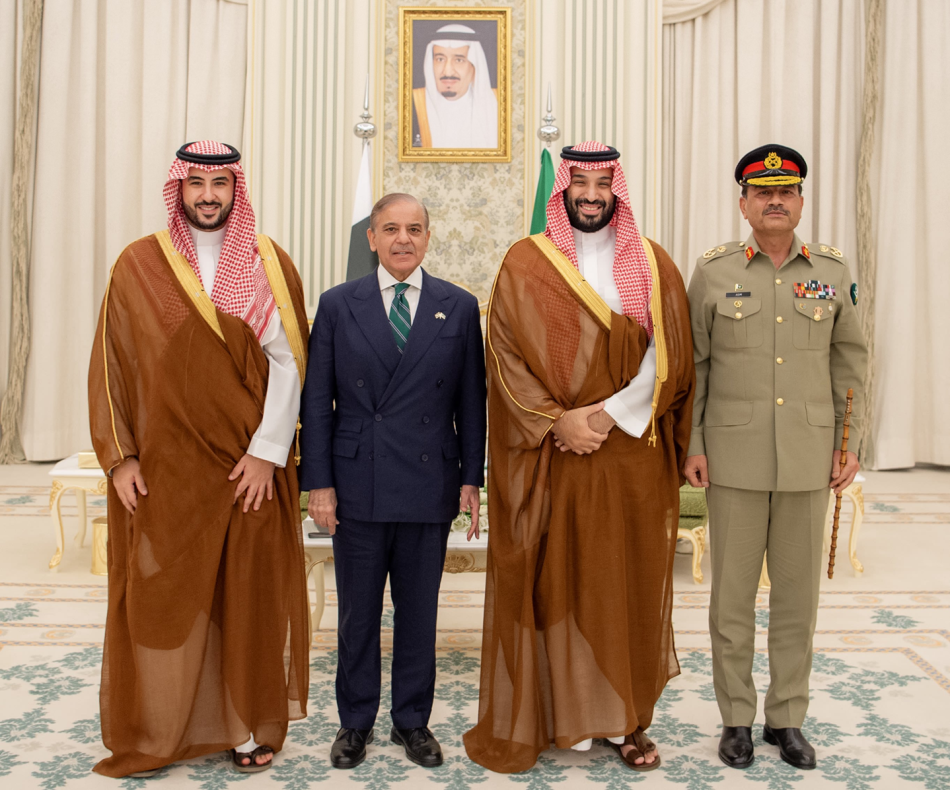
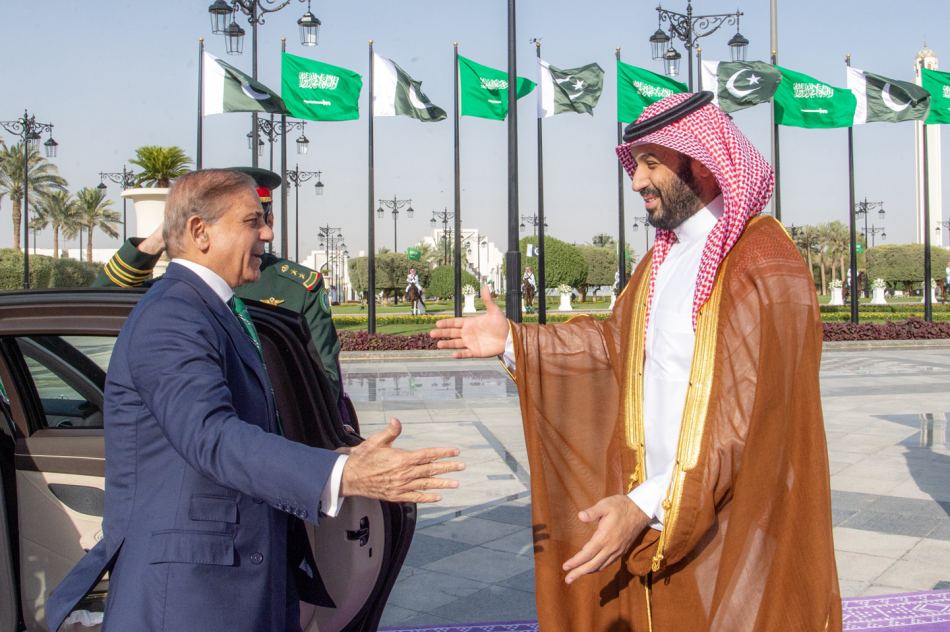
Saudi Arabia and Pakistan signed today a joint defense agreement stipulating that any attack on either nation shall be considered an attack on both.
The agreement includes military cooperation, intelligence sharing, joint exercises, and enhanced deterrence.
This alliance comes amid escalating regional tensions, particularly after the Israeli attack on Qatar, signaling that Gulf states are seeking security guarantees beyond their traditional reliance on the United States.
2. United Nations General Assembly (UNGA) Week
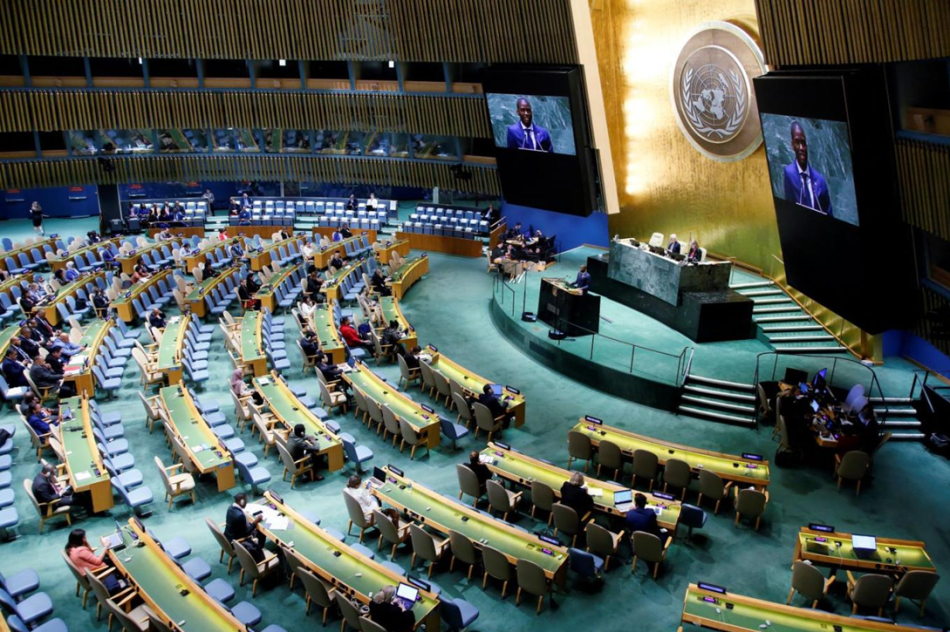
High-level meetings at the UN are beginning, expected to address several critical issues: the war in Gaza, human rights, climate change, peace, and development.
These sessions offer an opportunity to reshape the international discourse on current crises and allow states to express their positions regarding practices widely considered violations of human rights and international law.
3. Protests and Unrest in Europe (France as an Example)
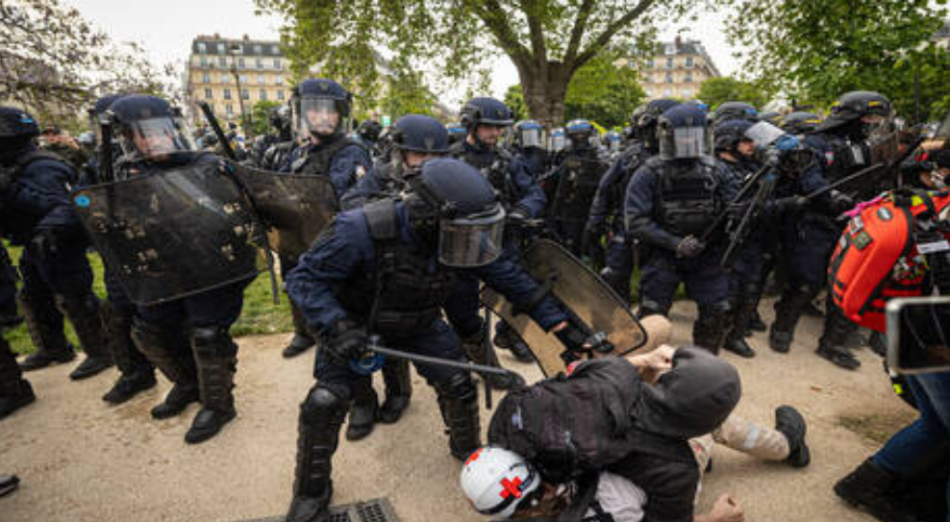
In France, widespread protests erupted in response to cuts in the public budget and their impact on social services.
These demonstrations show that economic and social issues are no less important than major political questions, and that Western citizens also take to the streets demanding dignity and justice.
4. World Patient Safety Day / Global Health Issues
The World Health Organization is observing World Patient Safety Day, focusing on the healthcare of newborns.
These events remind us that humanitarian and health issues are not marginal, but central to the real stability of societies.
🔍 BETH Analysis: Why is this important?
Shift in Alliance Equations: The Saudi-Pakistani agreement is not just a statement, but a practical step toward rebuilding regional security with greater freedom, diversifying partners, and moving away from one-sided security choices.
Plural Legitimacy: As world leaders gather at the UN, the concept of “truth” and “legitimacy” is no longer defined only by the most powerful states, but also by international voices, media, human rights organizations, and the UN itself.
Social Anger Shaking Stability: In Europe, for instance, citizens demand not only political reforms but also social justice and equality. This indicates that a nation’s stability relies not only on political power but also on its ability to meet people’s needs.
Humanitarian and Health Issues as Moral Standards: Health, safety, and basic human rights directly affect individuals. No political or ideological project can override their value or evade responsibility for them.
What Should We Watch Going Forward?
Will the Saudi-Pakistani defense pact inspire other Gulf or Arab nations to enter similar alliances? Could we see more structured “Islamic defense coalitions”?
How will the international community and European institutions react to this new agreement, especially regarding relations with India, Israel, and the United States?
Will protests in Europe expand into a real threat to domestic economic policies?
At the UN, will concrete decisions be taken on major crises — particularly Gaza — or will the outcome be limited to statements?
Finally, will we witness increasing demands from peoples worldwide for governance based on morality as well as politics, measuring nations by their ability to protect human beings and safeguard rights?
Details
Saudi Arabia and Pakistan: A New Strategic Alliance Shaping Regional Security
🔹 Historical Context: Deep-Rooted Ties
Relations between Saudi Arabia and Pakistan are not new; they span over eight decades of modern history.
Saudi Arabia has always been a key supporter of Pakistan in its economic and political crises.
Pakistan, in return, provided a military and technical umbrella through thousands of soldiers, officers, and experts who worked in Saudi Arabia since the 1970s.
Defense and nuclear cooperation has always lingered in the background, as Pakistan is the only Muslim-majority state with nuclear weapons.
🔹 The New Agreement: A Turning Point
With the signing of the “Joint Strategic Defense Agreement” in Riyadh (September 2025), bilateral relations have reached an unprecedented level:
Any attack on either country will be regarded as an attack on both.
Joint deterrence reinforced through intelligence sharing.
Regular joint military exercises and development of bilateral defense industries.
Opening the door to peaceful nuclear cooperation for energy and security purposes.
🔹 Timing: Why Now?
The signing did not come out of nowhere but at a critical regional and global moment:
Israeli escalation: The recent attack on Qatar and the crimes described as genocide in Gaza placed Gulf security in jeopardy.
U.S. ambivalence: Traditional reliance on the American security umbrella is no longer sufficient or guaranteed.
Asian shifts: The rise of China, India-Pakistan tensions, and Saudi Arabia’s need to broaden its alliances with Asian powers.
Pakistan’s aspirations: Islamabad is seeking a strong strategic partner to bolster its stance amid economic and political challenges.
🔹 Strategic Implications
Redefining Gulf Security: No longer confined to Western arrangements, but moving toward multipolar frameworks.
Balancing India: The pact provides Pakistan with leverage against New Delhi, especially amid India’s growing ties with Israel.
Saudi Autonomy in Defense Policy: Riyadh is charting its own security path, away from traditional “guardianship,” sending a clear signal to the world.
Expanding Vision 2030’s Scope: Just as Saudi Arabia diversifies its economy, it is also diversifying its defense partnerships.
🔹 Regional and International Impacts
In the Islamic World: The pact strengthens the concept of an “Islamic defense alliance” as a counterweight to global powers.
In the West: The alliance will be read as a sign of declining Western influence, in favor of building Arab-Islamic independence.
In Asia: China is likely to welcome it, while India may view it with significant concern.
🔹 BETH’s Bold Questions
Could this agreement become the nucleus of a wider Islamic defense coalition, including Turkey, Egypt, and others?
Will it open the door to direct Pakistani nuclear-sharing arrangements to safeguard the Gulf?
How will the United States react, given its view of the Gulf as part of its strategic security domain?
Will India reconsider its relations with the Gulf to offset Pakistan’s influence — or will it maintain its current friendly ties with Saudi Arabia and other Gulf states?
✒️ BETH Commentary
The Saudi-Pakistani defense agreement is not just a signed document; it is a shift in the security paradigm of the region.
It is a clear declaration that Gulf and Arab security is no longer hostage to a single external power but built on multiple partnerships combining Islamic depth with international breadth.
History may record September 2025 as the beginning of a new balance of power in the Middle East and South Asia.