

Iran: Summer of Darkness
Iran – BETH | Friday, 15 August 2025
Source: Hassan Mahmoudi (Iranian writer) – Edited by BETH
What’s happening?
A grinding living-standards crisis is sweeping power, food, and jobs. Field testimonies describe repeated blackouts that spoil groceries, halt small businesses, and paralyze farm irrigation—fueling poverty and public anger.
Voices from the ground
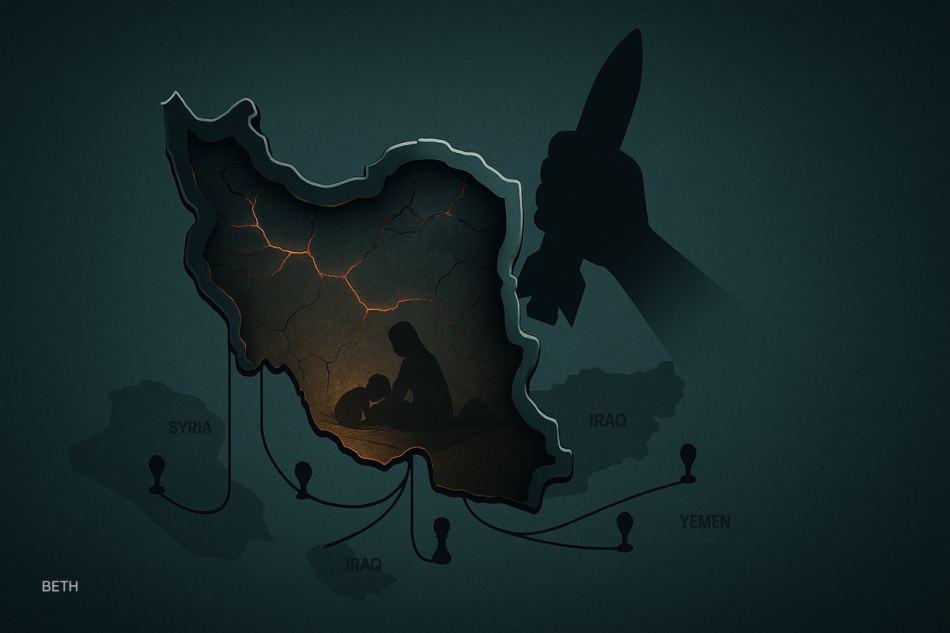
Shiraz (near Hafeziyeh): A street vendor, her child lying on the stone pavement:
“It isn’t fair that some live as billionaires while others can’t afford a night’s bread… I worked with dignity for my son; I didn’t sell my honor—but no one listens. We are exhausted… we have nothing left to lose.”
Langerud (fruit seller):
“Today alone the power cut several times—9 a.m., 11 a.m., 5 p.m., 7 p.m.… My fruit is rotting. I still owe rent and wages. It’s not once or twice—it’s constant, even past midnight.”
Working mother, at home:
“I opened the fridge… all the meat and chicken had gone bad. Who will compensate us?”
Babolsar (farmer):
“Ten days trying to irrigate, and the pumps keep stopping. This isn’t governance—resign if you can’t do the job.”
Abbas Abad (shopkeepers):
“You promised to ‘fix the country.’ Is this the ‘normal life’ you promised? If you can’t manage, step aside.”
Shops waiting in the dark:
“Do you know what it means to send your worker home without dinner because the power is out? This isn’t a life.”
Immediate impact
Daily economy on hold: fresh goods spoiled, losses for small shops, local supply chains disrupted.
Agriculture at risk: pump stoppages threaten crops and push food prices higher.
Social & health burden: food spoilage + summer heat raise risks for low-income families.
Context
These testimonies come from areas considered “better off,” while Sistan-Baluchestan and Kurdistan endure temperatures above 50°C with inadequate power and irregular water—widening inequality.
Urgent questions
Why do outages recur without published load-shedding schedules or clear demand management?
Where are compensations for traders and households losing food and medicine?
What is the plan for maintenance and investment in the grid and backup generation ahead of summer peaks?
BETH Comment
This is not only about electricity; it’s about an eroding social contract. Every hour of darkness compounds economic cost and social anger that slogans can’t contain. Needed now: transparent schedules, compensation mechanisms, and a measurable emergency plan—not vague promises.
Editorial note: This report draws on first-hand testimonies provided in the original material by Iranian writer Hassan Mahmoudi, with BETH newsroom editing. BETH has not independently verified each individual case; we welcome any official response.