



Ithra Films Reach the World

Dhahran | B | بث
May 14, 2026
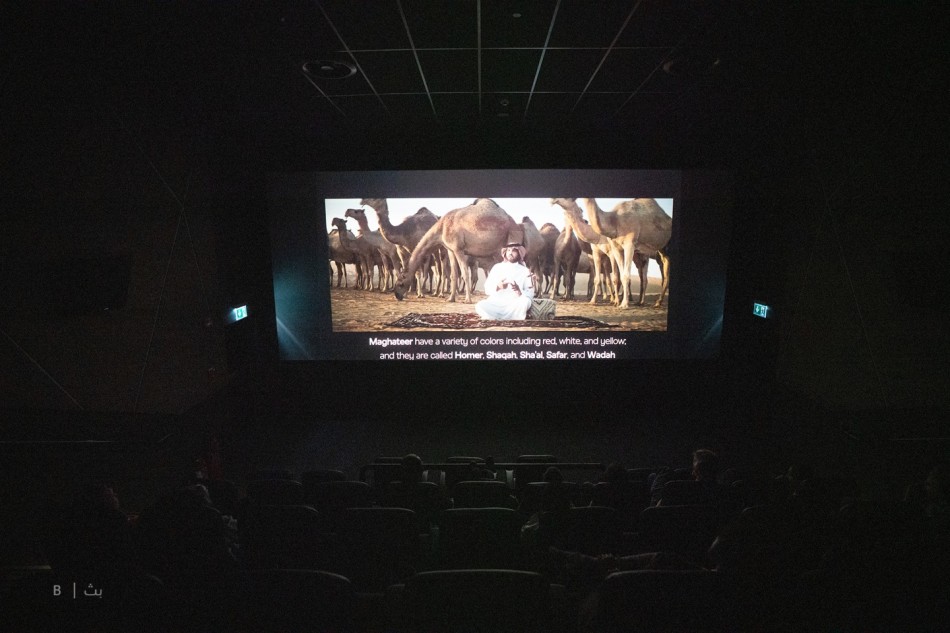
Saudi cinema continues to expand its global presence, as King Abdulaziz Center for World Culture (Ithra) announced that the films it supported and funded have participated in 154 international film festivals and won 60 international awards across 33 countries, through a portfolio of 123 productions including feature films, documentaries, and virtual reality experiences.
The Brief
The center stated that these achievements reflect the growing international presence of Saudi storytelling through visually modern productions inspired by the depth and diversity of local culture, while engaging global audiences through contemporary cinematic language.
The supported projects were developed through several initiatives and programs, most notably the Ithra Film Production Fund, which financed 40 feature films, in addition to the “Ithra Content Initiative,” which supported 48 documentary and animated films, and the “Creative Solutions Program,” which funded 35 films and virtual reality experiences.
The center also continues to organize the Saudi Film Festival in partnership with the Cinema Association since 2014, transforming it into one of the Gulf region’s leading film festivals. Its role has expanded to include film book translation and publishing support, workshops, training programs, and a production market that helps finance future cinematic projects.
B | بث Analysis
What is happening here is not only about films…
It is about reshaping Saudi Arabia’s cultural image before the world.
Modern cinema is no longer merely entertainment,
but one of the most influential tools of soft power,
reflecting:
identity,
vision,
and the ability to tell stories both locally and globally.
What stands out in the Saudi experience is that it is not moving only toward production,
but toward building an integrated ecosystem that includes:
funding,
training,
festivals,
production markets,
and support for local content capable of reaching international audiences.
The inclusion of technologies such as virtual reality and animation within supported projects also reflects a Saudi cinematic movement that is not satisfied with traditional participation,
but is seeking to keep pace with the future transformation of content creation.
At a deeper level,
Saudi Arabia appears not only to be exporting films…
but building a “new visual language”
through which it seeks to present itself to the world in a more influential and contemporary way.