



Hantavirus .. A New Concern or a Limited Threat?
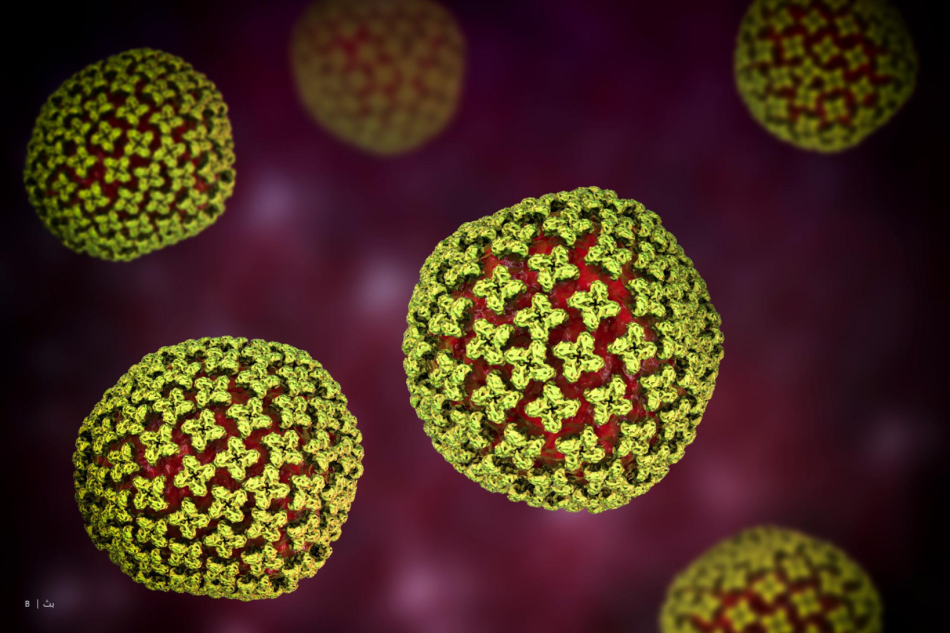
Special Report | B | بث
The name “Hantavirus” has recently returned to global attention after infections and deaths linked to an outbreak aboard a cruise ship revived memories of worldwide epidemics and raised growing questions:
Are we facing a new threat similar to COVID-19, or a dangerous virus with limited spread?
The Situation
Hantavirus is not a new virus. It is a family of viruses known for decades and primarily associated with rodents, especially wild rats and mice, which transmit the infection through contaminated urine, droppings, or saliva.
Infection usually occurs through:
- Inhaling air contaminated with rodent waste.
- Touching contaminated surfaces and then touching the nose or mouth.
- Staying in closed or poorly ventilated areas containing rodents.
The early symptoms resemble influenza and include:
- Fever.
- Severe fatigue.
- Muscle pain.
- Headaches.
- Sometimes stomach disorders.
However, the real danger appears when the condition develops into:
- Acute respiratory distress.
- Fluid accumulation in the lungs.
- Respiratory or kidney failure in some cases.
Some studies indicate that mortality rates in certain strains may be relatively high, especially when diagnosis and treatment are delayed.
Origin of the Name
The name “Hanta” comes from the Hantan River, located on the Korean Peninsula between South and North Korea.
The virus was named after researchers scientifically identified it in the 1970s, when mysterious illnesses spread among soldiers during the Korean War.
In 1978, South Korean scientist Ho-Wang Lee successfully isolated and identified the virus, and it was named after the nearby Hantan River where the cases emerged.
Therefore:
- “Hanta” is not a person’s name.
- It has no independent linguistic meaning.
- It is a geographic name linked to the location where the virus was discovered.
Since then, the term “Hantaviruses” has been used to describe a group of similar rodent-related viruses found in different parts of the world.
Why Has the Virus Returned to the Spotlight?
Global attention intensified after reports of an outbreak aboard a cruise ship, with confirmed infections and deaths prompting international efforts to trace contacts and prevent further spread.
Some reports also raised concern over the possibility that certain strains could spread between humans through coughing or sneezing, although such transmission remains rare and limited compared to viruses such as COVID-19 or seasonal influenza.
According to international reports, the outbreak was linked to the cruise ship MV Hondius, which was traveling between Argentina and Atlantic islands, amid suggestions that the infection may have resulted from limited exposure inside a closed environment or contact with rodent-related contamination during the voyage or at one of the stopovers.
So far, there are no official indications of similar widespread outbreaks on other cruise ships, supporting the theory that this incident was an exceptional case tied to specific circumstances rather than a broader threat to the global cruise industry.
The current situation does not indicate that the world is facing a new global pandemic, but the concern is understandable.
After COVID-19, the world became far more sensitive to any virus associated with:
- High mortality rates.
- Uncertainty surrounding transmission.
- Or sudden appearances in crowded and enclosed environments.
The Memory of COVID-19 .. and Global Fear
Perhaps today’s global concern is not linked to Hantavirus alone,
but to the world’s memory after COVID-19.
Since the pandemic, any news about a new virus has been capable of triggering waves of fear, questions, and suspicion, including recurring debates surrounding pharmaceutical companies, vaccines, and the line between public health awareness and economic interests.
At the same time, public reactions still differ from one society to another. While some countries enter rapid states of alert over any health warning, other societies respond with greater indifference or adaptation, as seen in several countries during COVID-19, where many people continued their daily lives almost normally despite the global panic.
The key difference is that Hantavirus — so far — does not possess the same high human-to-human transmission capability, as most infections remain linked to direct exposure to rodents or their waste.
For this reason, specialists do not currently consider the virus a global pandemic threat on the scale witnessed during COVID-19.
However, this does not mean it should be ignored, especially with:
- Climate change.
- Urban expansion.
- Increasing contact with wildlife.
- Rapid global travel.
What Should People Know?
So far:
- There is no direct specific treatment for Hantavirus.
- Treatment depends on early medical intervention and respiratory and circulatory support.
- Prevention remains the most important factor.
Preventive measures include:
- Rodent control.
- Ventilating closed areas before cleaning them.
- Avoiding direct contact with rodent waste.
- Using protective equipment in agricultural or abandoned environments.
- Not leaving food exposed.
- Washing hands thoroughly after handling storage areas or old buildings.
It is also important that:
If severe symptoms appear after exposure to a rodent-contaminated environment — especially fever and shortness of breath — medical care should be sought immediately.
Conclusion
Hantavirus is not “a new COVID”…
but it is also not a simple virus.
It is another reminder that the world still lives within a complex health environment, where a small virus emerging from nature can rapidly become a global issue capable of unsettling governments, markets, and public opinion.
And in an age of global anxiety,
fear does not always spread because of infection numbers,
but because of the world’s memory of pandemics.
BETH (بث B) – All rights reserved