

Normalizing War
Prepared and Analyzed by | Strategic Media Department – BETH | B
Supervised by: Abdullah Al-Umairah
What Is “Normalizing War”?
Normalizing war does not simply mean the continuation of wars.
It means that war gradually transforms from a “shocking event” into an “ordinary scene” within human consciousness.
That the world wakes up to bombardment…
then continues its day as if nothing happened.
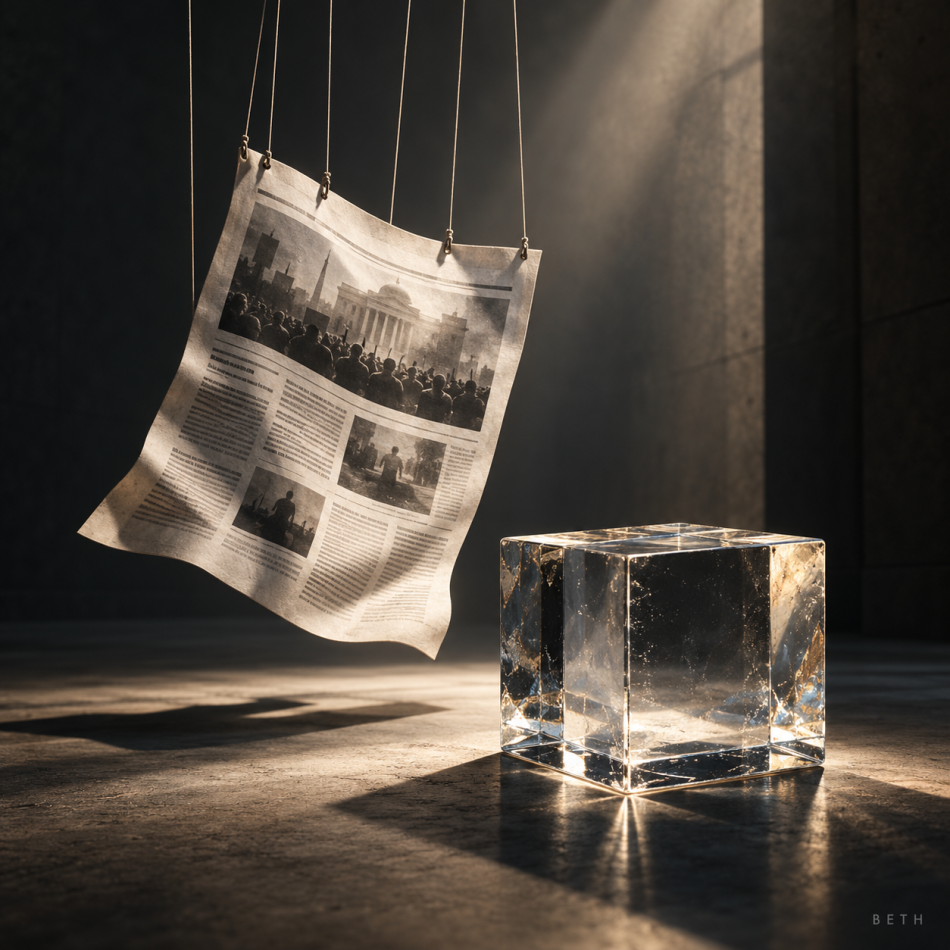
That images of destruction become part of the daily news cycle,
rather than exceptional moments that shake the global conscience.
That humanity shifts from asking:
“How did this happen?”
to asking:
“Where did it happen today?”
This is where the most dangerous stage of war begins:
When war is no longer a shock…
but a habit.
Why Does It Feel Like the World Has Begun to Adapt to War?
Because humanity today lives in an unprecedented state of visual and emotional saturation.
In the past, news of wars arrived late,
limited,
and tied to major exceptional events.
Today, however, the world exists inside a relentless flow of:
images,
videos,
live broadcasts,
analysis,
incitement,
and conflicting narratives.
People no longer merely watch war sometimes.
They live inside it daily through screens.
With repetition, the human mind gradually builds a kind of “psychological immunity” to protect itself from emotional exhaustion.
And here emerges the most dangerous transformation:
Adaptation.
Is This Feeling Historical or Something New?
Humanity has known wars for thousands of years.
But what is new today is not war itself…
It is the “continuous presence” of war inside global daily consciousness.
In older wars, battles ended far away from most people.
Today, war enters:
the phone,
the bedroom,
the dining table,
children’s awareness,
media language,
and financial markets.
The world no longer merely hears about war.
It breathes war through media continuously.
That is why the question is no longer:
“Is there a war?”
But rather:
“How many wars do we watch every day without stopping?”
Why Do News Broadcasts Focus So Much on Wars?
Because war contains every element of media attraction:
fear,
blood,
conflict,
power,
drama,
division,
and surprise.
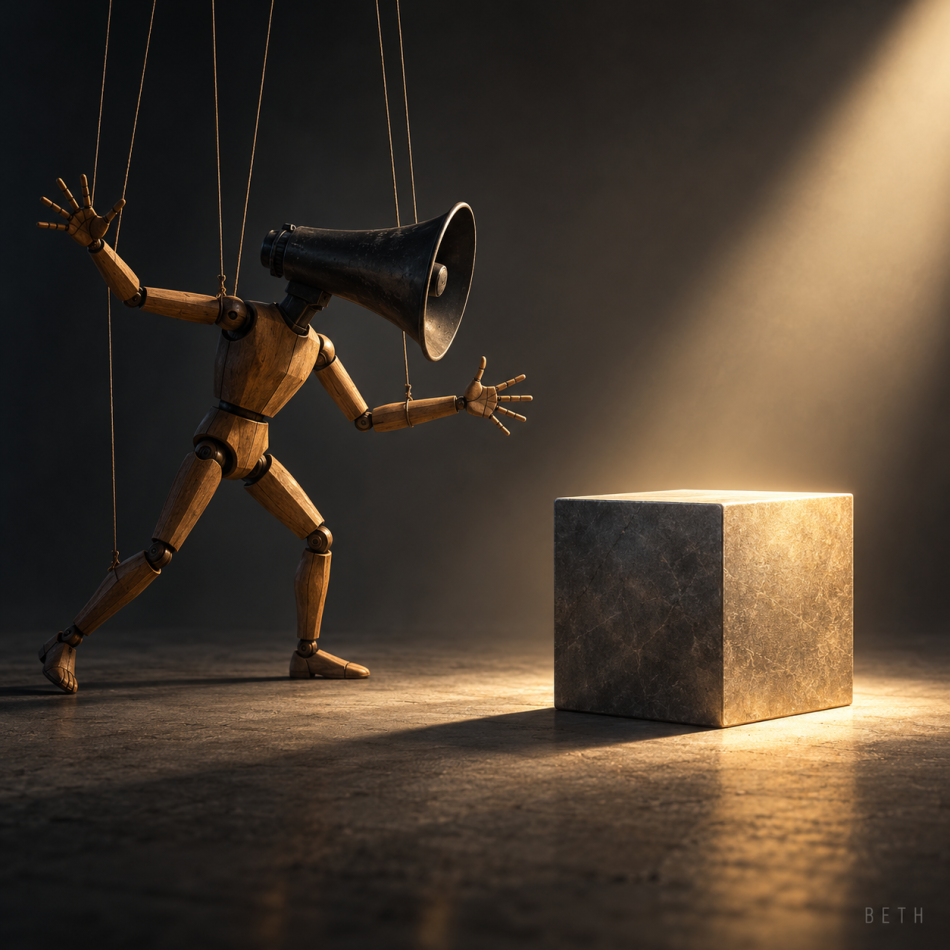
The media understands that human beings are instinctively drawn toward danger,
just as they are drawn toward survival.
That is why war becomes ideal material for high viewership,
engagement,
analysis,
and polarization.
But the problem is not only in “covering war.”
It is often in the way war is presented.
When wars become:
numbers,
maps,
and repetitive imagery,
people gradually lose sensitivity toward the real human pain behind the picture.
And this is where the psychological normalization of war begins.
Is the Media Responsible?
Partially, yes.
But the media is not alone.
Politics,
social media,
economics,
the arms industry,
and global polarization
have all contributed to making war “constantly present.”
Sometimes war becomes:
a political product,
an economic product,
or even indirect entertainment.
And the danger begins when a person transforms from:
a follower of war…
into a daily consumer of it.
How Can This Feeling Be Deconstructed?
First:
By returning human beings to the center of the story.
Wars are not merely maps,
frontlines,
or military statements.
War means:
a mother waiting,
a trembling child,
a city losing its memory,
and a people living with fear for years.
Second:
By restoring media balance.
The world does not only need coverage of war.
It also needs coverage of:
peace,
construction,
solutions,
stories of survival,
coexistence,
reconstruction,
and the people who succeed in preventing wars instead of igniting them.
Third:
By teaching new generations that wars are not permanent heroism,
and that true strength lies not only in the ability to destroy,
but in the ability to prevent collapse.
How Can the Term Be Redirected Toward Peace?
Here lies the most important idea.
Instead of “normalizing war” becoming a description of getting used to bloodshed,
it can become a global alarm bell.
A term that raises a larger question:
If the world has become accustomed to war…
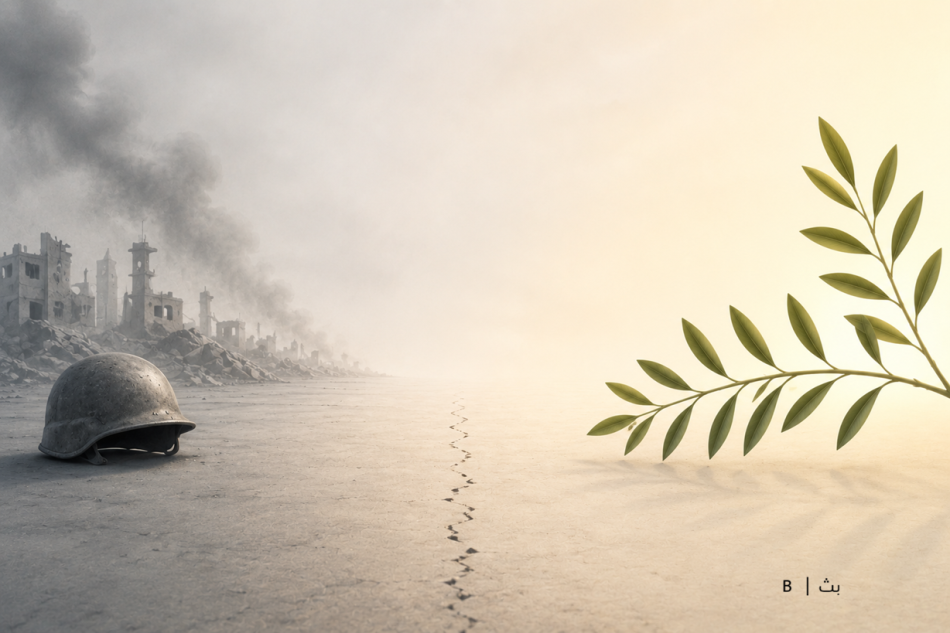
is it time to normalize peace?
Normalizing peace does not mean surrender.
Nor does it mean ignoring disagreements.
Rather, it means making:
dialogue,
understanding,
solutions,
and development
natural and continuous parts of life,
just as wars have become daily realities.
It is also important for perceptions to change — especially those that see every attempt at understanding or rapprochement as a path toward manipulation or the creation of further hostility.
Because awareness, dialogue, and changing policies, attitudes, and ways of thinking may in fact become part of reducing conflicts rather than expanding them.
Conclusion
The most dangerous thing prolonged wars do
is not only the number of victims they produce.
It is their ability to change human consciousness toward pain itself.
When the world becomes accustomed to destruction,
when bombardment becomes ordinary news,
and tragedies become routine media content…
humanity does not merely lose cities.
It loses something deeper:
its ability to be shocked,
to empathize,
and to stop in front of death.
That is why the real challenge in the coming years may not simply be:
How do we stop wars?
But rather:
How do we prevent the world from becoming accustomed to them?
The Role of Media
Those who oppose this path believe their fears are not merely emotional or symbolic.
They are tied to political experiences and complex historical accumulations.
They fear that communication may become:
a cover for expanding influence,
a tool for political or economic exploitation,
a means of dismantling common positions,
or a source of division within the region.
That is why they do not always see “normalization” as a tool for de-escalation.
Sometimes they see it as a form of soft penetration that gradually reshapes balances and positions.
And here the real role of media emerges.
Mature media does not merely incite.
Nor does it dissolve issues inside political courtesy.
It explains the difference between:
peace and surrender,
dialogue and concession,
containment and dissolution.
The problem is not always communication between rivals.
Sometimes the problem lies in how that communication is managed, how its limits are understood, and whether there is a demand to change policies, directions, and ways of thinking — instead of merely managing hostility or passing it from one generation to another.
When every disagreement turns into permanent hatred,
future generations inherit not only conflict…
but fear of any attempt to understand the other side or dismantle hostility itself.
That is why one of the greatest responsibilities of conscious media may be:
not eliminating disagreements,
but preventing them from becoming eternal hostilities.
Final Reflection
Conflicts in our region are not more complex simply because they are bloodier.
They are more complex because they go beyond borders and traditional interests.
This region is not merely political geography.
It is a space filled with:
religion,
history,
symbols,
grand narratives,
and the collective memory of humanity stretching across thousands of years.
That is why conflicts here become more complicated than disputes over land or influence alone.
Even political wars often carry:
religious,
historical,
civilizational,
or symbolic dimensions.
Meanwhile, many other conflicts around the world can often be contained through interests, deals, and cold balances of power.
But here, conflict is not fought only over land…
It is fought over meaning,
identity,
narrative,
and the interpretation of history itself.
This is why people in the region feel their wars are “heavier” than others,
even though the entire world is full of conflict.
From this perspective, the true challenge may not only be stopping wars,
but reshaping awareness toward the other,
demanding changes in policies, attitudes, and ways of thinking,
so that peace becomes a project of strength, stability, and development —
not merely a temporary truce between rounds of conflict.
Conscious media should not inherit hatred.
It should help dismantle hostility,
understand fears,
and prevent disagreements from becoming eternal animosities between peoples and generations.
And thus, “normalizing war” becomes not merely getting used to scenes of bloodshed and destruction,
but something even more dangerous:
becoming accustomed to the continuation of hatred and conflict,
until peace itself begins to look like the exception rather than the natural state.