

Shifting the Media Compass

Written by: Abdullah Al-Omairah
What happened today is not new.
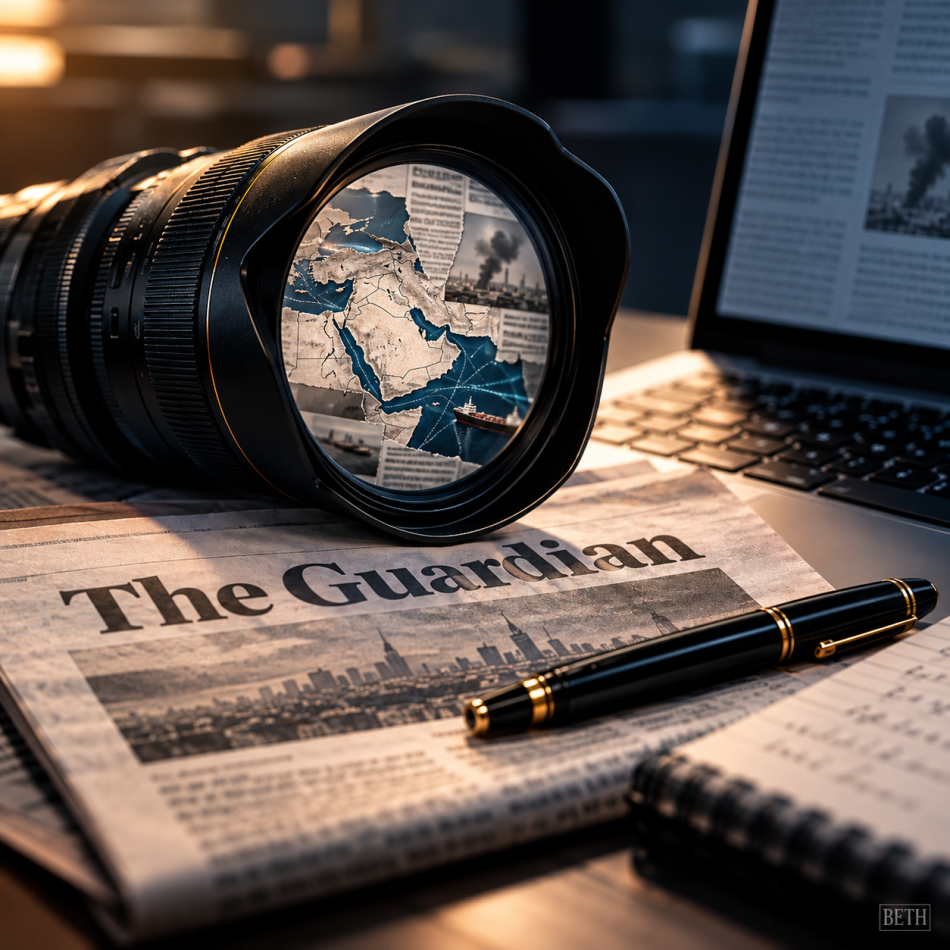
From the Middle East to a dinner event in Washington, and from war to a shooting incident, the scene appeared as if global media suddenly moved from a major front to an emergency one, leaving the larger event in the background.
It does not matter here whether what happened in Washington was a real event, a staged scene, or a passing incident. What matters is that the audience found itself facing dense and repetitive coverage, where the same image, the same narrative, and the same analyses were repeated for long hours—until natural interest turned into boredom.
Today’s audience is no longer what it used to be.
It understands. It compares. It questions. And it searches for what is new.
It no longer accepts being pushed into consuming media “over-processing,” where the same clip is replayed dozens of times, exhausting the event instead of reading it. Repetition does not create awareness; it kills curiosity and turns interest into aversion.
Here, the most important question emerges:
What is happening in the Middle East?
What is happening on the battlefield between Russia and Ukraine?
What is happening in other hotspots around the world?
And more importantly, what is happening globally in terms of gatherings, activities, and initiatives that benefit humanity?
The problem is not in covering the Washington event. That is a professional duty if the event is important.
The problem lies in turning it into the center of the media universe, as if the world has stopped at it.
Professional media does not abandon the larger event for a louder one.
It balances, connects, compares, and returns to the original frame intelligently.
What appeared in the coverage can be described as:
Shifting the media compass
Redirecting coverage
Distracting media attention
Displacing priorities
Creating an alternative front
Rearranging the media agenda
These are not merely linguistic descriptions, but indicators of a deeper flaw in the media industry.
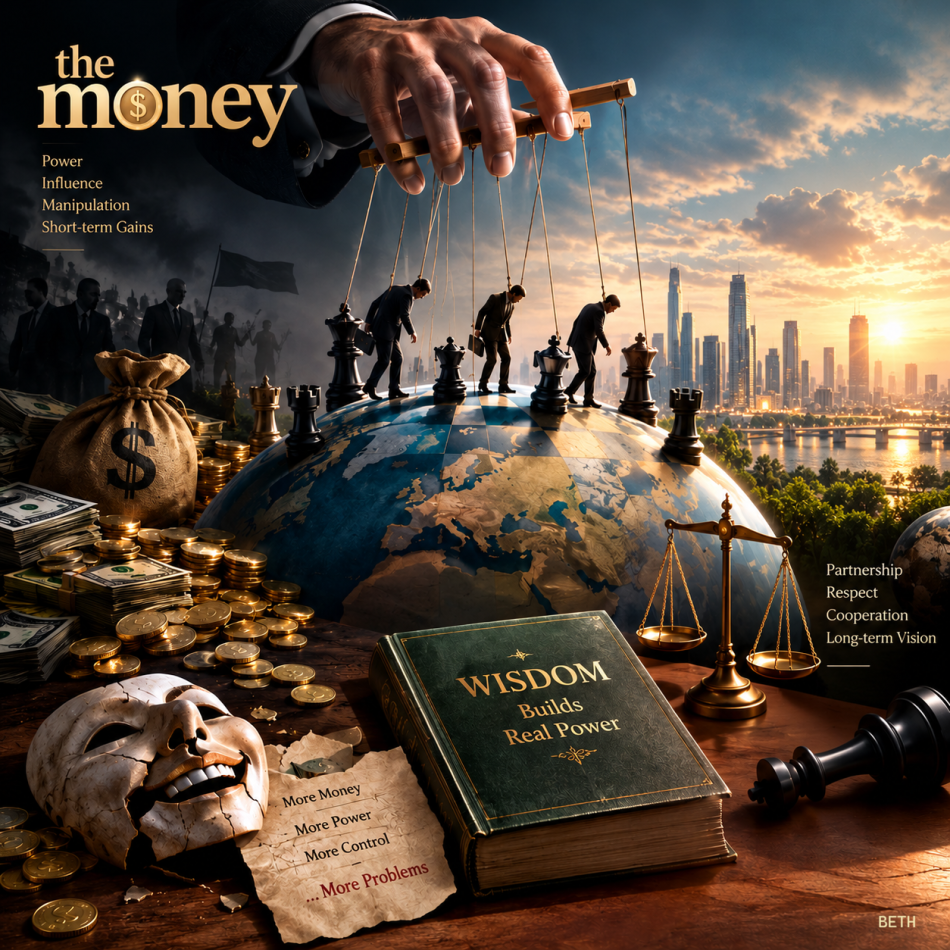
When media fails to produce smart diversity, it resorts to repetition.
When it lacks depth, it lingers on the surface.
And when it has no new angle, it amplifies the only angle available.
Media creativity does not mean ignoring breaking events, but placing them in their proper scale.
To cover the incident—yes.
But to drown the world in it—no.
The difference between ordinary media and deep media is that the former runs after the light, while the latter asks: who moved the light? why did it turn here? and what was left in the shadow?
What happened today reveals that the crisis is not in the abundance of news, but in the poverty of treatment.
It is not in the absence of events, but in the inability of some platforms to read what lies beyond them.
Real media does not repeat the image.
Real media opens angles.
It does not create impact through noise, but through the ability to prioritize and reveal the relationship between the smaller event and the larger one.
Shifting the media compass is not merely moving from one story to another.
It is a deliberate—or sometimes unintentional—shift in audience awareness, from the important question to the easier one.
And here begins the responsibility of serious media:
to return the compass to its place,
not to leave it spinning with every noise.
It appears that those who run media channels today are not decision-makers, but closer to executive secretaries… lacking the ability to create renewed content with intelligence and high professionalism.
_______________
BETH (بث B) – All rights reserved