



Aramco .. From School to the Global Stage
Dhahran | B بث
23 Shawwal 1447 AH | April 21, 2026
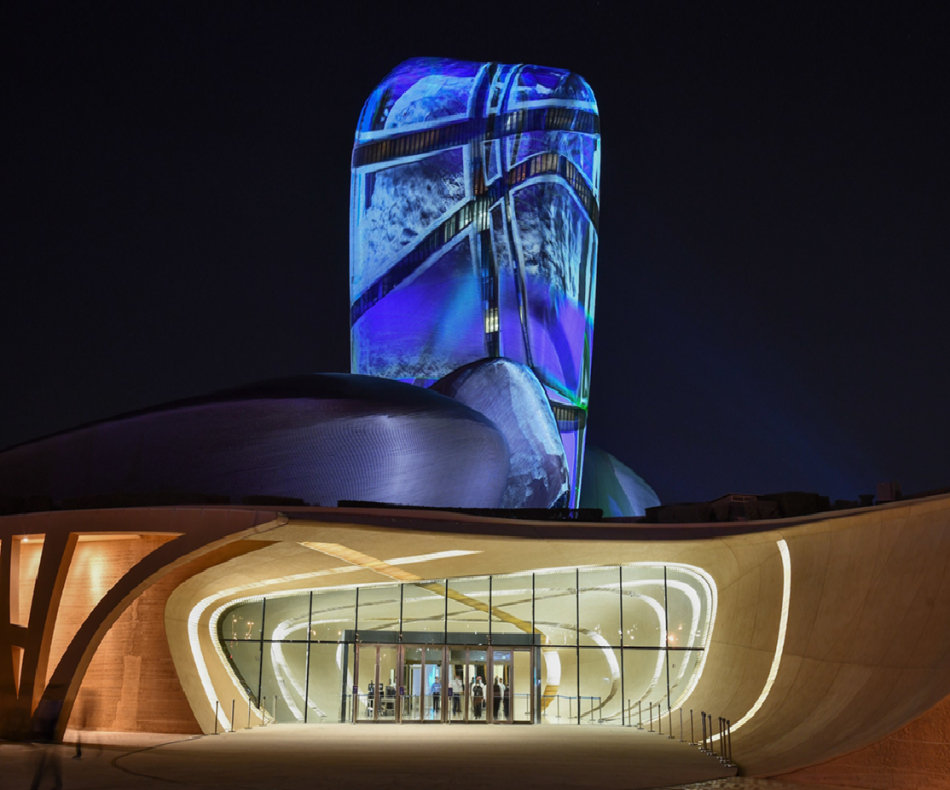
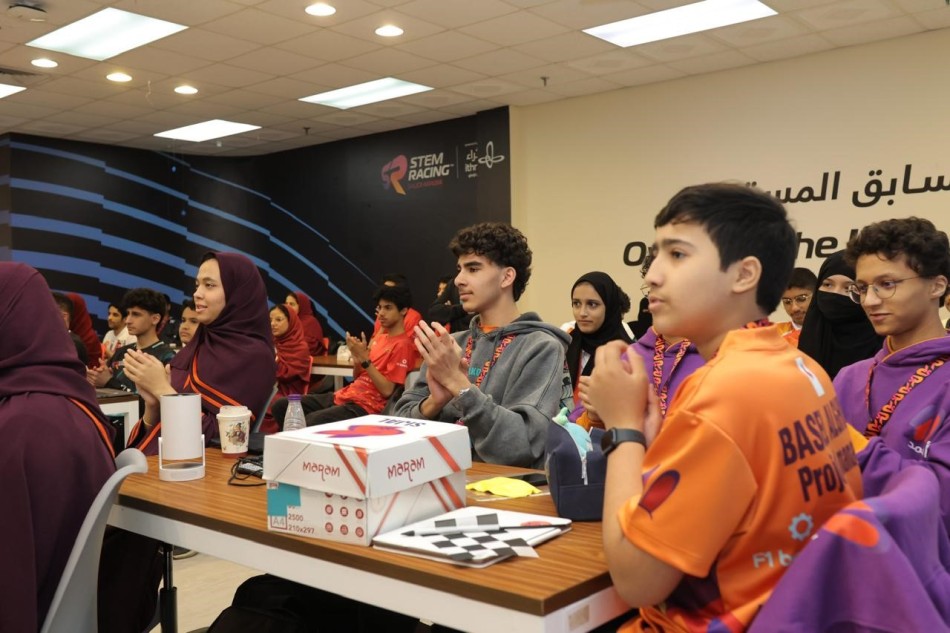
King Abdulaziz Center for World Culture (Ithra), an initiative of Saudi Aramco, concluded the regional competition of the STEM Saudi Race in its fifth edition, with 20 teams qualifying for the national stage—reflecting a growing focus on building a competitive scientific generation.
The competition saw the participation of 47 teams from six regions (Dhahran, Jubail, Al-Ahsa, Riyadh, Madinah, and Jeddah), with more than 280 male and female students representing 50 schools, following a six-month training program supervised by local and international experts.
The training journey covered multiple areas, including:
engineering and design,
teamwork and project management,
presentation and communication skills,
as well as performance testing and applied challenges.
The national competition is scheduled to take place from June 4–6 at Ithra, with the qualified teams representing the top performers from the regional stages.
Program leadership emphasized that reaching its fifth edition reflects a cumulative impact in developing students’ skills in science, technology, and engineering, alongside building capabilities in management, marketing, and modern digital skills.
The program has also demonstrated tangible outcomes, including the qualification of several participants to global scientific platforms, most notably the ISEF International Science and Engineering Fair, the largest science fair in the world.
B بث Analysis
The program should not be read as merely an educational competition..
but as a system of early-stage preparation.
The role played by Saudi Aramco here is not simply support for an educational program..
but an extension of a broader role in social responsibility linked to human development.
Such initiatives reflect an advanced understanding of the private sector’s role in:
developing human capital,
bridging the gap between education and the labor market,
and building a generation capable of competing globally.
What is happening here is a shift of the student from:
a “receiver of knowledge”..
to a “producer of solutions.”
This transformation is the essence of future education.
The challenge is no longer in teaching science..
but in turning it into applicable skills.
Here lies the strength of such programs:
a competitive environment
long-term training
measurable outcomes
Reading
When a school student reaches a global scientific platform..
this does not reflect the success of an individual..
but the success of a model.
A model that sees:
school is not the end of education..
but its true beginning.
The race is not about winning..
but about who starts early.