



U.S. Treasury Urges Gulf States to Scrutinize Iranian Funds
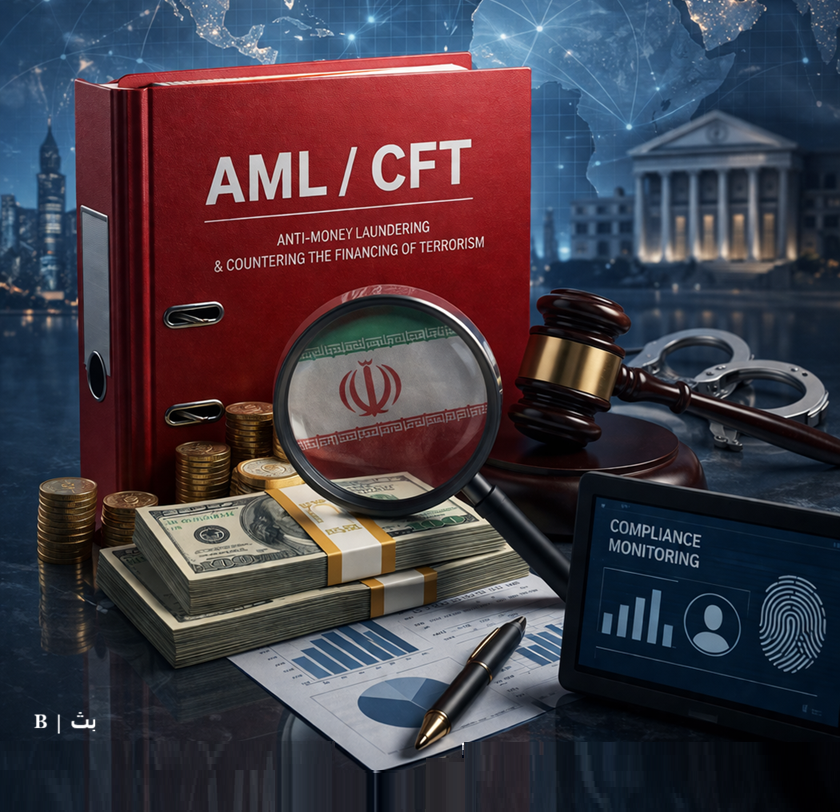
A Step to Tighten the Financial Noose on Tehran
Enhanced International Coordination to Prevent Sanctions Evasion
Complex Trade Networks Under Financial Scrutiny
Riyadh | B
27 Shawwal 1447 AH | 15 April 2026
Introduction
The U.S. Department of the Treasury announced that it has requested Gulf states to scrutinize any Iranian funds held in their banks. This move reflects a new escalation in Washington’s financial pressure policy on Tehran and comes within the broader international effort to close loopholes that could be used to circumvent the economic sanctions imposed on Iran.
This development also indicates growing coordination between the United States and countries in the region to enhance financial transparency, particularly amid expectations of potential new rounds of negotiations concerning Iran’s nuclear program.
Overview
The U.S. request aims to strengthen oversight of commercial activities and financial transfers related to Iran, including bank accounts, intermediary companies, and indirect trade networks that may be used to evade international sanctions. Some Gulf countries serve as major financial and commercial hubs in the region, making them pivotal to international efforts to track suspicious financial flows.
The move is expected to include Arab countries known for their commercial and banking activities with Iran, as part of U.S. efforts to close any potential financial channels that Tehran might exploit. It is likely that this initiative is based on precise financial and intelligence information, given the advanced capabilities of the U.S. Treasury in tracking global financial movements, along with its close cooperation with international financial institutions and banking compliance systems.
This development also comes as Washington seeks to intensify economic pressure on Iran by warning countries and companies against engaging with its oil or financial sectors, thereby strengthening U.S. leverage in any forthcoming political negotiations.
Saudi Arabia’s Financial Oversight
In contrast, financial transfers in the Kingdom of Saudi Arabia are subject to strict supervision by the Saudi Central Bank (SAMA) under the Banking Control Law and anti-money laundering and counter-terrorism financing regulations. Local banks implement the Know Your Customer (KYC) principle, monitoring accounts that conduct large transfers exceeding declared income and requiring proof of the source of funds for significant or unusual transactions.
Key Controls Governing Financial Transfers in the Kingdom
- Know Your Customer (KYC): Banks are required to verify customer identities and monitor the integrity of incoming and outgoing financial transactions.
- Monitoring Large Transactions: Transfers exceeding a customer’s declared income are scrutinized to prevent commercial concealment or money laundering.
- “SARIE” System: Enables instant interbank transfers within the Kingdom, with technical and value-based limits to ensure security.
- Source of Funds Verification: Customers may be required to clarify the origin of their wealth for large or unusual financial operations.
These advanced measures reflect the Kingdom’s commitment to enhancing the transparency of its financial system and ensuring compliance with international standards, thereby protecting the national economy and preventing illicit financial practices.
Is the U.S. Treasury’s Request an Interference in Internal Affairs?
This request is not considered an interference in the internal affairs of sovereign states. Rather, it is understood within the international framework as financial and regulatory coordination aimed at combating money laundering and ensuring compliance with the global sanctions regime. The move is also based on secondary sanctions linked to the dominance of the U.S. dollar in the global financial system, as well as the commitment of Gulf states to the standards of the Financial Action Task Force (FATF) on anti-money laundering and counter-terrorism financing.
Moreover, the existence of legitimate commercial relations with Iran does not imply weak oversight or economic control; instead, it reflects the region’s open commercial environment. These measures are intended to limit the exploitation of certain trade networks to circumvent sanctions.
B Analysis
1. Tightening Financial Pressure on Iran
The U.S. request represents an advanced step to close financial channels that Tehran may use to bypass sanctions, thereby reinforcing the effectiveness of the “maximum pressure” policy.
2. Targeting Trade Networks, Not States
This move does not suggest any sovereign breach of Gulf financial systems; rather, it focuses on private trade networks or intermediary companies that could be exploited to facilitate Iran-related transactions.
3. Potential Intelligence-Based Evidence
The request is likely based on financial indicators or intelligence evidence, reflecting a high level of intelligence and financial coordination between Washington and its international partners.
4. Strengthening the Gulf’s Role in Global Financial Security
This development underscores the position of Gulf states as key partners in safeguarding the international financial system, given their adherence to global anti-money laundering and counter-terrorism financing standards.
5. A Negotiating Pressure Tool
The timing of this move suggests that it serves as a pressure mechanism to enhance Washington’s leverage in any future negotiations with Tehran.
Outcomes
1. Stricter Banking Compliance
Banks in Gulf countries are expected to enhance due diligence and oversight of financial transfers related to Iran.
2. Potential Secondary Sanctions
The United States may impose sanctions on individuals or companies proven to be involved in facilitating financial transactions for Tehran.
3. Reshaping Regional Trade Routes
This development could reduce reliance on certain traditional trade corridors and encourage businesses to seek more transparent channels.
4. Enhanced International Cooperation
Greater coordination between the United States and Gulf states is anticipated in the areas of financial intelligence sharing and economic security.
5. Impact on Negotiations
Tightened financial scrutiny may push Iran toward greater flexibility in negotiations amid increasing economic pressure.
Conclusion
The U.S. Treasury’s request for Gulf states to scrutinize Iranian funds represents a strategic step aimed at tightening financial pressure on Tehran without indicating any weakness in Gulf regulatory systems. Instead, it highlights the importance of regional partnerships in safeguarding the global financial system and strengthens U.S. leverage in the pursuit of a comprehensive political settlement to the Iranian issue.