



Cybersecurity Tops Priorities in the Middle East… Saudi Arabia Strengthens Its Leadership

International Report: Middle East Executives Place Cybersecurity and Artificial Intelligence at the Forefront
Riyadh | BETH
26 Shawwal 1447H | April 14, 2026
Introduction
A recent international report has revealed that cybersecurity is the top priority for executive leaders and boards of directors in the Middle East for 2026. This comes amid growing interest in artificial intelligence, alongside varying levels of confidence in organizations’ ability to manage it. These findings reflect strategic shifts in the regional business environment and align with the efforts led by the Kingdom of Saudi Arabia to enhance its digital readiness and strengthen its position as a regional hub for technology and innovation.
Details
According to the “CEO and Board Confidence Index” issued by Heidrick & Struggles, based on a survey of 148 leaders across the Middle East, 49% of respondents identified cybersecurity risks as the most significant challenge facing their organizations in 2026. This represents the highest percentage among the five regions covered by the study, surpassing the global average of 31%.
The findings also indicate a high level of confidence in the ability to address these risks, with 58% of respondents expressing confidence in their organizations’ readiness to manage cybersecurity threats, compared to 51% globally. This reflects growing institutional awareness of the importance of strengthening digital infrastructure and managing cyber risks.
Regarding artificial intelligence, 47% of respondents considered it one of the most significant issues their organizations will face in 2026, exceeding the global average of 44%. However, confidence in managing AI remains relatively lower, with only 36% expressing confidence in their organizations’ preparedness, compared to 39% globally. This highlights the ongoing need to develop governance frameworks and leadership capabilities to effectively oversee these technologies.
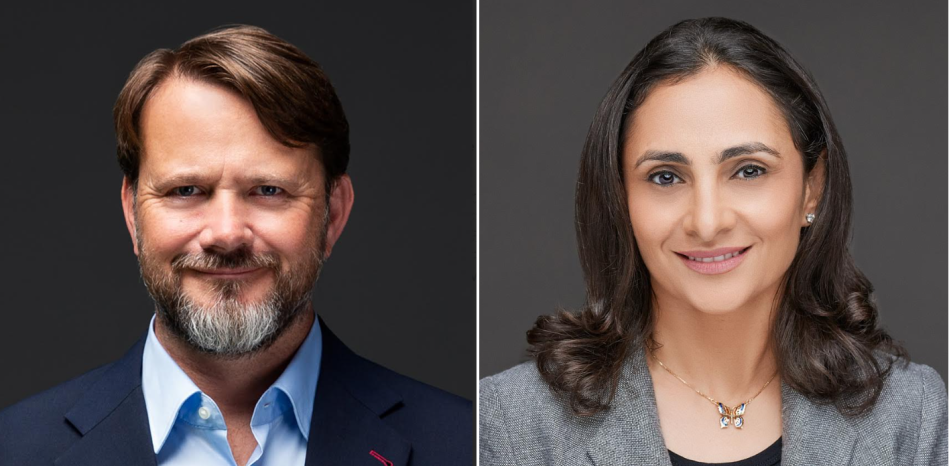
In this context, Maliha Jilani, Partner in Charge for the Middle East and North Africa at Heidrick & Struggles, stated:
“Confidence in cybersecurity in this region is well-founded, but artificial intelligence presents an entirely different challenge. It is evolving at a pace faster than most governance structures were designed to handle, and this disparity is evident. The challenge is further intensified by the complexity of the geopolitical landscape. Boards that are keeping pace with this transformation are adopting new approaches, whether by reshaping their composition to include AI expertise or by establishing specialized advisory structures capable of keeping up with technological advancements. Organizations that take immediate action will gain a greater competitive advantage compared to those that delay their response.”
The report also highlighted broader leadership challenges amid rapid technological change, with only 46% of respondents in the Middle East expressing confidence in their organizations’ ability to maintain a healthy organizational culture—the lowest among the regions surveyed—compared to a global average of 55%.
Dr. Jay Bevington, Global Partner and Head of Board Advisory Services, as well as Leader of the CEO and Board Practice in the Middle East and North Africa at Heidrick & Struggles, added:
“The role of the board of directors in shaping organizational culture is often underestimated. Appointing a capable CEO is an important step; however, the responsibility of boards extends beyond that to the continuous assessment of whether the organization’s culture is keeping pace with rapid changes in the workplace. With increasing external pressures and the accelerating transformations driven by artificial intelligence, the importance of this role is greater than ever. Both CEOs and boards must play an active role in guiding the cultural direction of their organizations.”
BETH Analysis
The report’s findings reflect strategic shifts in institutional priorities across the Middle East and confirm their alignment with the direction led by the Kingdom of Saudi Arabia under Vision 2030. The Kingdom places increasing emphasis on strengthening cybersecurity and advancing artificial intelligence ecosystems.
Saudi initiatives—such as the establishment of the National Cybersecurity Authority (NCA) and the launch of the National Strategy for Data and Artificial Intelligence through the Saudi Data and AI Authority (SDAIA)—have contributed to building a secure and innovation-driven digital environment. These efforts reinforce Saudi Arabia’s position as a regional model in managing digital transformation.
Moreover, the report highlights promising investment opportunities in advanced technology sectors and enhances the attractiveness of the Saudi market to global companies, supported by a sophisticated regulatory environment and advanced digital infrastructure. The growing focus on corporate governance and organizational culture further emphasizes the importance of investing in human capital, thereby supporting sustainable economic growth and strengthening the Kingdom’s global competitiveness.
Conclusion
The prominence of cybersecurity and artificial intelligence among the priorities of Middle Eastern leaders confirms that the region is entering a new phase of digital transformation, where risk management intersects with opportunities for innovation. In this context, Saudi Arabia emerges as a pivotal force driving this transformation, leveraging its strategic vision and continuous investments in building a sustainable digital economy.