



Day 43: Washington–Tehran Negotiations Without Agreement
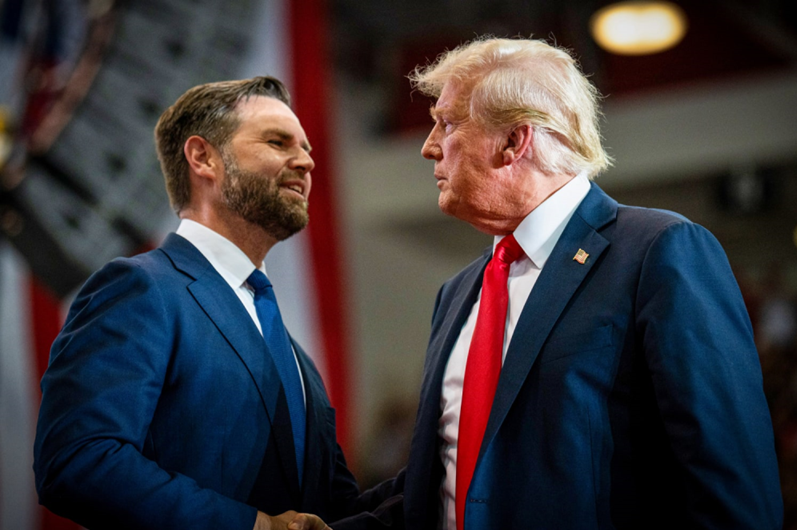
U.S. Vice President Leaves Islamabad After Presenting the “Final Offer”… Ceasefire on the Brink
Continued Backchannel Engagement Reflects a Multi-Level Negotiation Track
Follow-up and Analysis | BETH
Islamabad – April 13, 2026
Introduction
The U.S.–Iranian negotiations in the Pakistani capital, Islamabad, have entered a pivotal phase following the departure of U.S. Vice President J.D. Vance without reaching an agreement, after presenting what he described as the “final and best offer” to the Iranian side. This comes amid a temporary ceasefire announced by Washington, which halted its attacks for two weeks, raising fundamental questions about the future of the ceasefire and whether it could evolve into a sustainable settlement or lead to renewed escalation.
In a notable development, indications suggest that U.S. envoy Steve Witkoff and advisor Jared Kushner remained in Islamabad, reflecting the continuation of diplomatic efforts through backchannels and confirming that the negotiation process did not cease despite the conclusion of the official round.
Presentation
Vance confirmed, in statements to journalists following 21 hours of intensive talks, that the U.S. delegation concluded its negotiating round after presenting the final offer, indicating that the decision now rests with Tehran, stating: “We will see whether the Iranians will accept it.”
In contrast, Iran announced that the talks did not result in an agreement, considering that failing to reach a deal in a single meeting is natural in such complex negotiations, while emphasizing the continuation of diplomatic contacts, signaling its desire to keep the negotiation track open.
In a parallel development, U.S. President Donald Trump posted on his Truth Social platform a message featuring an article outlining his options in the event of the failure of the negotiations, including the imposition of a naval blockade on Iran, described as the “trump card” to pressure the Iranian economy. The article also referred to other potential escalation measures, including launching limited military strikes and intensifying diplomatic pressure on countries importing Iranian oil, such as China and India, by cutting off one of their primary energy sources.
These developments reflect a clear divergence in the positions of the two sides. While Iran seeks to prolong the negotiations and gain time, the United States appears more inclined to bring the negotiating process to a decisive conclusion while maintaining indirect negotiation channels.
Analysis | BETH Insight
Test of Intentions or a U.S. Deception?
What occurred in Islamabad cannot be described as a “U.S. deception” in the literal sense; rather, it can be understood as a calculated negotiating test through which Washington sought to reveal the limits of Iran’s responsiveness. Presenting the “final offer” followed by departure was intended to shift responsibility for the impasse to Tehran and strengthen the U.S. position before the international community.
“In this context, the management of these negotiations contributed to further highlighting the characteristics of the Iranian regime’s behavior before the international community, thereby reinforcing the U.S. position and clarifying the limits of Iran’s responsiveness.”
Iran’s Time-Gaining Strategy
Iranian behavior reflects the continuation of a negotiating approach based on managing time and avoiding rapid resolution, with the aim of easing political and economic pressures while preserving its bargaining leverage. Tehran’s emphasis on the continuation of contacts indicates its desire to keep the diplomatic track open without making substantive concessions.
It is evident that the United States is managing the negotiating battle with precise knowledge of Iranian behavior and with the same level of discipline with which it manages its military power, within an integrated strategic framework led by President Donald Trump and his team in the U.S. administration.
Departure of the U.S. Team and Potential Israeli Escalation
U.S. envoy Steve Witkoff and advisor Jared Kushner, along with the American team, departed Islamabad, signaling the end of the current round of U.S.–Iran negotiations without achieving a tangible breakthrough, following Washington’s presentation of what it described as the “final offer.”
This step reflects a transition of the negotiation track into a phase of reassessment, after the continued presence of some team members had been interpreted as an indication of ongoing backchannel diplomacy. Their collective departure reinforces the perception that the chances of reaching an agreement in the near term have diminished.
In a related development, the Israeli Chief of Staff requested that the army prepare for a possible return to military operations against Iran, with the Israeli Air Force enhancing its operational readiness, indicating rising prospects of escalation should the diplomatic track continue to falter.
These developments point to a transition from a phase of diplomatic testing to one of strategic repositioning, where pressure on Iran is increasing while the possibility of resuming negotiations remains open, making the coming period decisive in determining the path toward either de-escalation or escalation.
Were the Islamabad Talks Merely a “Short Film”?
Some observers believe that what occurred served as diplomatic cover for a broader strategic scene. While this perspective holds some validity, the negotiations represented a genuine stage for testing intentions and strategic repositioning, where diplomacy operates in tandem with military and economic pressure in managing international crises.
The Naval Blockade Option
The threat of imposing a naval blockade on Iran represents a strategic escalation with profound economic and geopolitical implications. Such a move could suffocate the Iranian economy, affect global energy markets, and place countries importing Iranian oil in a complex position.
Future of the Ceasefire
Current indicators suggest that the ceasefire faces a real test, as its continuation depends on Iran’s response to the U.S. offer. Should Tehran reject or delay engagement with the proposal, the likelihood of renewed military operations would increase, rendering the current ceasefire closer to a temporary freeze of escalation than to a sustainable settlement.
Conclusion
Developments on the forty-third day of the conflict reflect a transition from a phase of testing intentions to one of strategic repositioning. While the U.S. Vice President departed Islamabad after presenting the “final offer,” the continued presence of influential American figures indicated that the diplomatic track remained open through backchannels, reflecting a multi-level negotiating approach.
Between Washington’s desire to bring the process to a decisive conclusion and Tehran’s pursuit of prolonging negotiations, the future of the crisis remains open to multiple scenarios, ranging from the possibility of reaching interim understandings to a phase of compounded political, economic, and potentially military pressure, amid a ceasefire that remains fragile and susceptible to disruption.
First Repercussions of the U.S. Delegation’s Departure from Pakistan
Trump Signals Control Over the Strait of Hormuz
U.S. President Donald Trump announced his intention to immediately begin measures aimed at preventing the entry or exit of vessels from the Strait of Hormuz, in addition to initiating operations to destroy naval mines. This step reflects a strategic escalation intended to secure international navigation and increase pressure on Iran.
In posts on his Truth Social account, Trump indicated that the United States would commence operations to secure the strait and remove mines, emphasizing that these measures are part of efforts to protect the global economy and ensure freedom of navigation in one of the world’s most vital energy corridors.
These statements are considered an indication of the potential imposition of maritime restrictions that could escalate to the level of a naval blockade if tensions persist or diplomatic efforts fail, particularly given that the Strait of Hormuz represents a critical artery through which a significant portion of global oil and gas supplies passes.
BETH Insight
Trump’s statements point to a calculated escalation aimed at imposing control over the maritime passage without formally declaring a comprehensive blockade at this stage. Mine-clearing operations represent a preliminary step toward securing navigation, while the threat of restricting maritime movement is being used as a strategic pressure tool against Iran.
This move also conveys a dual message: on one hand, Washington seeks to reassure the international community regarding energy security; on the other, it strengthens its negotiating position by raising the level of threat without immediately sliding into a full-scale military confrontation.
The U.S. maneuver in the Strait of Hormuz represents a notable shift in crisis management, combining military and diplomatic pressure simultaneously. While a comprehensive naval blockade has not been officially announced, current indicators suggest a preparatory phase that could lead to further escalation if diplomatic tracks fail to achieve tangible progress.
U.S. Military Announces Blockade on Iranian Ports
The U.S. military announced its intention to impose a blockade on Iranian ports, effective Monday at 14:00 GMT (5:00 PM Saudi Arabia time). This move represents a significant escalation in regional tensions and signals a qualitative shift in the trajectory of the confrontation between Washington and Tehran.
Overview
The U.S. military stated that the blockade will apply to all vessels entering or leaving Iranian ports and coastal areas, emphasizing that the measure aims to intensify pressure on Iran and limit its logistical and economic capabilities amid ongoing political and military disagreements between the two sides.
In this context, the U.S. Central Command (CENTCOM) confirmed that it will provide mariners on commercial vessels with additional information through an official notice prior to the implementation of navigation control measures, ensuring clarity of instructions and preventing any confusion in maritime traffic.
CENTCOM further stated that its forces will not impede the freedom of navigation for vessels transiting the Strait of Hormuz to and from non-Iranian ports, a message intended to reassure the international community regarding the continuity of global trade and the security of energy supplies.
It also emphasized that control measures will be applied impartially to vessels of all nations entering or leaving Iranian ports and coastal areas, reflecting a comprehensive and neutral approach in the implementation of the decision.
The potential blockade is expected to affect maritime navigation and trade, particularly Iranian oil exports, which could have repercussions on global energy markets and supply chains. The announcement comes amid escalating regional tensions and increasing discussions of military and economic options to pressure Tehran, while the international community awaits possible responses from the Iranian side.
BETH Analysis
The announcement of a blockade on Iranian ports represents a strategic escalation with both military and economic dimensions. A naval blockade is considered a powerful pressure tool that could constrain the Iranian economy by limiting its ability to export oil and import goods, while simultaneously increasing the risk of regional tensions.
Conversely, the United States’ affirmation of continued freedom of navigation in the Strait of Hormuz reflects an attempt to strike a delicate balance between exerting pressure on Iran and reassuring the international community regarding the stability of energy markets and global trade. This step may also prompt international actors to intensify diplomatic efforts to prevent a broader conflict, given its potential implications for maritime security and regional stability.