



Al-Jadaan in Islamabad: Saudi Arabia and Pakistan .. Renewed Cooperation
Islamabad | BETH
10 April 2026
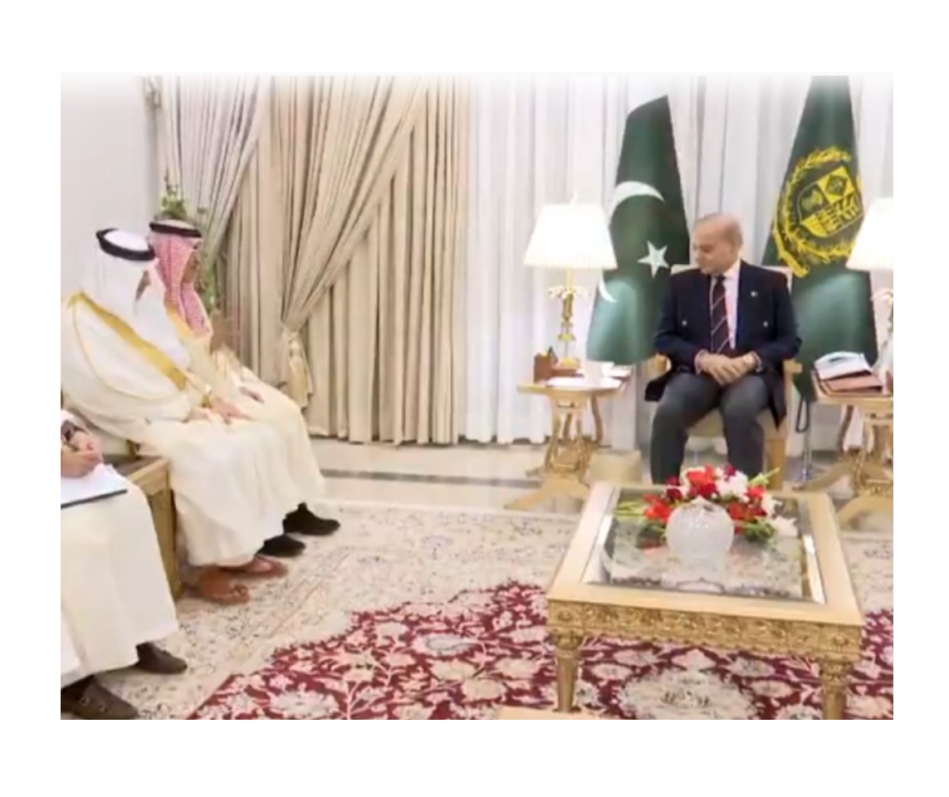
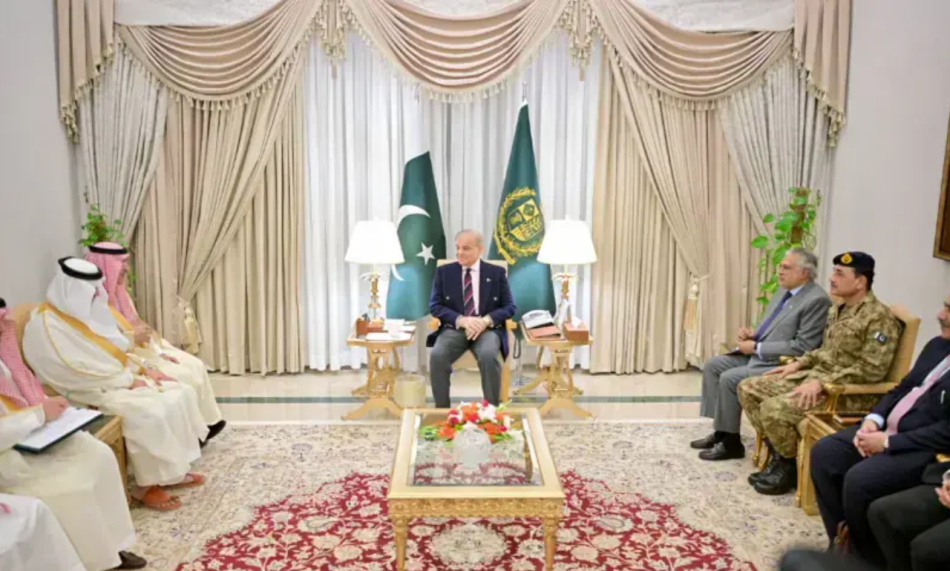
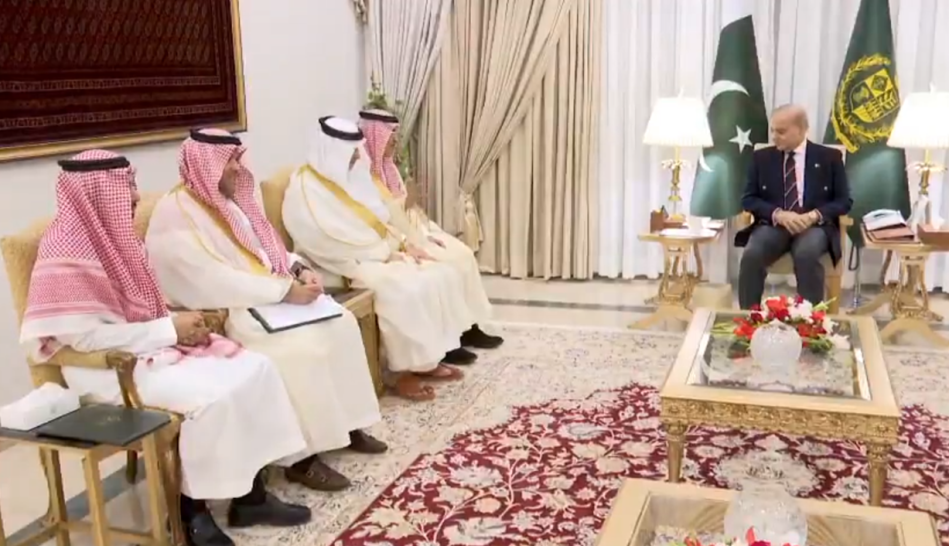
Saudi Minister of Finance Mohammed bin Abdullah Al-Jadaan arrived in the Pakistani capital, Islamabad, on a one-day official visit, where he was received by Pakistani Prime Minister Muhammad Shehbaz Sharif, in a step that reflects the depth of the strategic relations between the two countries and confirms the continuation of joint economic and financial cooperation.
Overview
The meeting was attended by Deputy Prime Minister and Minister of Foreign Affairs Muhammad Ishaq Dar, along with Chief of Army Staff Field Marshal Syed Asim Munir, highlighting the political and economic significance of the visit.
During the reception, the Pakistani Prime Minister conveyed his greetings to the Custodian of the Two Holy Mosques, King Salman bin Abdulaziz Al Saud, and to His Royal Highness Prince Mohammed bin Salman bin Abdulaziz Al Saud, Crown Prince and Prime Minister, referring to the substance of the recent telephone conversation with the Crown Prince and expressing his appreciation for the Kingdom’s longstanding economic and financial support to Pakistan, which has played a vital role in stabilizing the Pakistani economy.
Shehbaz Sharif reaffirmed his country’s commitment to expanding cooperation with the Kingdom across various fields, particularly in trade, investment, and economic development, thereby strengthening the strategic partnership between the two sides.
For his part, the Saudi Minister of Finance expressed his appreciation for the warm reception, reaffirming the Kingdom of Saudi Arabia’s determination—under the directives of the Crown Prince—to enhance the deep-rooted fraternal and historical relations with Pakistan and to support economic cooperation in a manner that serves the mutual interests of both countries.
BETH Analysis
The visit of the Saudi Minister of Finance to Pakistan reflects the continued momentum in bilateral relations and underscores the Kingdom’s direction toward strengthening its economic partnerships with friendly nations, in line with the objectives of Saudi Vision 2030 to expand international cooperation and diversify investments. The high-level attendance at the meeting also highlights Pakistan’s importance as a strategic partner for the Kingdom in the region.
BETH Insight: Implications of the Visit
1. Timing of the Visit
The visit comes amid escalating regional tensions and discussions about potential U.S.–Iran negotiations in Pakistan, indicating political and strategic dimensions that extend beyond the economic aspect.
2. Military Presence
The participation of Chief of Army Staff Field Marshal Syed Asim Munir in the meeting is not merely a ceremonial detail; rather, it reflects the importance of the security and strategic issues discussed, potentially linked to regional stability, energy security, and coordination in light of tensions with Iran.
3. Economic Dimension
The visit reflects the Kingdom’s continued commitment to supporting the stability of the Pakistani economy and enhancing joint investments, in line with Saudi Arabia’s efforts to diversify its international economic partnerships under Vision 2030.
4. Diplomatic Relations
Given Pakistan’s balanced relations with both Saudi Arabia and Iran, the visit can be viewed as part of quiet diplomacy aimed at:
- Exchanging indirect messages.
- Supporting efforts to de-escalate regional tensions.
- Coordinating potential scenarios in the event of stalled diplomatic tracks.
5. Political Messages
The visit carries several implicit messages, most notably:
- Affirming the depth of the Saudi–Pakistani alliance.
- Highlighting Saudi Arabia’s role as an influential regional actor in managing geopolitical balances.
- Enhancing international confidence in the Kingdom’s ability to build multidimensional strategic partnerships.
6. Symbolic Dimension of Relations
Saudi–Pakistani relations extend beyond immediate interests, as they are rooted in historical, religious, and strategic ties, making any high-level visit a reaffirmation of the continuity of this alliance, especially during periods of regional transformation.
Conclusion
The implications of the visit can be summarized across three main levels:
- Economic: Supporting the stability of the Pakistani economy and enhancing investment opportunities.
- Strategic/Security: Coordinating positions amid regional tensions.
- Political/Diplomatic: Sending reassurance messages to allies and strengthening Saudi Arabia’s presence in regional geopolitical balances.