



Anticipation of U.S.–Iran Talks in Pakistan
Analysis | BETH
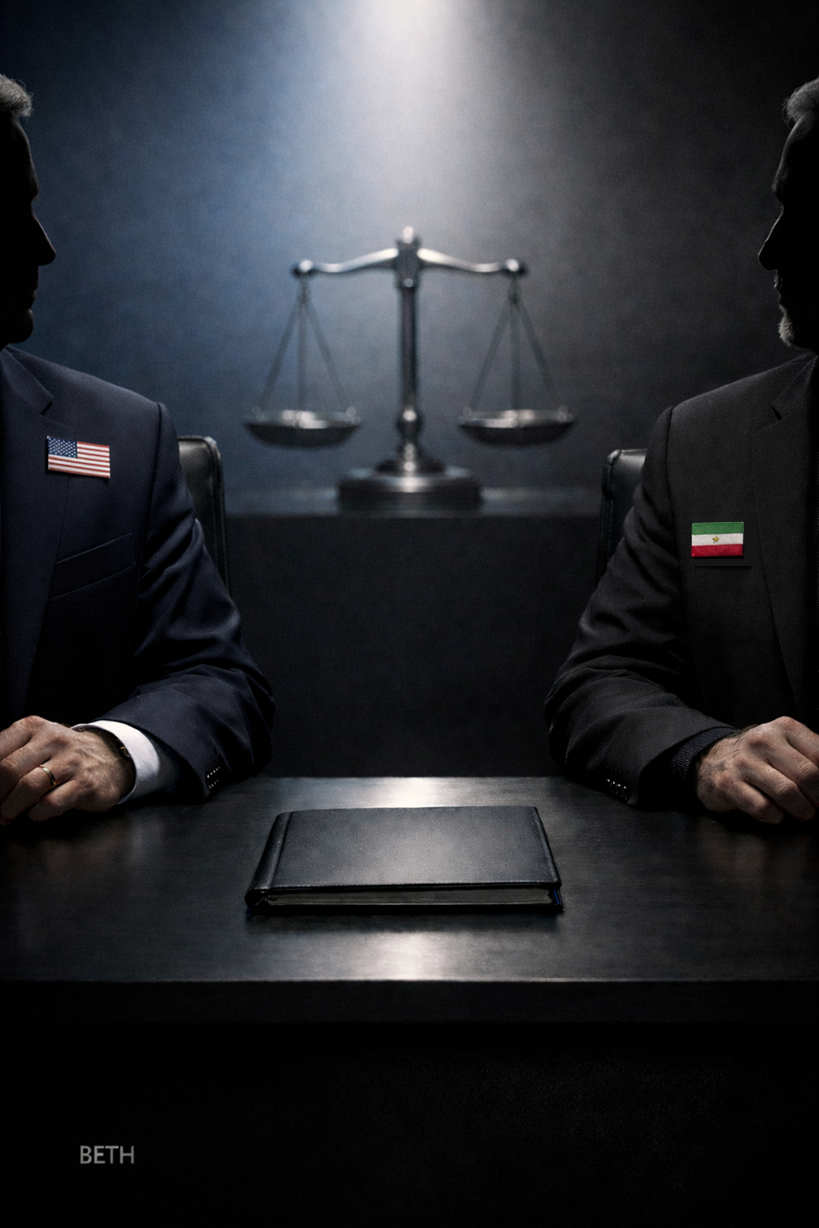
Attention is turning to Pakistan, where anticipated U.S.–Iran talks are expected to represent a pivotal moment in the trajectory of escalation witnessed in the region over recent weeks. The meeting comes within the context of a fragile ceasefire, making it a genuine test of the parties’ readiness to shift from managing the conflict to containing it.
Significance of Choosing Pakistan
Selecting Pakistan as the venue for the talks carries multiple political messages. Islamabad maintains balanced relations with both Washington and Tehran, granting it a suitable position to mediate and ease tensions. This choice also reflects the parties’ desire to conduct dialogue بعيدًا عن الضغوط الإعلامية والسياسية المباشرة التي قد ترافق المفاوضات في عواصم أخرى.
Objectives of the United States
Through these talks, the United States seeks to achieve several strategic objectives, most notably:
- Ensuring that Iran does not develop nuclear weapons.
- Securing freedom of navigation in the Strait of Hormuz.
- Containing regional tensions and limiting military escalation.
- Protecting the stability of global energy markets.
Objectives of Iran
In contrast, Iran enters the negotiations with the aim of:
- Easing the political and economic pressures imposed upon it.
- Consolidating its regional role as an indispensable actor.
- Obtaining security and political guarantees.
- Improving its negotiating position in light of evolving field dynamics.
Negotiations Between Pressure and Diplomacy
These talks reflect a classic model of international crisis management, where military pressure coincides with diplomatic engagement. Negotiation does not necessarily signify the end of the conflict; rather, it may serve as a means to rebalance power dynamics, buy time, or pave the way for a broader settlement should sufficient political will exist on both sides.
Potential Scenarios
Three main scenarios can be envisioned for the outcome of these talks:
- Temporary De-escalation:
Limited understandings that sustain the ceasefire without addressing the root causes of the conflict. - Phased Agreement:
Tangible progress in specific files—such as maritime security or the nuclear program—while negotiations continue on other issues. - Breakdown of Negotiations:
Failure of the talks due to diverging positions, potentially leading to renewed and intensified military escalation.
Regional Implications
The success of these talks could contribute to reducing tensions in the Middle East and enhancing the stability of energy markets. Conversely, their failure may open the door to new rounds of escalation, with significant repercussions for regional security and the global economy.
BETH Reading
The anticipated talks in Pakistan do not signify the end of the conflict; rather, they constitute a test of intentions and an attempt to redraw the rules of engagement. Both parties recognize that continued open confrontation carries significant costs, yet each seeks to negotiate from a position of strength.
Amid the complexities of the regional and international landscape, these talks remain an opportunity to contain escalation, but they do not guarantee lasting peace. The future will depend on the ability of both sides to transform temporary understandings into a sustainable political process.
Between a fragile ceasefire and anticipated negotiations, the region remains on the edge of balance—where success is measured not only by stopping the fire, but by the ability to prevent it from reigniting.