


The Fall of Slogans .. and the Endurance of Constants
Written by: Abdullah Al-UOmairah
Introduction
Not all wars bring down states…
some bring down slogans—and with them, false ideas collapse.
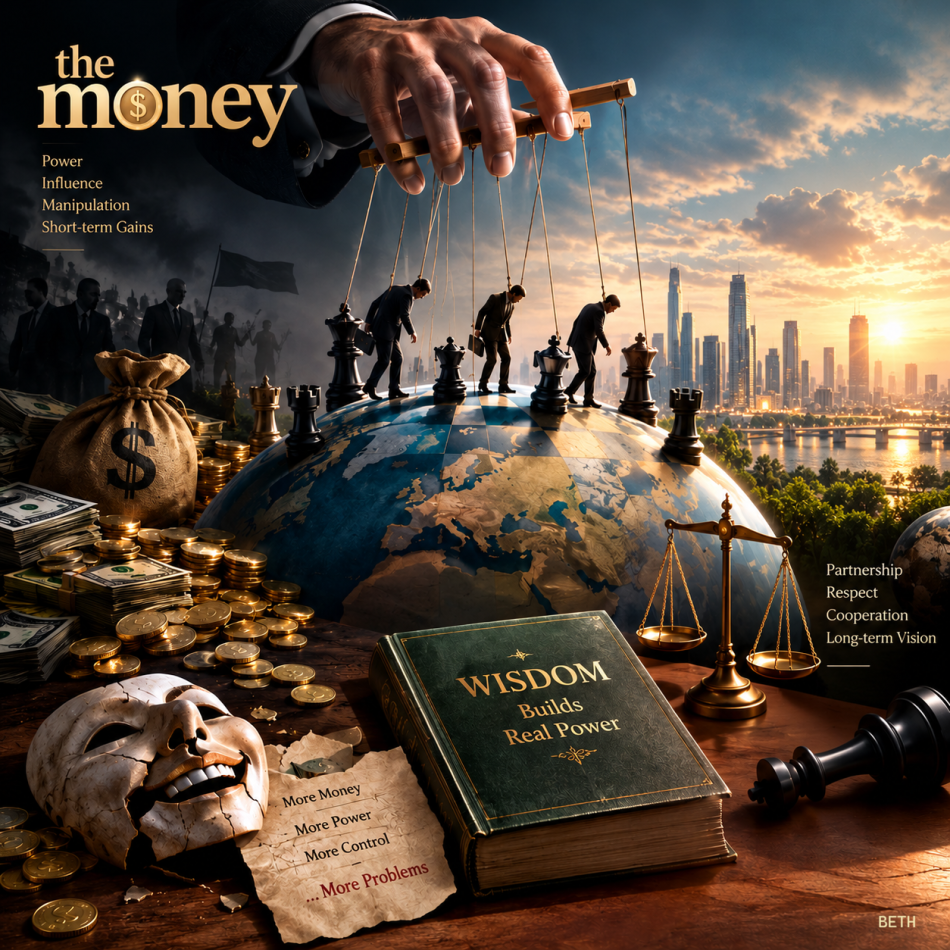
With every missile that strikes the ground, a mask falls with it… along with a slogan that had been repeated for decades without real testing.
The recent war has not only revealed the balance of power…
it has exposed the fragility of a belief and a language upon which minds had grown for a time—like greenery over decay.
What are slogans? And why are they used?
A slogan is not an idea, but a reduction of one.
And often, it is a flawed reduction.
A slogan is used when:
- There is a need to mobilize the masses quickly
- There is a desire to bypass deep thinking
- There is an attempt to unify emotions, not clarify truth
It is repeated in:
- Moments of excitement
- Closed environments
- Systems that need a loud voice to compensate for weak substance
A slogan does not survive in a critical environment…
but in an environment of repetition.
When slogans turn into masks
There are slogans that were not built to explain reality…
but to conceal it.
Arab nationalism… when it slipped from a project of unity into an emotional language that appeals to the feelings of the simple and the uninformed, with neither tools nor a project.
“Death to America”… as a slogan that raises the voice, while reality imposes negotiation.
“From the Nile to the Euphrates”… an expansionist slogan that collides with the complexities of geography and politics—a reality its authors never accounted for.
These slogans did not fall suddenly…
they had been eroding silently, until the war came—and exposed them all at once.
And if those who launched these slogans insist on clinging to them and resisting reality, their stubbornness will yield nothing but exhaustion… and they will become a mockery in the pages of the present and of history.
The impact of slogans on societies
The more dangerous question is not: who raises the slogan?
But: who lives it?
When a people repeat a slogan for decades, then witness its opposite in reality, one of two things happens:
- A shock of awareness
- Or a deeper denial
Long-lived slogans create a gap between:
what is said… and what is seen.
And this gap is one of the most dangerous things that can affect any society.
Iran .. when the slogan collides with reality
Today, with increasing strikes deep inside Iran, a question emerges that cannot be ignored:
How does the Iranian people view a system that chants “Death to America”… while opening channels of negotiation with it?
Or a belief that promotes: “The more destruction increases, the closer relief becomes.”
Was the slogan a tool?
Or has it become a burden?
Do people realize that a loud voice does not equal a strong position?
What about a country that has been devastated, yet no relief emerged from the basement… because the basement itself was destroyed, along with the underground weapons tunnels?
What is the condition of those who believed in this illusion… or that false idea?
Are we facing a transformation?
History says:
whenever slogans fall, an opportunity for awareness appears.
But reality also says:
not every fall produces awareness…
some only produce a new slogan.
Here lies the difference.
True transformation does not begin with the fall of the slogan…
but with asking two questions: how much did this slogan cost us before it fell? and what did it leave behind after its fall?
Constants do not need noise…
because they prove themselves through action.
As for slogans…
the louder they become, the closer they are to collapse.
Slogans are repeated… but truth is tested.
_________
Image caption
This is not a crack in a wall… but in an idea that once appeared solid.
And when it was exposed… nothing stood behind it.