



Day 33: Tehran Under Fire
Analysis & Coverage | BETH
Riyadh | BETH
13 Shawwal 1447H | April 1, 2026
Introduction
The war between Iran on one side, and the United States and Israel on the other, is witnessing an unprecedented escalation on its 33rd day, as strikes move deep into the Iranian capital, Tehran, in a wide and intensive manner.
Coverage
On Wednesday, violent and simultaneous explosions were recorded across multiple areas of Tehran, including the east, west, and central parts of the capital, in what eyewitnesses described as the most intense strikes since the beginning of the confrontation.
The attacks extended to several major cities, including:
- 4 heavy strikes on Ahvaz
- Explosions in Kermanshah, western Iran
- Strikes in Shiraz, in the south
- Explosions in the city of Karaj
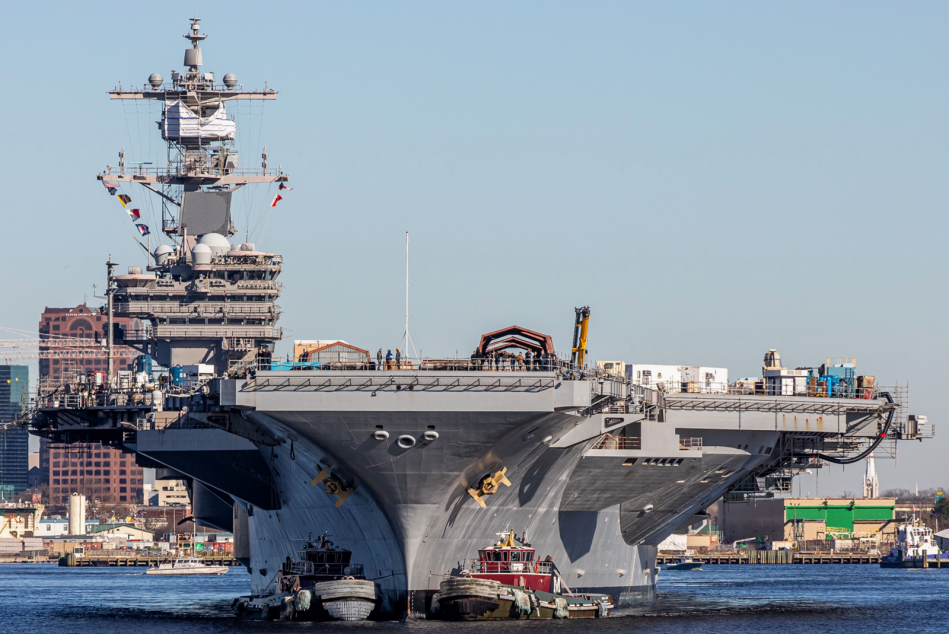
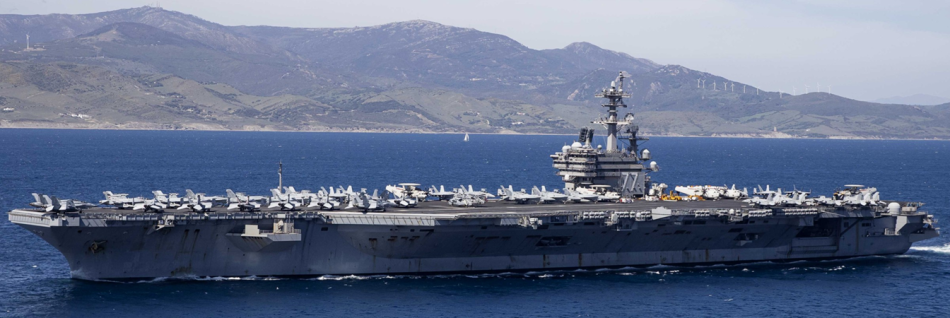
In parallel developments, the United States continues to reinforce its military presence in the region. U.S. officials confirmed the deployment of the aircraft carrier USS George H.W. Bush to the Middle East, accompanied by three destroyers, as part of a carrier strike group of more than 6,000 personnel.
Politically, these developments coincide with statements from U.S. President Donald Trump indicating progress in talks with Iran, while also signaling potential escalation if no agreement is reached soon.
White House Press Secretary Karoline Leavitt also announced that Trump will deliver a national address later today, providing important updates on Iran.
BETH Analysis
What is happening in Tehran today should not be read merely as military escalation… but as a shift in the rules of engagement.
Striking the capital at this scale indicates:
- A transition of the war from the periphery to the core
- An attempt to impose direct psychological and political pressure on the regime
- A redefinition of deterrence within Iran itself
At the same time, a calculated contradiction emerges:
Military escalation on the ground… accompanied by ongoing talks.
This contradiction is not random, but reflects a dual strategy:
Pressure through fire… and negotiation under it.
When capitals are bombed, war ceases to be a message… and becomes a test of survival.
Evening Report
Expanding Fronts… Pressure on Chokepoints
The war, now in its 33rd day, is witnessing synchronized escalation across multiple fronts, with joint missile fire from Iran and Hezbollah, Israeli strikes in the heart of Tehran, and parallel U.S. moves reshaping the military and political pressure landscape in the region.
Iran, in coordination with Hezbollah from Lebanon, launched what was described as the largest missile barrage in three weeks toward Israel, reflecting direct operational alignment between the two fronts.
In response, the Israeli military announced the start of a wide wave of airstrikes targeting dozens of infrastructure sites linked to the Iranian regime in central Tehran, while confirming continued interception operations against incoming threats from multiple directions.
On the political level, Israel’s public broadcaster reported assessments indicating that no agreement is expected between Tehran and Washington, with joint contingency plans prepared for escalation in case negotiations fail.
Militarily, U.S. Central Command (CENTCOM) announced that approximately 3,500 Marines are conducting drills aboard the USS Tripoli, reinforcing the possibility of broader operational options, including a potential ground intervention scenario.
In parallel, Donald Trump escalated his rhetoric toward European allies, threatening to halt arms supplies to Ukraine in order to pressure them into joining what he described as a “coalition of the willing” to reopen the Strait of Hormuz.
BETH Analysis
The situation is no longer a two-sided conflict… but an intersection of tracks:
A northern front (Lebanon) moving in calculated coordination
A central front (Tehran) under direct strikes
And maritime–political pressure centered around the Strait of Hormuz
The Iran–Hezbollah escalation signals an attempt to expand the response,
while strikes inside Tehran reflect Israel’s shift from containment to penetration.
Meanwhile, U.S. movements clearly indicate that the conflict is no longer confined to the region,
but has become a lever within broader dynamics involving Europe and global energy security.
The presence of Marines in advanced training posture does not signal an immediate intervention decision,
but it elevates readiness for a “last-resort option” should the course of the war change.
We are not facing isolated escalation…
but a redistribution of roles across a wider theater