



East–West at Full Capacity
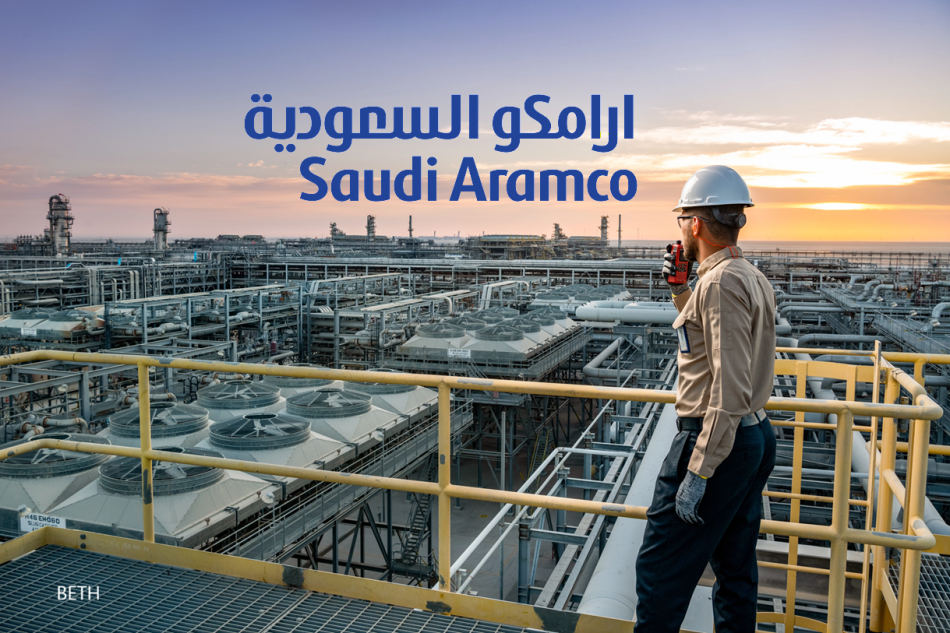
Riyadh | BETH
It was announced that the Saudi East–West pipeline system, which bypasses the Strait of Hormuz, is currently operating at its full capacity of 7 million barrels per day.
This follows the Kingdom’s activation of an emergency plan to increase oil exports through this route toward the Red Sea, amid the effective closure of the Strait of Hormuz due to regional escalation, a passage that had served as the main route for Gulf oil exports.
Oil tankers have rerouted toward Yanbu port, which has become a primary loading hub, providing a vital supply artery for global markets.
Crude exports via Yanbu have reached approximately 5 million barrels per day, in addition to between 700,000 and 900,000 barrels per day of refined petroleum products.
Out of the total volumes transported through the pipeline, around 2 million barrels per day are directed to domestic refineries within the Kingdom.
This route compensates for part of the supply shortfall caused by the closure of the Strait of Hormuz, through which about 15 million barrels per day of crude oil had passed before the outbreak of the conflict.
BETH Analysis
Operating the pipeline at full capacity does not merely reflect logistical readiness,
but confirms the depth of Saudi strategic planning in crisis management.
The rapid shift toward the Red Sea reduces the impact of supply shocks,
and provides global markets with a degree of stability despite the disruption of one of the world’s most critical oil routes.
When routes close,
the value of alternatives emerges.
The East–West pipeline
is not an emergency option,
but a sovereign lever deployed at the right time.