



Mediators Without Keys
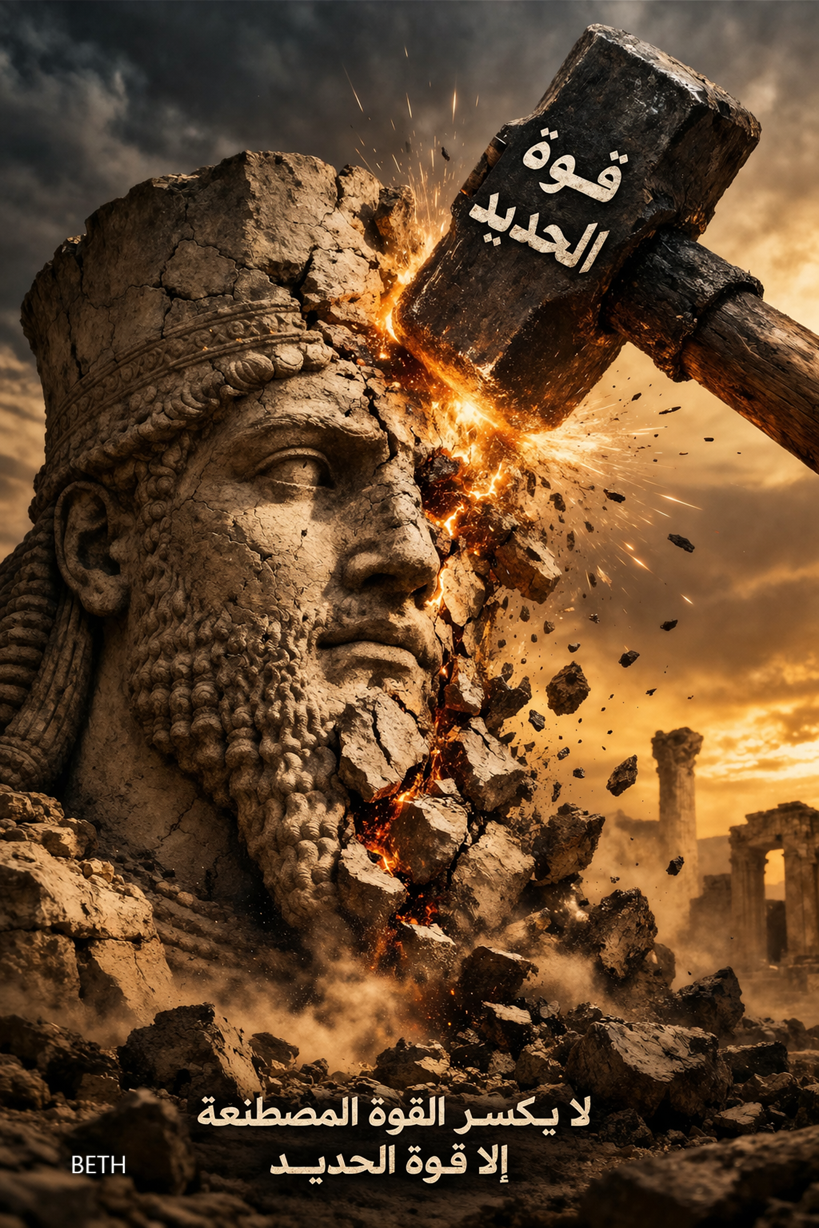
Between a summoned past… and a crisis unresolved
Prepared & Analyzed by | Strategic Media Department – BETH News Agency
Introduction
In every major crisis…
those offering mediation appear.
But the real question is not:
who wants to intervene?
Rather:
who has the ability to end the crisis?
When History Speaks Instead of the Present
The countries that rushed to position themselves as mediators—such as Egypt, Turkey, Pakistan, and Russia—
share a deep characteristic:
an extended civilization… and a complex present
Here lies the paradox:
- A past that grants symbolic confidence
- A present that limits their ability to deliver decisive outcomes
Is Willingness Enough to Create Solutions?
Mediation is not intentions…
but a combination of:
- Real influence
- Acceptance by the parties
- The ability to pressure or guarantee
Without these elements…
mediation becomes a narrative… not a tool
Reading the Players
Egypt and Turkey:
Historical and geographic weight… but their external influence is affected by complex internal dynamics, weakening their ability to impose solutions.
Russia:
A major power… but engaged in an ongoing conflict, limiting its capacity to act as a trusted guarantor.
Pakistan:
A notable balance of relations… and nuclear status that gives it weight, making it closer to an “acceptable” mediator… rather than a “decisive” one.
The Missing Factor: The Mind of the Crisis
To understand the possibility of resolution…
one must understand the mindset of the most rigid party.
Some states with deep civilizational roots…
do not see themselves within the present alone,
but as an امتداد of a historical legacy that must be restored.
Here, decision-making becomes:
- Less driven by conventional calculations
- More tied to symbolism, prestige, and memory
Why Do Mediations Often Fail?
Because they collide with three realities:
- A party that does not seek a “solution”… but recognition of its status
- A party that believes pressure has not yet reached the point of concession
- Mediators who lack the tools to change the equation
Hormuz… When the Passage Becomes a Message
The decision to impose fees on the Strait of Hormuz…
is not purely economic,
but a message that says:
the crisis will not be resolved through conventional terms…
but through redefining who controls the passage.
Conclusion
We are not facing a crisis seeking a mediator…
but a conflict seeking:
a breaking point
Mediation does not succeed…
unless it is preceded or accompanied by
a clear balance of power
Not every country that speaks of solutions…
holds their keys.
After the war is settled… the battle of narratives begins,
where some will seek to claim the outcome for themselves,
and assert a role in “saving” the Gulf states.