



Saudi Oil Without Hormuz .. China’s First Red Sea Shipments
Riyadh | BETH
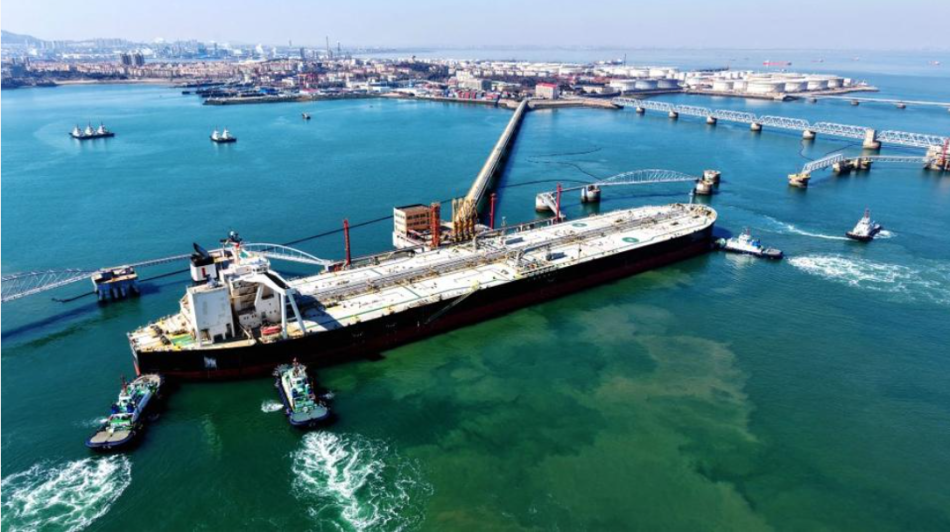
In a notable shift in the global energy map, the Chinese-owned supertanker Kai Jing carried approximately 2.2 million barrels of Saudi crude from Yanbu port on the Red Sea to China, marking the first shipment of its kind to fully bypass the Strait of Hormuz.
According to China’s Caixin Global, this shipment was not merely a logistical choice, but a direct result of regional security developments, following attacks on facilities in Fujairah that prompted a rerouting of supply flows.
A Shift in Energy Routes
This development marks the beginning of a real redraw of oil export routes, as the Strait of Hormuz is no longer the inevitable pathway for Gulf crude to global markets.
Relying on Saudi Red Sea ports, supported by the East–West pipeline, provides Saudi Arabia with a strategic capability to bypass geopolitical chokepoints and ensure uninterrupted supply flows even amid military escalation.
BETH Reading
What happened is not just an oil shipment, but three strategic signals:
Hormuz is no longer the only route
Yanbu is emerging as an alternative global energy hub
Supply chains are entering a phase of restructuring under the pressure of conflict
Conclusion
Oil is not only changing its direction.
It is changing the rules of the game.
At a moment of rising risks, the world appears to be testing a new question:
How does energy continue… when the traditional route is no longer safe?