



Saudi Arabia Keeps Gulf States Airborne
Riyadh | BETH
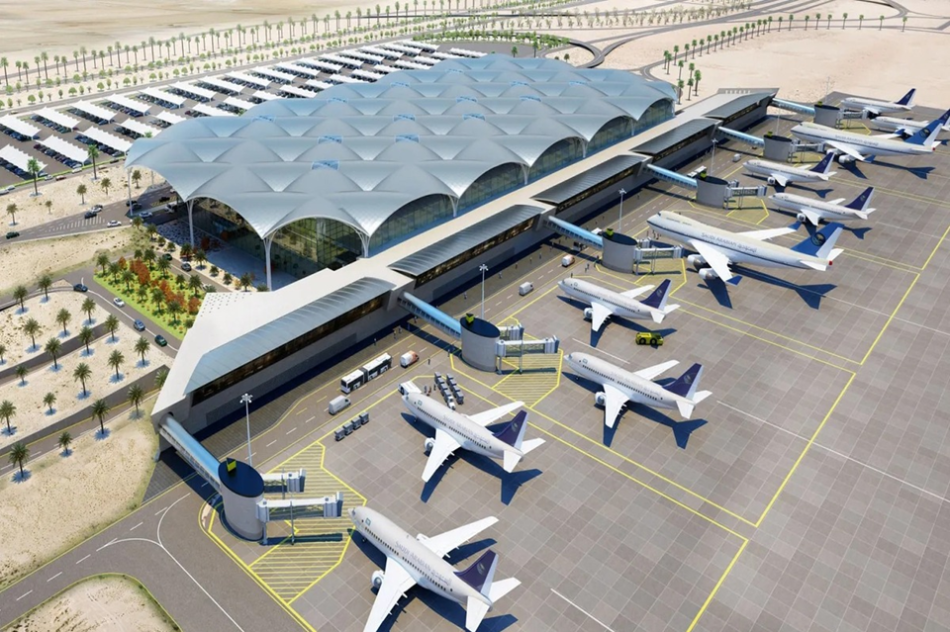
Amid the airspace disruptions witnessed across the region as a result of the ongoing military escalation, airports in the Kingdom of Saudi Arabia have become alternative operational platforms for several Gulf and Iraqi airlines, in a step that reflects the Kingdom’s ability to support the stability of regional air transport during times of crisis.
As operations were disrupted or restricted at some Gulf airports, the Kingdom allowed the use of several of its airports to ensure the continuation of flights, assist stranded passengers, and maintain international flight operations.
These arrangements were distributed across several airports within the Kingdom, including:
Arar Airport to operate flights of Iraqi Airways.
Al-Qaisumah Airport in Hafar Al-Batin hosting operations of Kuwaiti airlines.
King Fahd International Airport in Dammam serving as an operational point for flights from Bahrain and Qatar.
King Khalid International Airport in Riyadh serving as an operational point for several Qatari flights.
AlUla International Airport within operational arrangements for Bahraini flights.
This comes in addition to land transport arrangements, as well as the readiness of the Saudi railway network to support regional transport movement and serve the GCC countries when needed.
Regional Dimension
This step reflects the scale of the Kingdom’s aviation infrastructure and its capacity to absorb additional air traffic under exceptional circumstances, in addition to the role Saudi Arabia plays in supporting the stability of air transport in the Gulf.
It also confirms the Kingdom’s approach in dealing with regional crises by providing practical solutions that help sister countries overcome operational challenges.
BETH Reading
In major crises, the Kingdom’s role is not limited to political positions alone, but is also reflected in its ability to provide practical solutions that maintain the continuity of economic and humanitarian life.
By opening its airports to Gulf and Iraqi carriers, Saudi Arabia has presented an example of how advanced infrastructure can be transformed into a regional support network that ensures the continuation of travel and trade despite exceptional circumstances.