



Saudi Ports on the Red Sea… A Logistics System Linking Asia and Europe
Riyadh | BETH
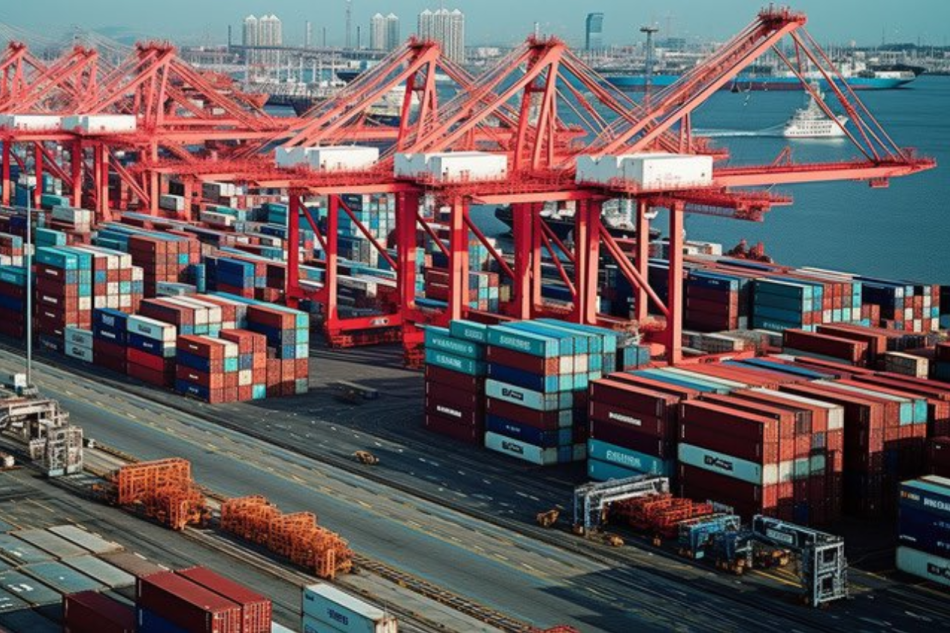
Saudi Arabia’s coastline along the Red Sea extends for more than 1,800 kilometers, and along this stretch lies a group of strategic ports that form an integrated logistics system linking global trade with local markets.
These ports play a pivotal role in trade movement between Asia and Europe through one of the most active maritime corridors in the world.
Main Ports on the Red Sea
Jeddah Islamic Port: The largest commercial port in Saudi Arabia and a major gateway for imports.
King Abdullah Port: A modern, rapidly growing port designed to become a global logistics hub.
King Fahd Industrial Port in Yanbu: One of the largest oil and petrochemical export ports in the region.
Jazan Port: A strategic port serving southern Saudi Arabia and the industrial zone in Jazan.
NEOM Port: A modern port serving the industrial and economic projects in northwestern Saudi Arabia.
Geographic Advantages
Located directly on one of the most important maritime trade routes between Asia and Europe.
Close proximity to the Suez Canal, through which a large share of global trade passes.
Distributed along the western coastline, creating an integrated network of ports instead of reliance on a single port.
Logistics Infrastructure
Deep berths capable of receiving the largest container ships and energy tankers.
Modern container terminals and advanced cargo-handling equipment.
Logistics and industrial zones directly connected to the ports.
Land connections through highways linking the ports to the Kingdom’s major cities.
Operational Capacity
The ability to handle millions of containers annually across several ports.
Reception of thousands of commercial vessels each year.
Diverse cargo types including containers, general cargo, industrial products, and petroleum products.
Strategic Dimension
The distribution of ports along the coastline gives the Kingdom high operational flexibility.
The presence of several major ports reduces reliance on a single location during crises.
Supports national supply chains and secures the flow of goods and energy.
Energy Security and Emergency Options
Oil fields in eastern Saudi Arabia are connected to the Red Sea coast through the East–West Pipeline, which transports oil from the Eastern Province to King Fahd Industrial Port in Yanbu.
This infrastructure provides the Kingdom with an alternative route for exporting oil through the Red Sea, ensuring the continuity of global energy supplies even in the event of disruptions in the Arabian Gulf or the Strait of Hormuz.
Supporting Supply Security in the Gulf
Saudi ports on the Red Sea also represent a strategic depth for Gulf countries, providing an alternative outlet for trade and energy outside the Arabian Gulf during periods of tension or maritime crises.
This geographic extension gives the region an additional safety network to maintain the flow of trade and vital supplies even under exceptional circumstances.