



The War Economy Returns
The World Enters a New Arms Race
Monitoring & Analysis | Strategic Media Department – BETH
Riyadh | BETH
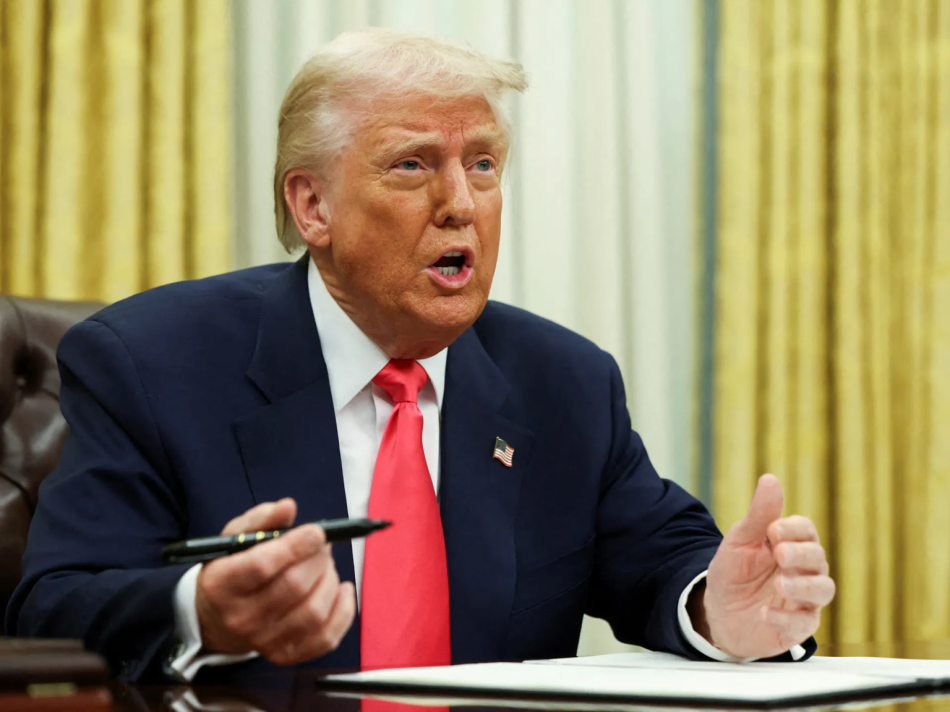
In a notable indication of accelerating shifts in the global strategic landscape, U.S. President Donald Trump announced that American defense companies have agreed to increase weapons production fourfold, in a move that reflects a major shift in military manufacturing policies and national security preparations.
This announcement comes at a time when the world is witnessing a series of simultaneous military crises, ranging from the war in Ukraine to escalating tensions in the Middle East, in addition to the growing strategic competition between the United States and China.
Observers believe that this decision indicates that the defense industry is no longer merely an industrial sector linked to wartime demand, but has become a central element in the equation of global economics, politics, and security.
A New Arms Race?
The significant increase in weapons production raises questions about the nature of the next phase in the international system.
On one hand, some analysts believe that expanding military production on such a scale reflects preparations for conflicts that could be longer and more complex, amid rising tensions among major powers.
On the other hand, others argue that the move may be part of rebuilding military stockpiles after years of depletion associated with ongoing wars, in addition to strengthening the United States’ ability to support its allies in different regions of the world.
In both cases, the practical outcome remains the same:
the return of the defense industry to the center of the global economic and strategic landscape.
The War Economy
Historical experience suggests that major wars often reshape national economies, as defense industries transform into one of the main drivers of industrial and technological growth.
At present, signs of what resembles a war economy are re-emerging, with increased defense spending in several major countries and rising demand for air defense systems, missiles, and advanced munitions.
Competition in military technologies—such as artificial intelligence, drones, and cyber systems—has also become part of the strategic race among global powers.
BETH Reading
The announcement of increasing weapons production does not necessarily mean that a new global war is imminent, but it clearly indicates that the world is entering a different phase in the management of conflicts.
Rather than short and decisive wars, major powers appear to be preparing for an international environment characterized by long-term confrontations, in which military, economic, and technological dimensions are deeply intertwined.
In this context, expanding military production becomes not merely preparation for war, but part of a broader strategy to manage international balances in a world moving toward greater competition among major powers.
As the contours of this transformation continue to emerge, the question remains open:
Is the world truly witnessing the return of a war economy…
or is what we see merely a recalibration of deterrence rules in a turbulent international system?