



New Dammam .. A SAR 98 Billion Coastal City
Dammam | BETH
Report & Strategic Analysis
News Lead
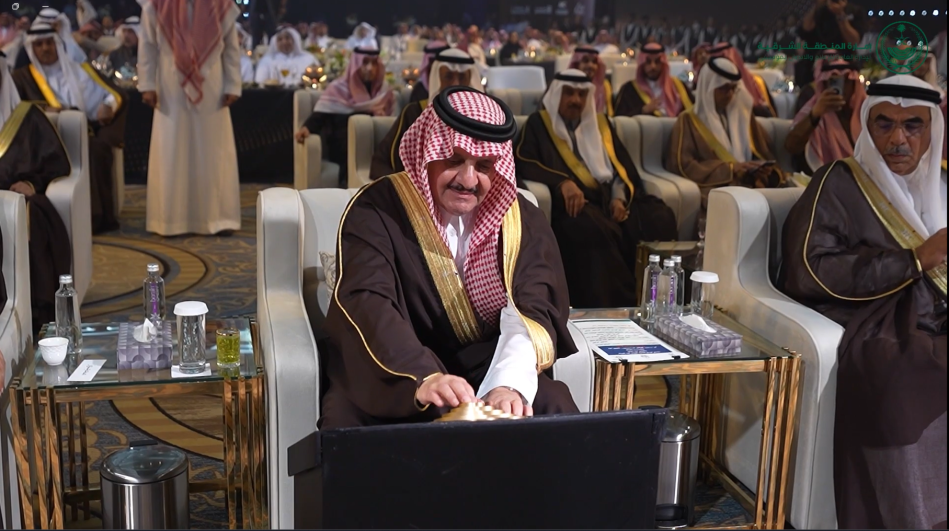
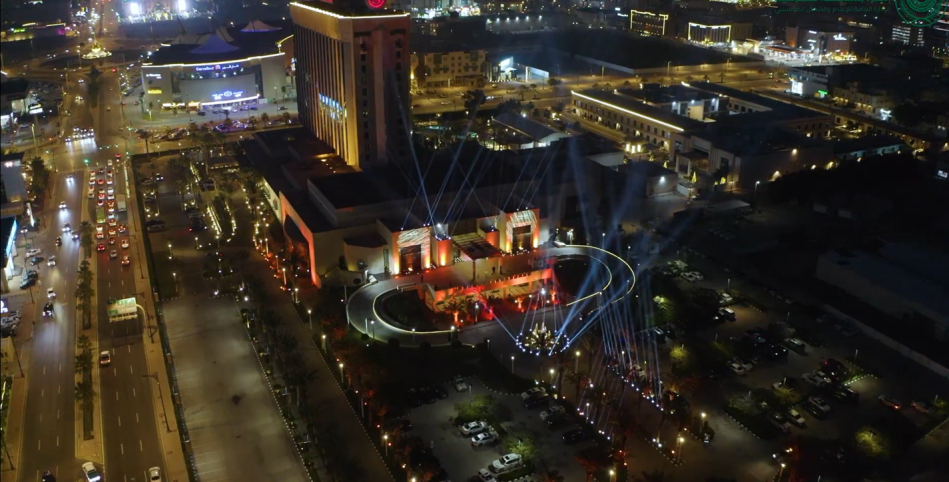
Saudi journalist Mohammed Al-Sufyan described “New Dammam” as a city rising on the Gulf’s shoreline, opening a new urban chapter in Saudi Arabia’s Eastern Province, following the inauguration of the project by HRH Prince Saud bin Naif, Governor of the Eastern Province. The launch goes beyond a conventional urban announcement, marking the foundation of a globally-styled smart coastal city.
The Landscape
New Dammam is a large-scale urban development spanning more than 32 million square meters, with total investments exceeding SAR 98 billion. The project aims to deliver a fully integrated coastal city: advanced housing, a vibrant waterfront, green public spaces, smart infrastructure, and high-efficiency urban services.
The underlying message of the project is clear:
Cities in Saudi Arabia are no longer residential expansions — they are platforms for economy, lifestyle, and investment.

What Does This Mean for Investors?
New Dammam is not an “urban extension,” but a strategic repositioning of Saudi Arabia’s Eastern Province on the regional and global investment map. Its economic impact unfolds across four core investment layers:
1) Real Estate Economy: From Sales to Sustainable Platforms
Projects of this scale do not merely deliver housing units; they create:
A comprehensive development ecosystem (developers, contractors, building materials, operations).
Long-term revenue assets (facility management, maintenance, smart-city services).
New financial instruments and partnerships (real estate funds, PPPs, asset-management models).
Bottom line: The value lies not in square meters sold, but in recurring urban returns.
2) Waterfront Economy: Converting the Coastline into Economic Value
The waterfront dimension functions as a strategic investment driver:
Enhancing residential, hospitality, and leisure appeal.
Creating a place-branding asset marketable at the regional and global level.
Expanding local tourism spending and regional visitor flows.
Bottom line: The Gulf shoreline is not a backdrop — it is an economic engine.
3) Smart Infrastructure: The Operating Economy
Positioning New Dammam as a “smart city” unlocks major long-term operating markets:
Energy, water, and demand-management systems.
Urban mobility, security, and safety platforms.
Data-driven city management, digital governance, and service platforms.
Bottom line: After construction comes the real economy — the operating economy.
4) Logistics Advantage: King Fahd International Airport as a Growth Lever
The proximity to King Fahd International Airport adds strategic depth:
Enhances business mobility and investor accessibility.
Supports corporate headquarters, talent inflow, and service industries.
Strengthens New Dammam’s potential as a regional business and lifestyle hub.
Bottom line: The airport is not an adjacent facility — it is a value multiplier.
How Will Global Markets Read This?
Macroeconomic signal: A SAR 98 billion project reflects long-term confidence in the Eastern Province’s growth trajectory.
Real estate positioning: 32 million sqm represents a sustained development pipeline, not a short-term real estate cycle.
Urban & tourism narrative: A smart coastal city model places Eastern Saudi Arabia on the map of globally comparable waterfront cities — contingent on execution quality.
BETH Indicators
Scale of Transformation: Very High
Investment Impact: High (Real Estate, Operations, Tech, Hospitality)
Job Creation Potential: High
Place Branding Potential: High, conditional on waterfront and smart-city execution
BETH Perspective
The true benchmark of New Dammam’s success will not be the magnitude of capital deployed, but a single question:
Will the city evolve into a self-sustaining urban economy, or remain a visually impressive development?
The distinction is critical:
Urban development is sold once.
A city generates value every day.
BETH Closing
New Dammam is positioned as a generational city — designed to elevate quality of life, unlock investment opportunities, and project a modern Saudi coastal identity. At launch, the strategic signal is unambiguous:
Saudi Arabia is not merely redrawing its urban map — it is redefining what a city means in the 21st century.