



Odesa Without Power
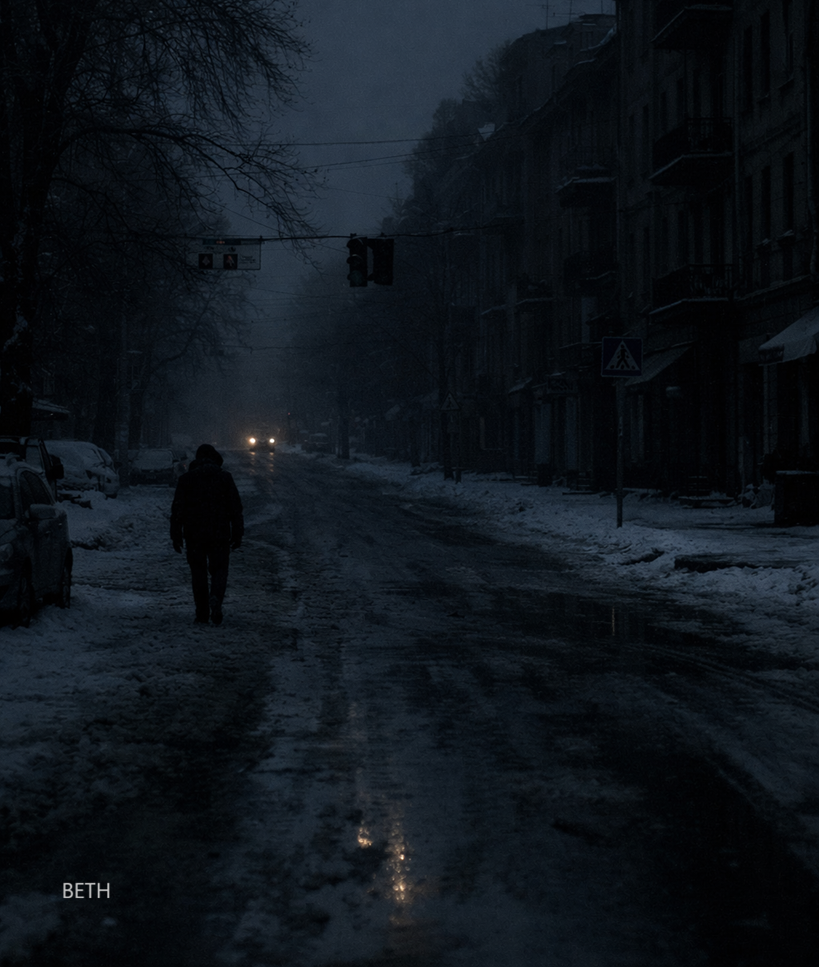
When Energy Becomes a Weapon
Odesa | BETH – 12 Feb 2026
A strategic reading of attacks on critical infrastructure
The Scene
The Ukrainian city of Odesa has suffered a widespread power and water outage following drone strikes targeting energy infrastructure. The impact was not primarily military, but humanitarian and livelihood-related: a key port city being tested for resilience at the height of winter.
What Happened?
A strike on a critical energy node disrupted essential services, including electricity, water, and heating, placing immediate daily pressure on residents and testing local authorities’ ability to rapidly restore vital networks.
Is This a New Strategy?
Targeting energy and critical infrastructure is not new in modern warfare; it has historically been used to undermine production capacity and morale. What is new today is the precision of tools, the pace of operations, and the psychological timing—a shift from “degrading combat capability” to draining daily life by striking power, water, and heat.
A Recurrent Tactic or a Deliberate Strategy?
This is not an isolated strike, but part of a long-breath war of attrition, effectively described as:
Infrastructure Warfare + Morale Warfare.
The aim is not swift military victory, but the gradual exhaustion of society, the generation of internal pressure on political decision-making, and the conversion of everyday life into a persistent psychological burden.
How Will It Be Read Globally?
In Europe: The return of “infrastructure warfare” to the forefront of public concern, with humanitarian repercussions and domestic political pressure.
In the West: A reminder that the conflict has not shifted into a low-cost, managed confrontation; it remains capable of reshaping public sentiment through images of disrupted daily life.
Economically and in insurance markets: Any disruption to energy systems or ports raises risk premiums across supply chains, even before price impacts materialize.
Do Such Strategies End Wars?
Historically, strikes on critical infrastructure rarely produce surrender that ends wars. More often, they change the form of conflict rather than conclude it:
They may generate social rallying around leadership rather than fragmentation.
They contribute to the moral internationalization of the conflict by mobilizing sympathy and external support.
They tend to prolong confrontation by deepening psychological costs and accumulating political grievances.
Such strategies succeed only under rare, exceptional conditions (a society without external support, divided leadership, and suffocating economic pressure without alternatives)—conditions that are difficult to replicate in major conflicts today.
What Does This Mean for the Future?
Morale warfare: Power and water have become tools of psychological and social pressure, not merely tactical targets.
Winter as a weapon: Climate amplifies the impact of strikes, turning service disruptions into crises of public opinion.
Odesa as a symbol: A port city represents sovereignty, logistics, and national image; targeting it sends a message beyond geography.
BETH Indicators (Quick Read)
Escalation: High (civilian access to essential services targeted).
Global impact: Medium–High (humanitarian, political, market-related).
Narrative power: Very high (the image of a city in darkness outweighs any political statement).
What to Watch in the Next 48 Hours
The frequency of repeated strikes on critical nodes.
The speed of service restoration as a measure of infrastructure resilience.
Whether international reactions shift from statements to tangible measures in energy support and civil protection.
BETH Closing
When the lights go out, wars do not end—they change their language.
Energy today is no longer merely a resource; it has become an unspoken bargaining tool in battles of will and endurance.