



Major Investments in Saudi Arabia… Global Companies Choose the Kingdom
Investments Surpass SAR 6 Trillion as 700 Global Firms Set Up in Saudi Arabia… Targeting SAR 12 Trillion by 2030
Private Sector Drives Transformation… PIF Reshapes the Economy
Riyadh | BETH – February 9, 2026
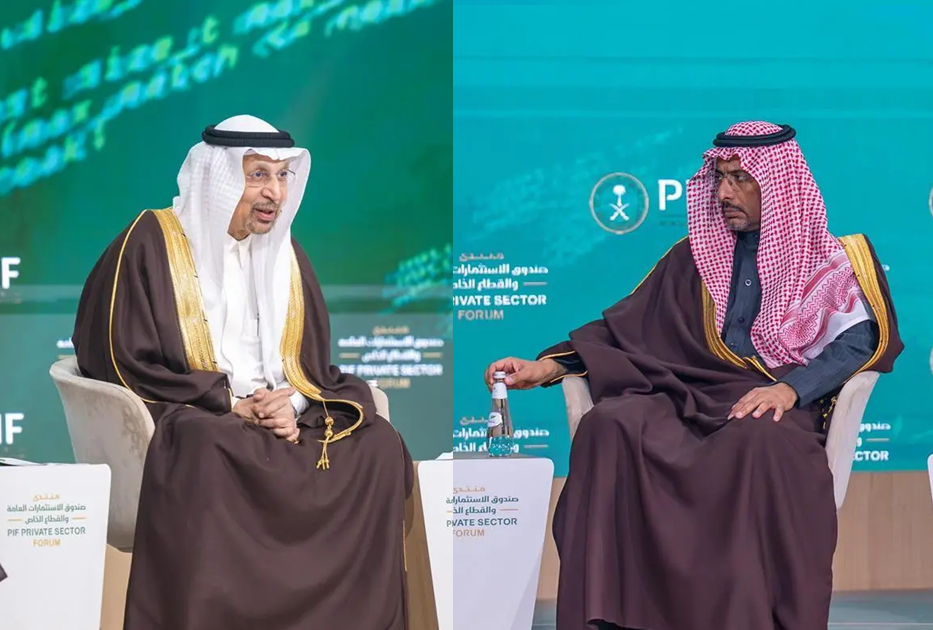
Saudi Minister of Investment Khalid Al-Falih said the private sector is the main engine of the Kingdom’s economy and a key partner in its economic transformation, noting that the restructuring of the Public Investment Fund (PIF) marked a qualitative turning point in shifting Saudi Arabia from an oil-dependent rentier economy to a diversified and sustainable one.
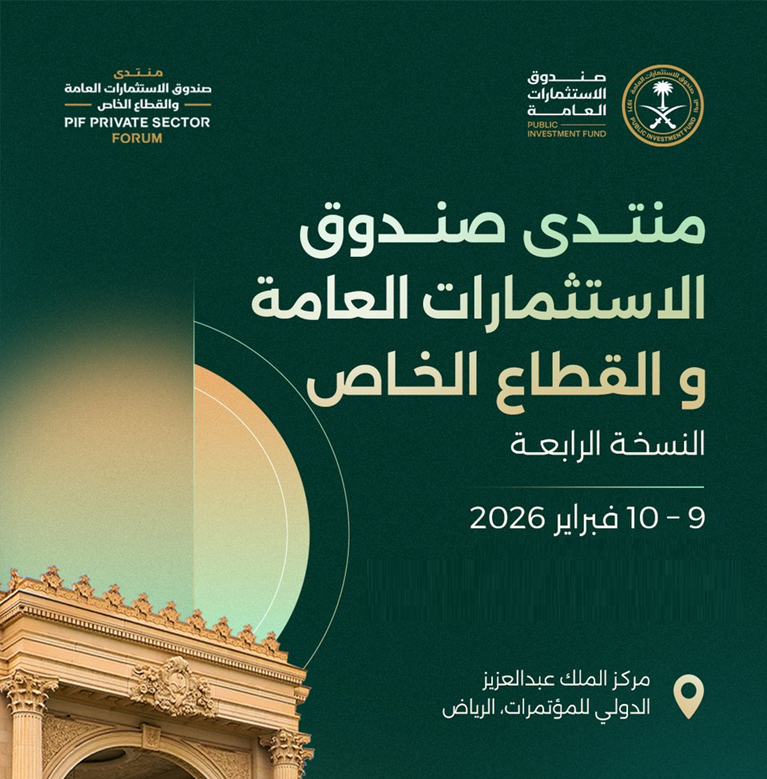
Speaking during a session titled “When Government Works to Support Business” at the Private Sector Forum 2026, Al-Falih said the National Investment Strategy, which targets SAR 12 trillion in investments by 2030, has achieved more than half of its goal within around three and a half years. He added that the share of investment in the non-oil economy has reached a historic level exceeding 40%.
Al-Falih noted that nearly 95% of realized investments came from the private sector, while PIF’s role accounted for around 10%, reflecting a clear policy of avoiding crowding out private investors and instead enabling value chains, linking them to financing and investment opportunities. He also pointed out that the number of registered investment companies has increased tenfold, while the number of global firms establishing regional headquarters in Saudi Arabia has risen from five to around 700. Investment inflows are expected to multiply several times compared with 2019 levels.
In the same context, Minister of Industry and Mineral Resources Bandar Al-Khorayef said Saudi Arabia’s strategic advantages — including geographic location, natural resources, competitive energy prices, advanced digital infrastructure, and skilled human capital — are strengthening the Kingdom’s investment attractiveness. He highlighted PIF’s pivotal role in enabling new advanced industries (automotive, defense, and pharmaceuticals), developing existing national champions, and building supply chains in the mining sector, alongside accelerating the adoption of Fourth Industrial Revolution technologies and artificial intelligence through initiatives such as the “Factories of the Future” program and smart mining solutions.
Additional Insights | Key Angles
Sovereign Role Shift: From direct investor to ecosystem enabler and value-chain architect.
Investment Climate: Record non-oil growth and rapid expansion of global corporate presence in the Kingdom.
Industry & Mining: Introduction of new industries, localization of supply chains, and accelerated digital transformation.
Near-Term Horizon: Aligning investment priorities with major milestones (Expo 2030, FIFA World Cup 2034) and AI-driven digital infrastructure.
BETH Commentary
The forum’s core message is clear: economic transformation is being managed through an ecosystem approach, not isolated projects. The restructuring of PIF has repositioned the state from being the “largest financier” to a “market maker” that opens pathways for the private sector and deepens local content. The next challenge lies not in the volume of investment flows, but in the quality of impact — converting momentum into higher productivity, industrial competitiveness, and export-capable, sustainable local value chains.