


The World: From Linguistic Classification to the Language of Politics
Prepared & Analyzed | Strategic Media Management – BETH News Agency
Introduction
Since the earliest historical narratives, humanity has been classified into lineages, cultures, and languages in an attempt to understand human dispersion and civilizational diversity. The classifications attributed to the sons of Noah — Shem, Ham, and Japheth — formed an early symbolic framework for interpreting human geography. Yet they remained cultural descriptions rather than scientific standards for identity or genetics.
From Lineage to Genetics… and From Genetics to Culture
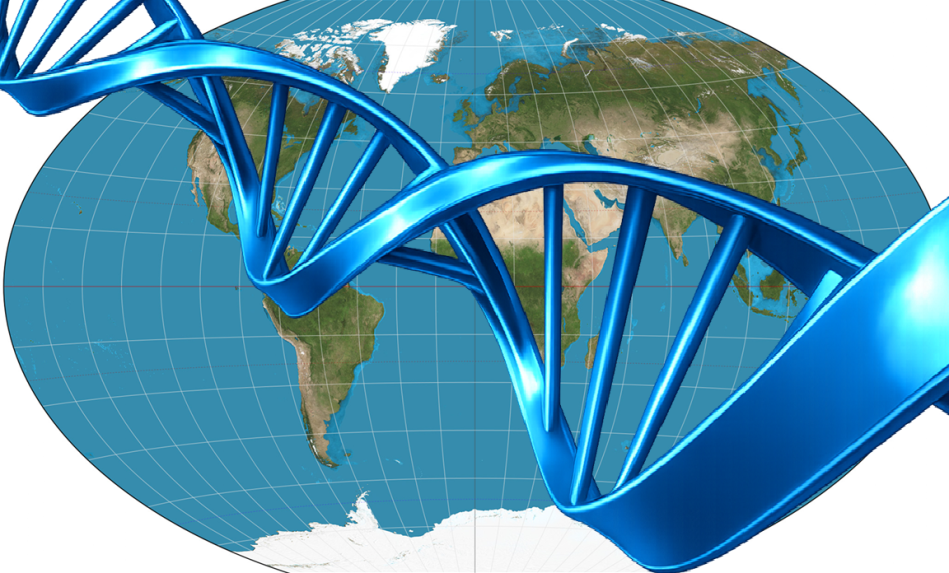
Modern science has moved beyond the notion of “racial purity.” Genetics reveal extensive human interconnection, while identities are historically shaped through migration, interaction, and intermixing. What unites humanity today is not “pure ancestry,” but a complex network of biological and cultural ties.
Languages: Scientific Classifications, Not Conflictual Identities
Semitic, Indo-European, and other language families are linguistic classifications used to trace the evolution of language structures — not political maps of belonging. Yet contemporary discourse often transfers these classifications from their scientific context into arenas of conflict, burdening language with political roles it was never meant to carry.
When Language Turns Political
In times of polarization, terminology is often hijacked to serve narratives of power:
A linguistic description turns into a confrontational identity,
A scientific concept is reframed as a tool of mobilization.
Here, the function of language shifts — from a tool of understanding to an instrument of alignment.
The Impact of Culture on Shaping the Collective Mind
The evolution of cultures shapes patterns of thought and public behavior. When minds are nurtured on analysis and critical thinking, they are liberated from rigid classifications. When indoctrination prevails, language becomes vulnerable to politicization and reductionism, and concepts are reduced to slogans.
BETH Conclusion
Today’s struggle is not between languages or lineages, but between awareness that restores concepts to their scientific context, and political discourse that reshapes them to serve narratives of power.
Protecting awareness begins with liberating language from instrumentalization — before attempting to liberate politics from the illusions of identity.