


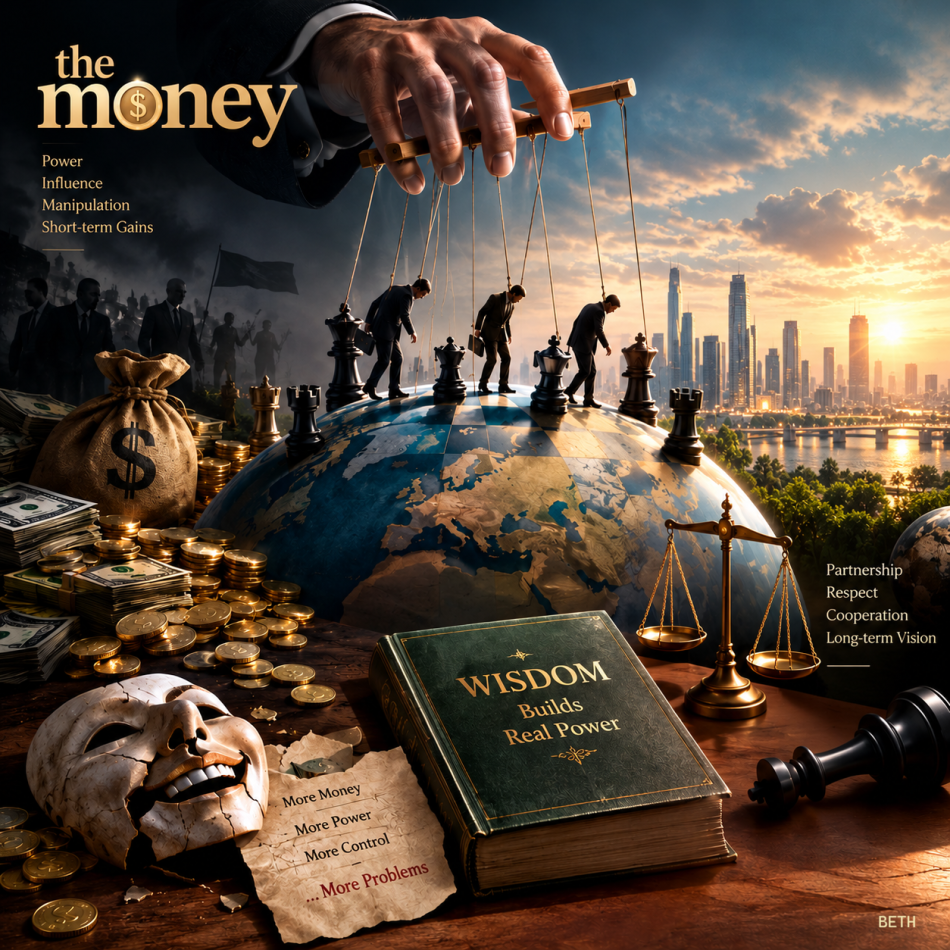
Politics and Media: Who Makes the Decision… and Who Shapes Its Meaning?
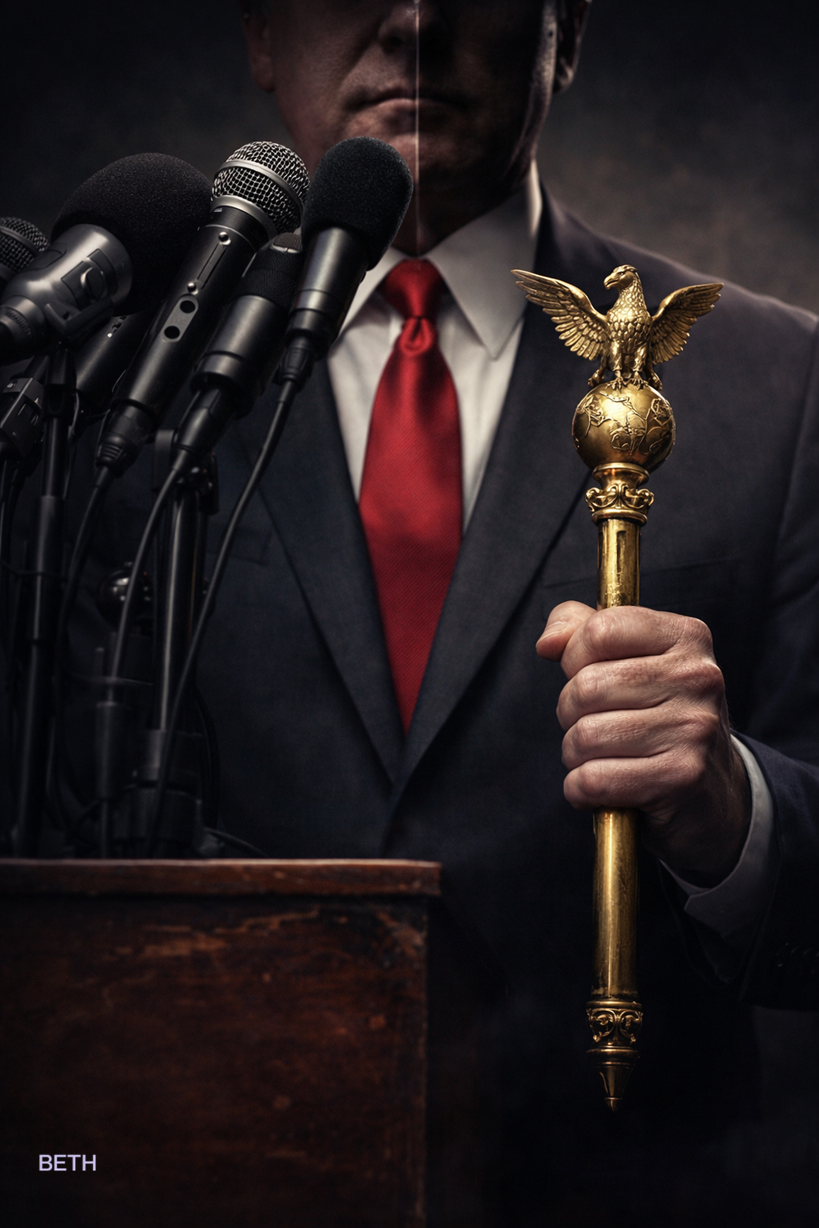
A Foundational Reading on Power, Narrative, and Crisis Management
In every major crisis, the same questions resurface in different forms:
Who made the mistake? Who decided? Who stayed silent? Who misled?
Yet the deeper—and far more dangerous—question is often overlooked:
How was what happened understood? And who shaped that understanding?
Here, politics and media intersect not as separate domains, but as a single system with two distinct functions:
Politics produces the decision.
Media produces its meaning.
Without meaning, decisions remain suspended—fragile, volatile, or primed to explode.
Politics and Media: A Relationship of Necessity, Not Luxury
Politics without media is a decision without an audience.
Media without politics is a voice without context.
In times of stability, media appears to relay, and politics appears to act.
In times of crisis, the roles invert:
Politics needs media to anchor the narrative and manage backlash.
Media becomes a decision arena, not merely a news platform.
Every policy without a comprehensible narrative is incomplete.
Every media output without an understanding of interests is deficient.
The Role of the Politician… and the Role of the Media Professional
1) The Politician’s Role
Define objectives and national interest
Choose timing and instruments
Manage cost and consequences
Balance the possible with the risky
A politician is not measured by the boldness of a decision alone, but by the ability to absorb its fallout.
2) The Media Professional’s Role
Interpret decisions, not echo them
Test narratives, not embellish them
Protect public awareness from manipulation
Transform events into knowledge, not noise
The media professional is not the politician’s adversary—
but neither is he their employee.
When Does a Politician Become “Media-Savvy”… and a Media Professional “Political”?
The Media-Savvy Politician
Understands that:
A decision without explanation is a burden
Messaging is part of national security
Image, timing, and language are sovereign tools
Managing expectations outweighs making promises
The Politically Literate Media Professional
Understands that:
News does not emerge in a vacuum
Every statement targets an audience
Silence can be a message
Timing may outweigh the information itself
The media-savvy politician masters delivery.
The politically literate media professional masters interpretation.
When Decision Meets Voice: The Politician–Media Hybrid
When both roles converge in one individual, four decisive models emerge:
1) The Conscious Politician–Media Figure (Rare)
The healthy model.
Understands decision logic (politics) and public awareness (media)
Knows when to speak—and when to remain silent
Uses media as a compass, not a weapon
Outcome:
Calmer decisions, rational crisis management, long-term trust.
Rare because it requires ethics, discipline, and ego restraint.
2) The Politician Who Mastered Media (Most Common)
An ambiguous model.
Markets decisions through media
Reduces complexity to slogans
Turns politics into a perpetual performance
Risk:
Decisions become hostage to image.
Retreat is framed as weakness.
Admitting error becomes impossible.
Here, media is a tool of power—not of awareness.
3) The Media Figure Who Entered Politics
The silent danger.
Over-simplifies governance
Governs by “trends”
Confuses opinion with decision
Outcome:
Populism, emotional crisis management, and sacrificing the future for present applause.
Politics is not a talk show.
4) The Narcissistic Politician–Media Figure (Most Dangerous)
The destructive model.
Sees himself as the event
Confuses amplification with legacy
Hears only his own echo
Outcome:
Permanent escalation, imaginary enemies, and exhausting allies before adversaries.
Here, media fuels ego—and politics becomes theater.
Core Conclusion
The convergence of politics and media in one person is not inherently dangerous.
The danger lies in the absence of awareness separating decision from its impact.
The Arab World and the West: Different Management, Not Different Intelligence
The core difference is not intellect or intent—but how media is operationalized within the state.
Western Models (Generally)
Multiple narrative sources
Relatively independent media
Trained institutional spokespeople
Crisis management based on phased transparency
The state speaks; the media tests.
Arab Models (Generally)
Dominant official narrative
Occasional blending of message and information
Delayed statements create rumor vacuums
Political sensitivity often precedes awareness management
States prioritize stability—
but stability without clarity breeds informational voids.
Crisis Management: Before, During, After
Before the Crisis
Politically: risk assessment, scenarios, red lines
Media-wise: trust-building, spokesperson training, rumor monitoring
During the Crisis
Politically: clear decision + controlled fallout
Media-wise: accurate information, regular updates, unified source
After the Crisis
Politically: review, accountability, reform
Media-wise: explanation—not justification; awareness—not revenge
If Politics Is the Art of the Possible… What Is Media?
Politics is often described as the art of the possible and the impossible.
Media, in times of crisis, becomes:
The art of manufacturing meaning under time pressure—without betraying truth.
More bluntly:
Media is not the art of transmitting news,
but the art of preventing lies from becoming facts.
Politics and Media in the Age of Digitization—and Beyond
The world is entering a new phase:
Algorithms act as hidden editors
Speed defeats verification if unmanaged
Disinformation becomes engineered, not random
Audiences fragment
Politicians manage narratives
Media professionals manage layered verification
The future does not need louder media—
but deeper understanding.
BETH Conclusion
The relationship between politics and media is not a conflict—
but a partnership conditioned on awareness.
When politics understands media power,
and media understands political logic,
disputes are managed at lower cost,
and crises with greater rationality.
But when they separate, the vacuum never remains empty:
rumors fill it, anger leads it, and everyone pays the price.
Closing Reflection
When media precedes politics, states are governed by emotion.
When awareness precedes media, crises are governed by reason.
_____
BETH | Independent Media Insight
Strategic Media Management