


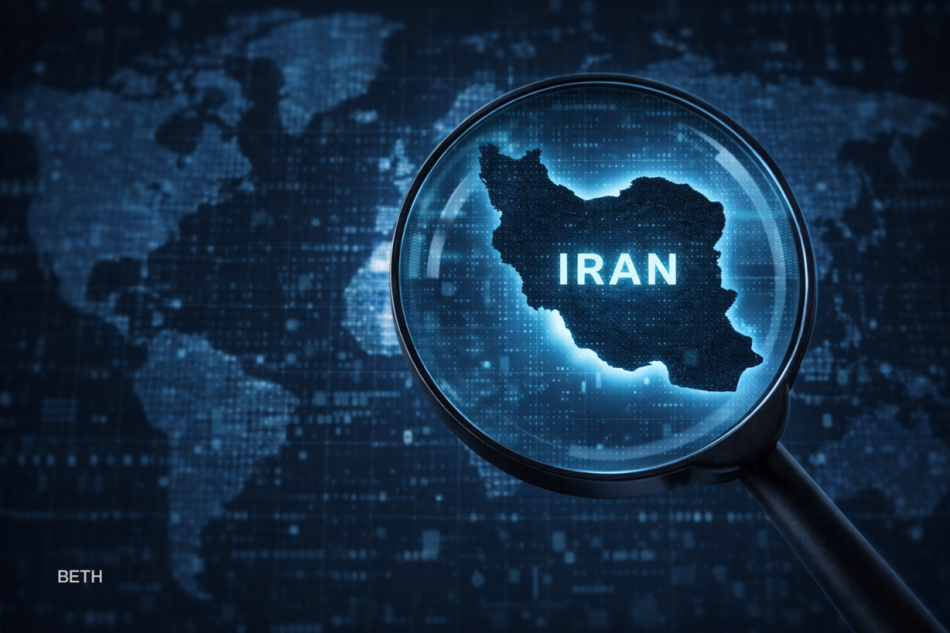
Iran Under International Scrutiny
Prepared & Analyzed | Strategic Media Department – BETH
Introduction | Why This Report?
BETH does not publish news as isolated events.
It reads them as interconnected trajectories that reveal shifts in power, expose contradictions between rhetoric and practice, and place the reader before the question of the future—not at the limits of the moment.
This report begins with a high-level security assessment and expands into a broader inquiry:
Is what is unfolding around Iran merely a passing escalation, or a defining moment in its relationship with the region and the world?
Opening the File
1) Petraeus’ Statement: Assessment, Not a Declaration of War
Former CIA Director David Petraeus stated that the Middle East has undergone “profound transformations” in recent years, pointing to what he described as a significant decline in Iran’s power, affecting not only the state itself but also its regional allies in Yemen, Lebanon, Syria, and Iraq.
He noted that developments following the October 7 attacks contributed to weakening Iran’s influence network, through the targeting of key leadership figures and sensitive technical infrastructure. He also referenced limited U.S. involvement in the final phase, supporting operations against deeply fortified facilities.
BETH Reading:
Petraeus’ remarks are not framed as threats, but as intelligence-based assessment—a recalibration of shifting power balances rather than an announcement of intent.
From the Battlefield to the Iranian Interior
2) Iran from the Outside In: A Dual Erosion
Alongside regional pressure, internal pressure on the Iranian system is intensifying—marked by recurring protests, widespread security crackdowns, and tightened judicial measures—bringing Iran’s human rights record back to the forefront of international institutions.
Here begins the second narrative:
Not what Iran does beyond its borders, but how it governs its society at a moment of external vulnerability.
Refining the Human Rights Narrative
How to Maintain Force Without Losing Credibility
Instead of emotive or absolutist language such as:
“Killing machine”
“Illegitimate authority”
“Inevitable collapse”
BETH adopts analytical terminology:
Systematic repression
Excessive and disproportionate use of force
Deepening internal legitimacy crisis
Escalating risk of impunity
Example of Editorial Calibration
Before:
“The killing machine of this illegitimate authority…”
After (BETH-style):
International reports indicate a rise in executions and judicial intimidation mechanisms, described by human rights organizations as a systematic policy of deterrence aimed at containing internal unrest.
The United Nations | The Real Turning Point
3) From Concern to Documentation: A Defining UN Moment
The emergency session of the UN Human Rights Council marked a qualitative shift—not only through the extension of the fact-finding mission’s mandate, but through a transition in UN language from diplomatic concern to documentation and accountability.
Testimonies and figures presented, including the use of heavy weaponry and allegations of torture and sexual violence, moved the Iranian file from political condemnation toward a potential legal accountability track.
BETH Reading:
When the UN moves from statements to evidence-gathering, the issue exits symbolic pressure and enters structural scrutiny.
The European Parliament | A Political Message Without Courtesy
4) European Consensus and the Cost of Silence
The European Parliament’s overwhelming vote condemning repression and calling for the designation of the IRGC as a terrorist organization reflects a clear shift—from crisis management toward confronting the political cost of inaction.
While the resolution lacks immediate executive force, it places European governments before a public ethical and political test.
Analytical Conclusion
Conclusion | BETH
What surrounds Iran today is neither a collapse scenario nor a ready-made settlement.
It is a historic moment of testing:
A test of the system’s ability to endure without comfortable international cover
A test of whether the international community is willing to move from condemnation to accountability
And a test of Iranian society’s capacity to impose a new equation
The central question is no longer:
Has Iran changed?
But rather:
Has the world changed in how it deals with Iran?