
Davos Reveals the Global Soft Power Map 2025
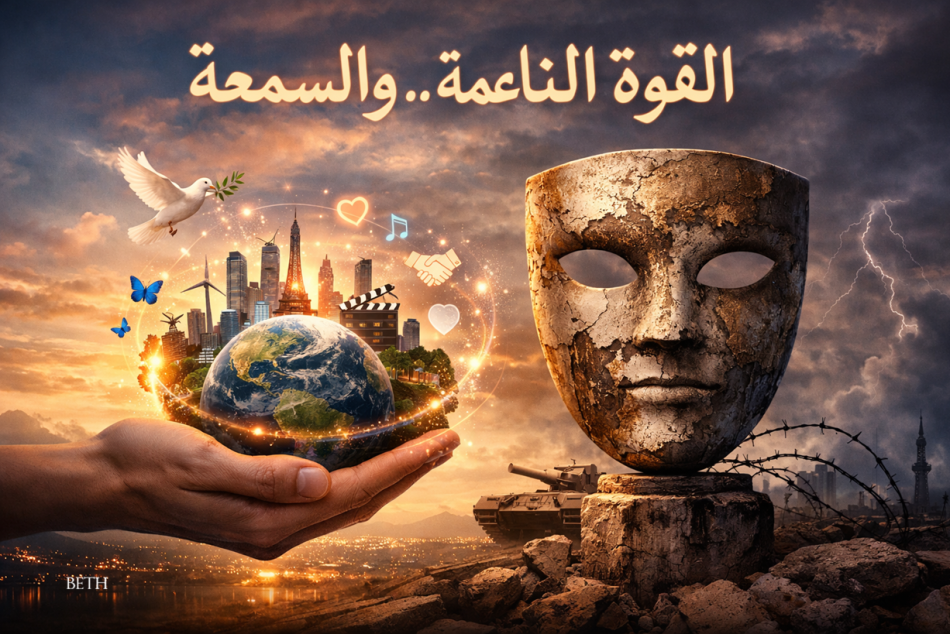
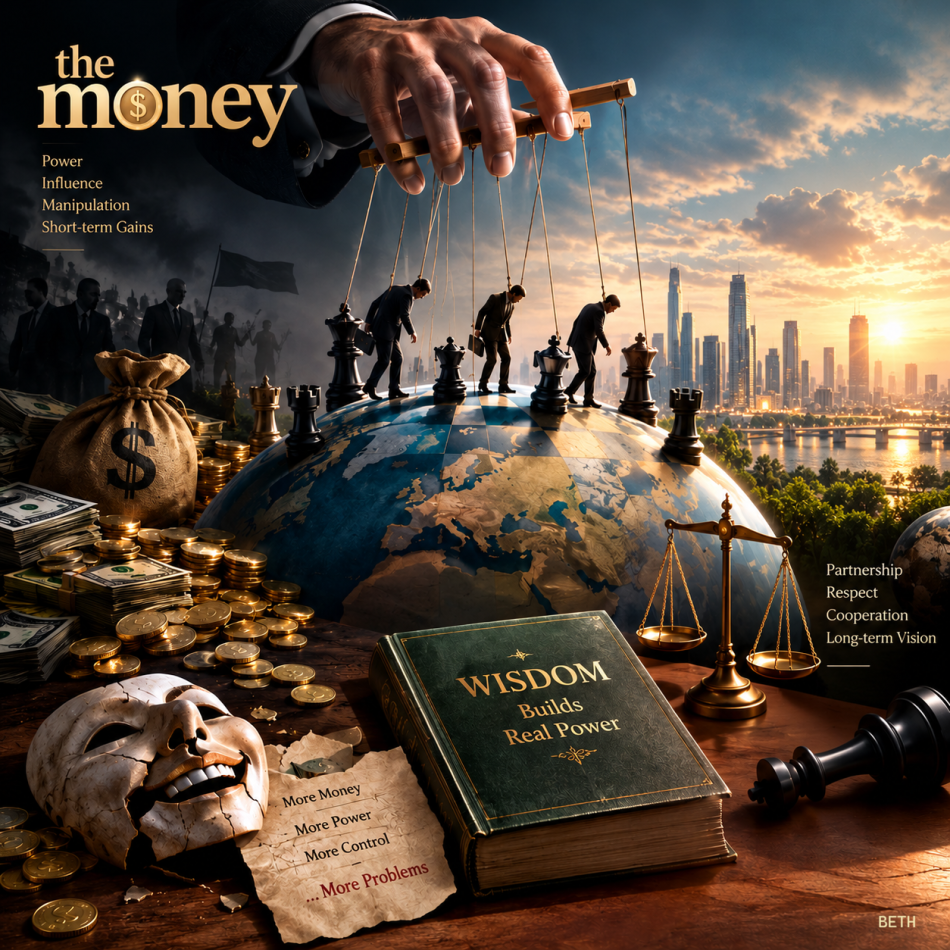
The Power You Don’t See!
Countries that possess all the tools of power… yet lose
How is influence built without weapons? Davos answers
Can a country’s reputation be repaired? The index exposes before it fixes
Analytical Report | BETH – From Davos
Today, at the World Economic Forum in Davos, the results of the Global Soft Power Index 2025, issued by Brand Finance, were announced.
The index assessed 193 countries worldwide, making it one of the most comprehensive international studies measuring non-coercive global influence.
However, the importance of the report lies not only in the rankings, but in what it reflects about a fundamental shift in the very concept of power.
Saudi Arabia ranked 20th globally in the Soft Power Index, according to the latest edition of the Global Soft Power Index issued by Brand Finance, following significant progress over recent years, with strong performance in national reputation and influence at both regional and international levels.
Saudi Arabia recorded high scores in:
Familiarity and awareness
Business and trade
Reputation
International relations
Ability to influence
Top 5 Countries in the Index
United States of America — ranked first globally in soft power, excelling in national reputation, international relations, education, and communications.
China — ranked second globally, advancing strongly in international influence, economic growth, and cultural presence.
United Kingdom — ranked third, supported by its standing in media, education, and culture.
Japan — ranked fourth, driven by technology, innovation, and cultural influence.
Germany — ranked fifth, combining a strong economy with stable diplomacy.
The Major Paradox
A country may be:
Militarily powerful
Intelligence-savvy
Politically present
And yet…
Absent from soft power
What Is Soft Power?
Soft power is a state’s ability to influence, persuade, and attract without using military force or direct economic pressure.
It is the power that makes others want to cooperate with you — not because they are forced to, but because they are convinced.
This concept, now a cornerstone of modern international relations, is based on the understanding that real influence is not built solely through weaponry or wealth, but through:
Mental image
Credibility
Values
Quality of the domestic model
The ability to inspire
Tools of Soft Power
The Soft Power Index relies on an interconnected set of tools, most notably:
1) Politics and Governance
Stability
Clarity of decision-making
Rule of law
Institutional efficiency
2) Economy and Development
Business environment attractiveness
Innovation
Investment opportunities
Sustainability
3) Culture and Media
Arts
Media production
Public discourse
Ability to speak to the world in a language it understands
4) Diplomacy and International Relations
Crisis management
Alliance-building
Mediation
Political credibility
5) Values and Education
Quality of education
Openness
Diversity
External image of society
Soft power, in this sense, is a cumulative product — not built by a single decision, but through a long-term alignment between what is said and what is practiced.
Why Has Soft Power Become Critical Today?
Because the world has entered a phase where:
The effectiveness of coercion is declining
The cost of confrontation is rising
The weight of reputation is increasing
Countries that manage their soft power effectively:
Attract investment
Gain international sympathy
Reduce the cost of crises
Enjoy wider room for maneuver in politics and economics
Those that neglect this dimension may possess hard power tools, yet lose the deeper battle: the battle of image and trust.
Index Results
According to what was announced in Davos:
The report covered 193 countries
It was based on the views of more than 150,000 respondents worldwide
Countries were evaluated across dozens of sub-indicators
Key General Observations:
Continued dominance of major powers, with variations in performance
The rise of countries that successfully linked development with balanced international discourse
The emergence of regional states that transformed stability and development into soft influence
The report clearly shows that global influence is no longer exclusive to traditional powers, but open to those who manage and improve their image wisely.
Can the Soft Power Index Be Used to Repair a Damaged Reputation?
Yes — provided the index is understood as a reform tool, not a polishing tool.
What Does Not Work?
Using the index as a mere media slogan
Inflating rankings or promotional exaggeration
Denying the reasons behind reputational decline
Exporting a “we are victims” narrative
Such approaches increase skepticism rather than repair image.
What Actually Works?
Honest Reading of the Index
A smart state asks:
Where did we lose points?
In governance?
In values?
In foreign policy?
In media?
In ethical conduct?
Here, the index becomes a diagnostic mirror, not a certificate of good conduct.
Choosing One Battle Only
Countries that improve their image do not attempt to fix everything at once.
They select a clear axis, such as:
Peace
Humanitarian work
Green economy
Innovation
Education
Culture
And build real behavior around it before any messaging.
Changing Behavior Before the Message
Soft power is not created through statements, but through:
Decisions
Policies
Positions
Observable actions
Only then does media come to explain — not justify.
Using the Index Intelligently
Not by saying:
“We are ranked X”
But implicitly stating:
“We understand how influence is measured, and we are working to improve it”
In other words:
Using the index as a reference framework, not as a medal to be displayed.
When Does Exploitation Fail?
It fails when:
Negative reputation results from ongoing behavior
Or from a stark contradiction between rhetoric and action
Or from moral superiority without self-review
In such cases, any promotion of the index is globally interpreted as an attempt at cover-up.
Conclusion
The index does not fix reputations…
but it reveals the path for those who want to fix them.
Those who understand this
turn it from a number in a report
into a roadmap for transformation.
BETH Conclusion
What was announced today in Davos is not merely an international ranking,
but a new map of influence, drawn with different tools:
Understanding instead of imposition
Attraction instead of pressure
Image instead of shock
In this world,
those who do not invest in their soft power
will one day be forced to use their hard power — at a much higher cost.