



Testing the Fed’s Independence
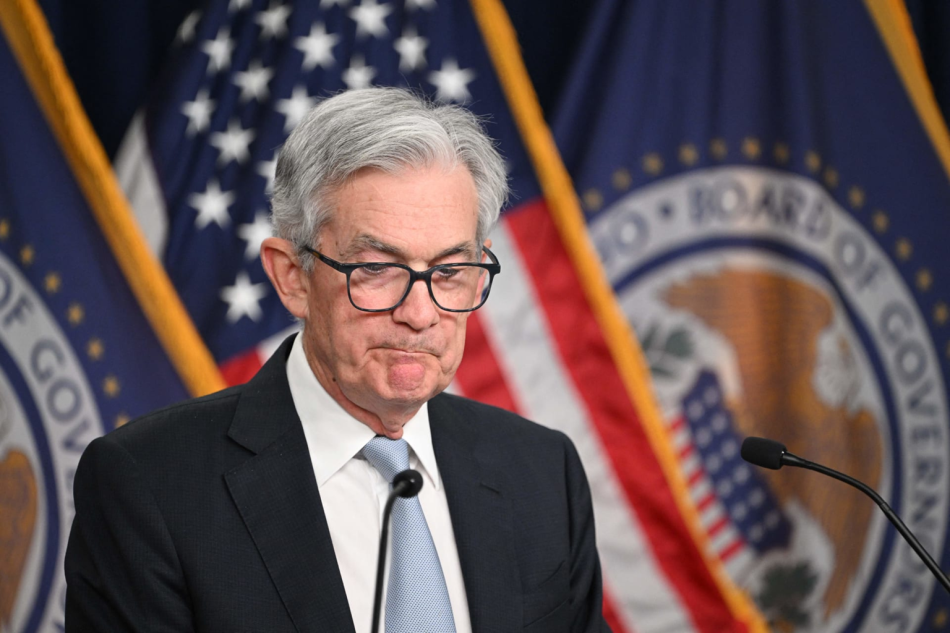
Washington | BETH
In a rare development at the level of the global financial system, leading central bank governors around the world have announced their “full solidarity” with U.S. Federal Reserve Chair Jerome Powell, following escalating political pressure and threats of criminal proceedings linked to the renovation project of the Federal Reserve’s headquarters in Washington.
According to international sources, the show of support came through a joint statement issued by major central bank leaders — including the European Central Bank, the Bank of England, and the Bank of Canada, among others — stressing that central bank independence is a fundamental condition for price stability and market confidence.
Powell, for his part, said the U.S. Department of Justice has served the Federal Reserve with grand jury subpoenas that could lead to criminal proceedings, describing the move as an attempt to exert pressure on the central bank over its interest-rate policy.
Global Analysis | Why is this event “so big”?
1) Because the Fed’s independence is the financial system’s safety valve
The Federal Reserve is not merely a domestic central bank; it is the global pricing anchor for the dollar, financial assets, and the cost of capital. Any doubt over its independence is immediately reflected in a risk premium: higher volatility, more expensive financing, and distorted inflation expectations.
2) Because “judicial pressure” sends a political signal to markets
Even if the investigation is formally linked to the renovation project, its timing and nature lead markets to ask one critical question:
Will interest-rate decisions become politicized?
That is more dangerous than any rate change itself, because it undermines the rules of the game, not just the number.
3) Because the response from central banks is global — and that is unusual
The joint statement is not a courtesy gesture; it is a defensive mechanism to protect independence as a global standard. When this “club” speaks, it is trying to prevent a political contagion from spreading to other central banks.
4) Direct impact on the Middle East and the Gulf
The dollar: Any erosion of market confidence could trigger waves of hedging and volatility in capital flows.
Financing: If the risk premium on U.S. assets rises, borrowing costs rise globally.
Energy: On the same day, oil prices climbed amid U.S.–Iran tensions over trade and sanctions, adding an extra layer of inflationary pressure on global markets.
Three Near-Term Scenarios
Institutional de-escalation: The issue is contained legally without affecting the Fed’s policy path → markets gradually stabilize.
Prolonged political escalation: Pressure continues until the Fed leadership transition → higher volatility and a wider risk premium.
Internationalization of the crisis: Any step seen as undermining independence prompts other central banks to harden their stance → turbulence in currency and bond markets.