



Jabal Al-Qadr… A Saudi Geological Gem Among the World’s Top 100 Sites
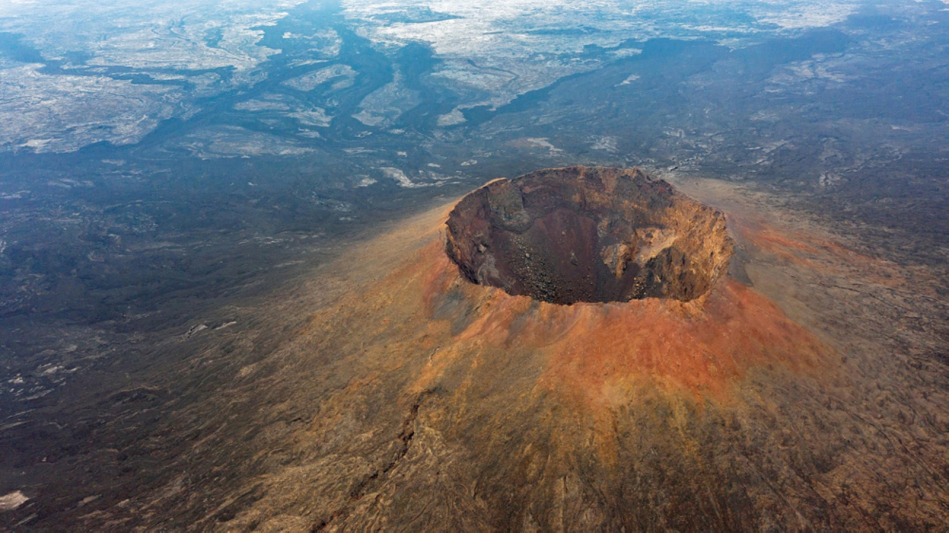
Al-Khuybar – Saudi Arabia | BETH
Jabal Al-Qadr, located within the volcanic Harrat Khaybar north of the Madinah region, stands as one of the most remarkable examples of modern volcanic geology in the Arabian Peninsula. It has been selected among the Top 100 Geological Sites in the World, a list issued by the International Union of Geological Sciences (IUGS) in cooperation with UNESCO, in recognition of its scientific, visual, and cultural significance.
A Young Volcano… With a Thousand Years of History
According to the Saudi Geological Survey, the mountain represents an exceptional geological landmark characterized by:
Relatively recent volcanic activity,
A well-defined volcanic cone rising nearly 400 meters,
And its classification as one of Saudi Arabia’s most recent historically active volcanoes, with its last eruption occurring roughly 1,000 years ago.
These eruptions produced massive basaltic lava flows and pyroclastic materials through a network of complex lava tubes, shaping a rare and striking geomorphological landscape.
A Unique Intersection of Nature and Ancient Humanity
One of the site’s most intriguing features is that ancient lava flows covered large stone structures known as “Desert Kites,” widespread archaeological formations believed to date back to the Bronze Age—nearly 5,000 years ago.
This rare overlap between:
natural volcanic activity, and
ancient human settlements,
grants Jabal Al-Qadr a dual scientific and heritage value, making it an important destination for geologists worldwide and a promising anchor for developing geotourism in Saudi Arabia.