


Turki Alalshikh Visits Al-Hosn and Qiddiya Studios to Review Preparations for the “Khalid ibn Al-Walid” Film
Riyadh – BETH
Riyadh, Saudi Arabia – December 2, 2026
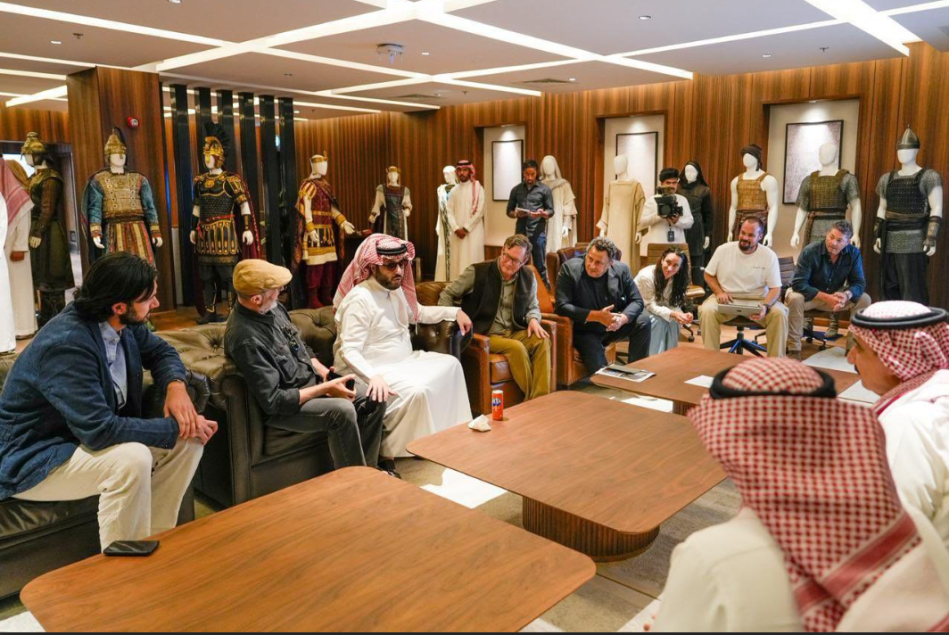
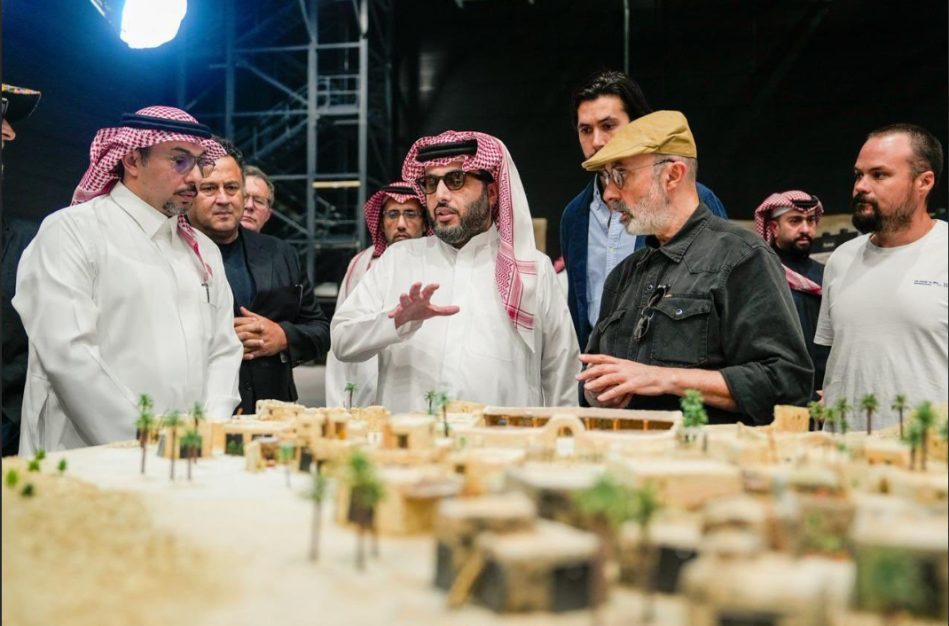
His Excellency Turki bin Abdulmohsen Alalshikh, Chairman of the General Entertainment Authority (GEA), visited Al-Hosn Big Time Studios and Qiddiya Studios today (Monday) to review the progress of the historical film depicting the life of the revered Companion Khalid ibn Al-Walid. The film is one of the largest Arab cinematic productions to date, produced by Sela, and supported by the General Entertainment Authority and Riyadh Season.
A Major Cinematic Project of Exceptional Scale
The project follows more than a year of extensive preparations, including:
Construction of large-scale historical sets
Development of major battle locations
Design and coordination of complex combat sequences
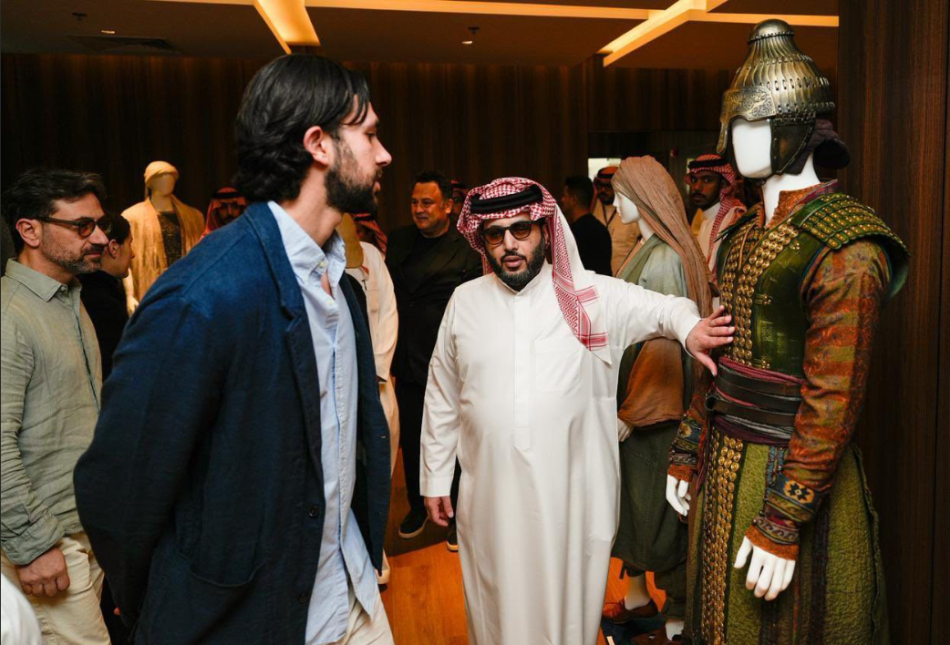
Creation of detailed visual elements reflecting the film’s historical environment—including architecture, costumes, and battlefield aesthetics
A Field Review of Creative and Technical Preparations
During the visit, His Excellency observed key stages of production, such as:
The construction of primary sets
Initial models of historical environments
Artistic designs illustrating the visual direction of scenes, architecture, and costumes
His Excellency also met with the creative and production teams, including:
International director Alex Sakharov
International producer Richard Sharkey
The team presented the latest updates and the roadmap for upcoming production phases, ensuring a world-class cinematic experience that reflects the magnitude and importance of the project.
A New Milestone for Arab Cinema
The film stands as one of the most significant cinematic projects being filmed in Saudi Arabia, reflecting:
The rapid evolution of Saudi film production
The rise of Arab cinema toward higher levels of professionalism and global standards
The Kingdom’s growing position as a major hub for historical and epic film production in the region
BETH Analytical Commentary
The significance of this project goes far beyond retelling the life of a legendary figure like Khalid ibn Al-Walid. Its deeper meaning lies in what it represents for the industry itself:
Saudi Arabia is moving from merely hosting productions to creating landmark works capable of reshaping Islamic and Arab history through world-class filmmaking.
The larger message is clear:
Entertainment in the Kingdom is no longer “just entertainment.”
It has become a form of soft power—reframing history, elevating cultural narratives, and positioning the region as a competitive force in global visual storytelling, just as it competes in sports, economy, and tourism.