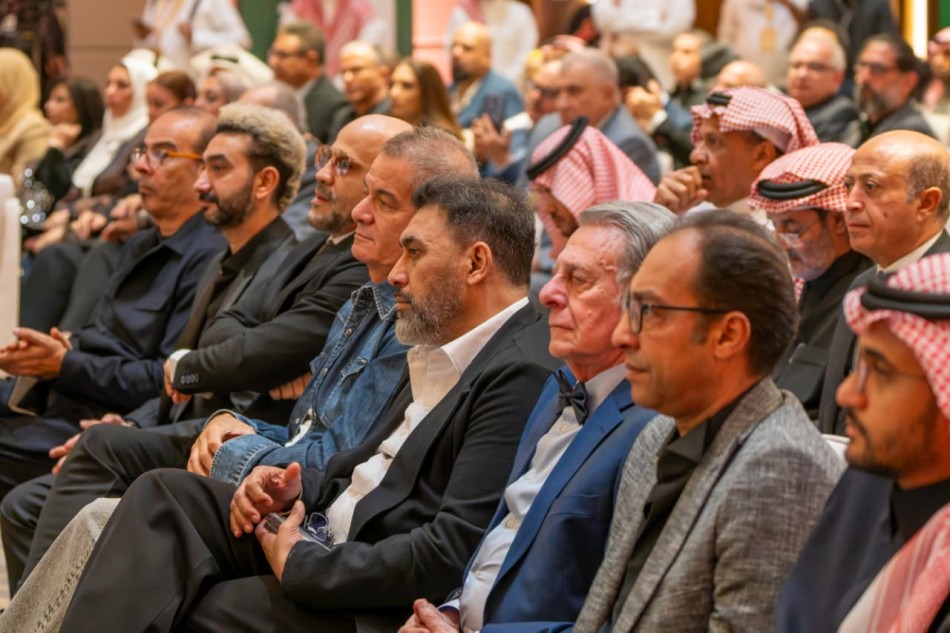



Riyadh Leads the Arab Maqam Documentation Project
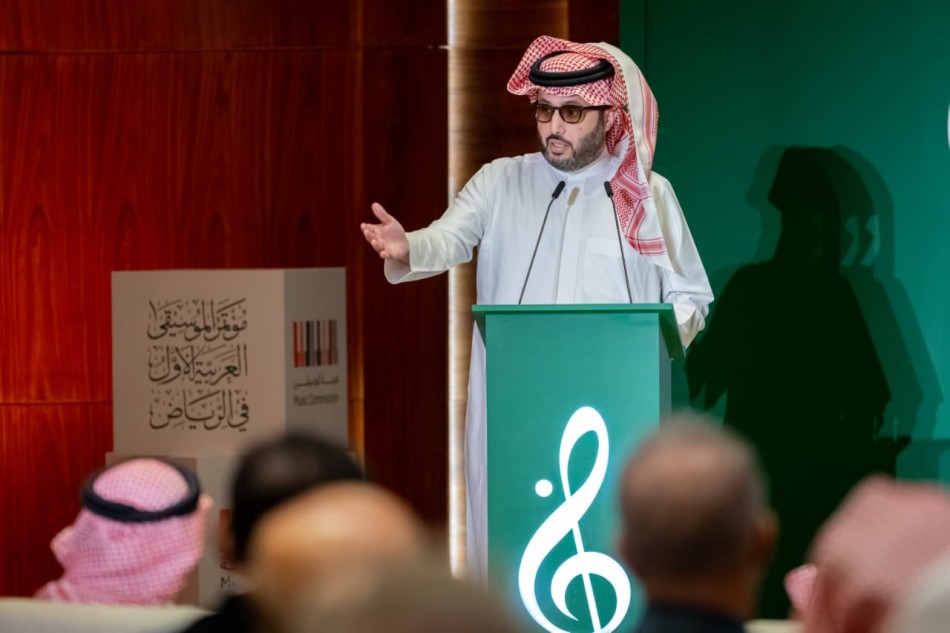
Turki Alalshikh Chairs the Arab Music Conference in Riyadh
Calls for Comprehensive Documentation of Eastern Vocal Maqams Within Two Years
Riyadh – BETH
30 November 2025
The Arab Music Conference kicked off today in Riyadh under the chairmanship of His Excellency Turki bin Abdulmohsen Alalshikh, Chairman of the General Entertainment Authority (GEA). In his opening remarks, Alalshikh emphasized that the idea of holding the conference emerged in response to the artistic and research needs of the Arab world. He described the gathering as an advanced scientific platform dedicated to studying musical forms, documenting maqams and rhythms, and shaping their future development.
He called for a comprehensive documentation of Eastern vocal maqams within the next two years, with an expanded scope that includes Eastern maqams in Iran, enhancing the project’s academic value and reinforcing the international visibility of Eastern music.
Recognition of Saudi Leadership in Culture and the Arts
At the beginning of his speech, Alalshikh expressed his highest gratitude to the Custodian of the Two Holy Mosques King Salman bin Abdulaziz and to His Royal Highness Crown Prince Mohammed bin Salman for their continued support of the entertainment and cultural sectors. He affirmed that the Crown Prince’s vision has created a profound shift in the creative economy and knowledge-making industries in the Kingdom.
He also extended appreciation to His Highness Prince Badr bin Abdullah bin Farhan, Minister of Culture, for his ongoing efforts in supporting the cultural sector and strengthening Saudi identity through diverse artistic expressions.
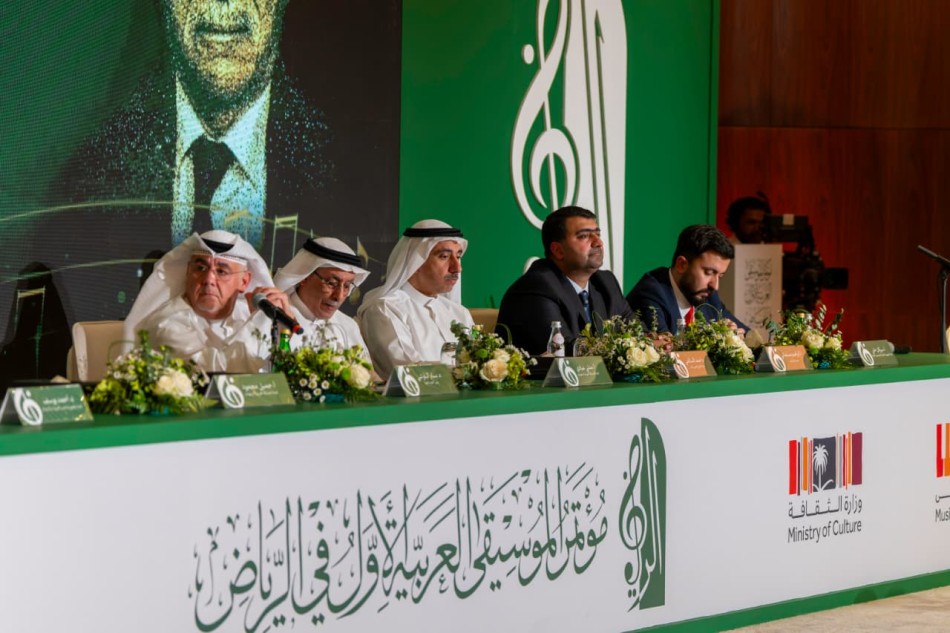
A Call for Unified Scientific Methodology in Maqam Documentation
Alalshikh highlighted the need for full coordination among relevant institutions to establish a unified methodology for documenting and recording Eastern maqams. He noted the advanced technical capabilities at Merwas Studio as a key enabler of the project, and emphasized the importance of establishing a dedicated academic center for music education to meet future research and training needs.
He added that the ultimate goal is for the project’s outcomes to reach music institutes worldwide, positioning Arab music as a credible academic reference on the international stage.
A Unified Arab Vision… and the Arts as a Shared Language
Alalshikh stated:
“We are one hand… and Riyadh and every Arab capital is a capital of art.”
He stressed the importance of Arab cooperation in documenting musical heritage and advancing studies related to maqams and rhythmic structures.
He also thanked “The Artist of the Arabs,” Mohammed Abdu, noting that 50% of his orchestral ensemble now consists of Saudi musicians—a significant milestone demonstrating the development of Saudi talent.
Eight Months of Research… and Unified Arab Recommendations
After eight months of extensive work involving committees from across the Arab world and Türkiye, the conference announced a set of comprehensive recommendations, including:
Establishing a unified Arab project for documenting maqams, rhythms, and traditional instruments
Launching digital platforms and open-access libraries for musical heritage
High-quality audio-visual recording of musical models
Creating a higher Arab academy for musical sciences and arts
Integrating Arab musical heritage into educational curricula
Launching an annual award for research in Arab music theory
Building a comprehensive Arab musical archive for rare recordings
Supporting manuscript restoration and studies on maqam structures
Continuous review of documentation outputs to ensure scientific rigor
Strengthening knowledge exchange between Arab countries
A Unified Arab Musical Reference
The conference laid the foundation for a new vision that treats Arab musical heritage as a sustainable scientific and cultural project, centered on:
Research
Documentation
Education
Digital transformation
The objective: restore Arab music to its rightful place as a leading global tradition.
A Comprehensive Scientific Methodology… and Wide Arab Participation
The conference adopts a broad research methodology that includes:
Fieldwork to collect local performance traditions
Notational and audio documentation
Updating terminologies established at the 1932 Cairo Music Conference
Building a unified Arab musical archive
Oversight is led by the Higher Committee chaired by composer Dr. Bassam bin Ghazi Al-Balushi, with participation from leading Arab scholars and experts.
Documenting Saudi Musical Heritage… 14 Maqams and 160 Rhythms
Saudi Arabia’s contribution to the project includes the documentation of:
14 Hijazi maqams
More than 160 Saudi rhythms
All collected through extensive fieldwork from local practitioners—reflecting the richness and diversity of Saudi musical heritage.