



America Drops Tariffs… and the World Holds Its Breath
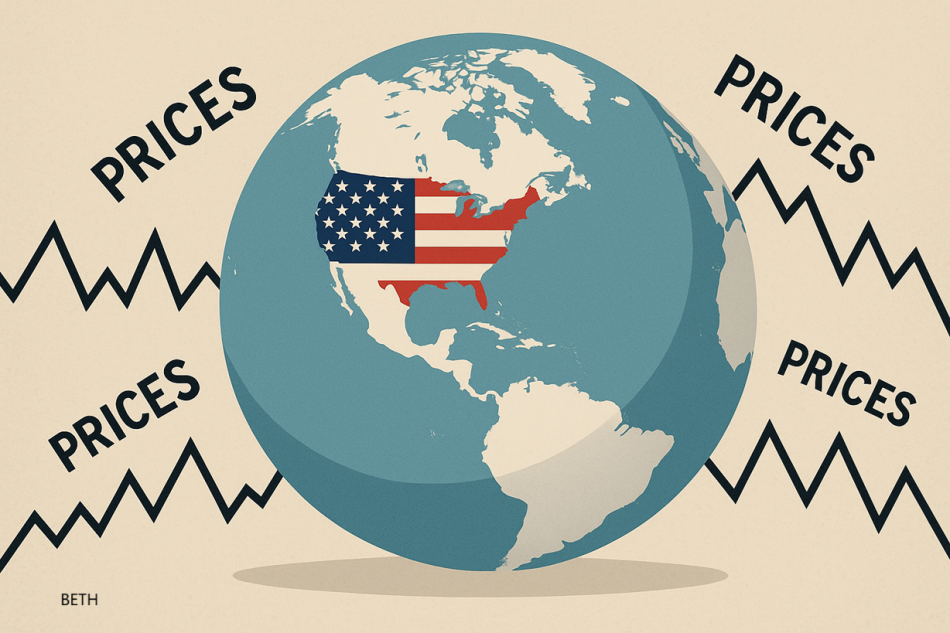
When the White House Lowers Prices at Home… Do They Rise Everywhere Else?
Prepared & Analyzed by: BETH – Riyadh
In a surprising move, the White House announced the removal of tariffs on a range of highly consumed goods in the U.S. market—from beef to coffee and tropical fruits—under new framework agreements signed with Ecuador, Guatemala, El Salvador, and Argentina.
The decision, which President Donald Trump described as “a necessary correction to lower prices,” aims to calm a turbulent food market that has seen historic spikes, particularly in red meat.
But behind this decision lies a larger global question:
Is Trump reducing inflation in Washington… while exporting it to the rest of the world?
BETH Global Analysis
1) America Calms Its Domestic Market… and Disrupts Global Ones
When the world’s largest economy opens its doors to specific imports without tariffs, an immediate global shift occurs:
The four exporting countries will redirect major portions of their production toward the U.S.
Other markets (Europe, the Middle East, Asia) will compete for whatever remains.
The natural outcome: higher prices outside the United States.
Trump cools down the American consumer…
but ignites a global scramble for the same commodities.
2) Red Meat: The Hardest Hit Sector
Removing tariffs means:
The U.S. will pull massive quantities of meat from international markets
Brazil and Argentina will channel more of their output toward the American market
Suppliers will raise global prices, benefiting from surging U.S. demand
A similar pattern occurred in 2019, when U.S. policy shifts triggered a global jump in poultry prices.
3) Coffee & Tropical Fruits: The World’s Most Shared Basket
These products are especially sensitive because they:
Are consumed in large quantities across the Middle East
Are priced on international commodity exchanges that react instantly to U.S. demand
Increase in futures markets with a single announcement from Washington
The U.S. lowers prices for its consumers…
but the gap is often paid by consumers elsewhere.
4) The Political Message Behind the Economic Move
Trump’s decision carries a dual message:
To Americans: “I will lower prices no matter what it takes.”
To foreign partners: “I will engage those who benefit my strategy—and pressure those who don’t.”
This is not broad trade liberalization…
but political selectivity wrapped in economic justification.
BETH Conclusion: Who Pays the Bill?
Lowering consumer prices in the U.S. is understandable…
but the ripple effects will be felt worldwide:
A likely rise in red meat prices in the Middle East
Volatility in coffee and fruit prices
Supply chains shifting toward U.S.-favored partners
Increasing competition for agricultural goods grown in the Global South and consumed heavily in the Global North
Trump is extinguishing inflation at home… but may be sparking its flames abroad.