


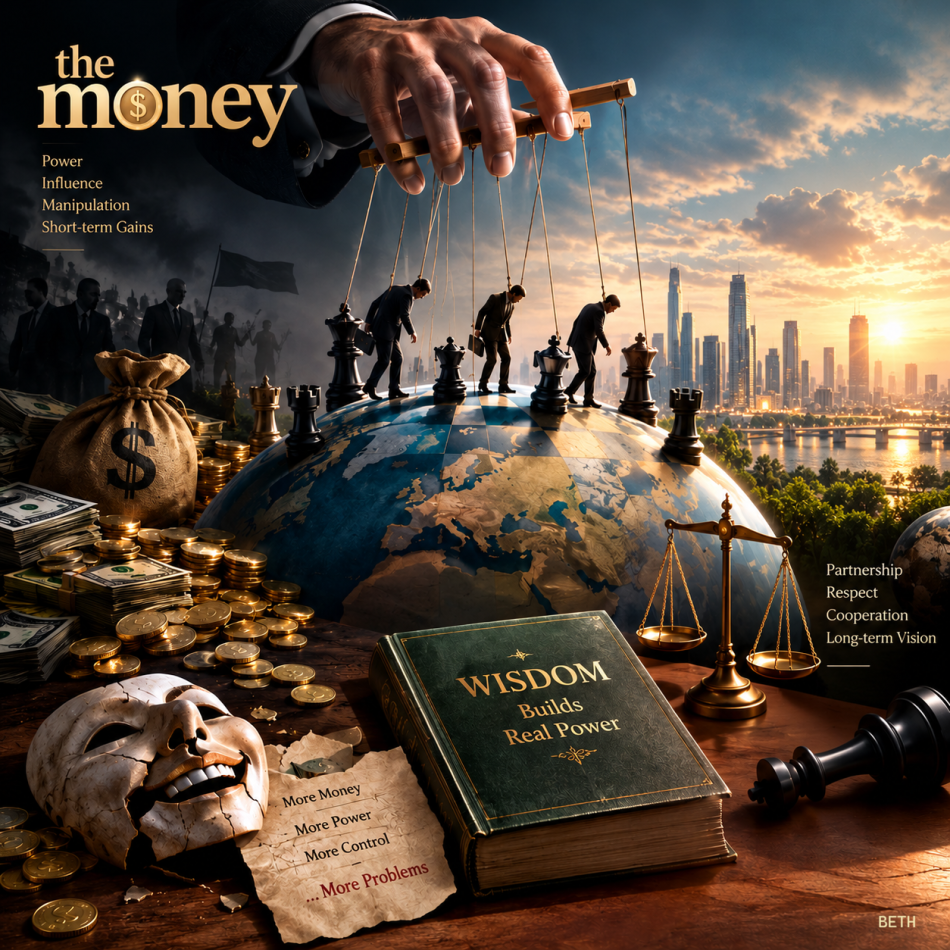
Inflated Symbols
✍️ By Abdullah Al-Omirah
Across the four continents — America, Europe, Asia, and Africa — history repeats the same scene:
The media creates symbols out of nothing, magnifies them until they fill the screen, and then people applaud a shadow that has no substance.
A symbol is born small, like any ordinary person.
Then it is fed with light, injected with words, and inflated with reverence until it swells beyond recognition.
In the end, people no longer see the person — they see the image that was made for him.
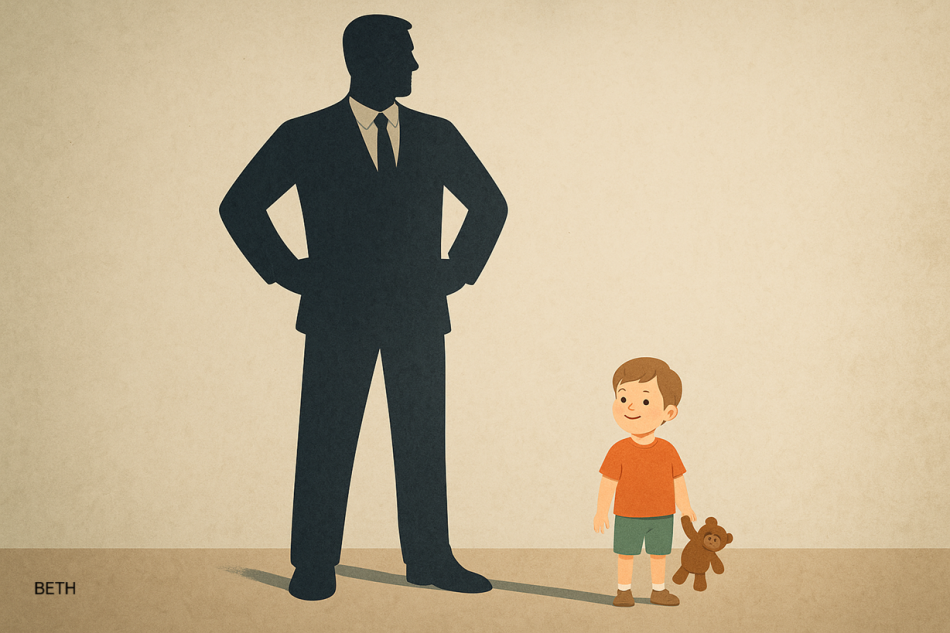
But behind every inflated symbol lives a small child at play —
A child who fears, envies, and longs to be loved.
Some are sensitive children; others have lost sensitivity altogether.
Some still think the world is a game; others turn the game into war.
The Psychological Face of the Media Symbol
In media psychology, this is known as “symbolic inflation” — when the audience relates to the symbol rather than the human being,
when fame becomes a mask that covers inner fragility.
The media manufactures its icons with a false dose of seriousness, hiding the real child backstage and projecting a rigid, stoic version that knows neither simplicity nor error.
In truth, the world does not suffer from the harshness of symbols,
but from their fear of showing humanity.
The symbol fears being seen laughing, fears making mistakes,
fears being ordinary.
Thus, they live in psychological armor made of iron — even if inside, they are as fragile as paper.
Media as a Distorted Mirror
Modern media no longer reflects reality — it inflates it until it becomes an alternate reality.
Instead of showing people as they are,
it reshapes them to fit broadcast formats, headlines, and spectacle.
To the media, a symbol is not a human being —
but a visual product, made for marketing, admiration, and conflict.
Hence, we see political, artistic, intellectual, religious, and economic figures
whose echoes grow louder than their impact,
whose presence outweighs their value,
until the “symbol” itself becomes a commodity rather than an idea.
The Child Hidden Behind the Symbol
Every symbol, no matter how mighty, hides within it the child who was never allowed to appear —
the child who loves play, honesty, simplicity, and wonder.
Yet the world constantly demands that he be serious,
that he wear the mask every day,
bury his laughter,
and master the art of silence before the camera.
And so, symbols turn from people into performances,
from hearts into headlines,
from faces into intellectual trademarks.
When Inflation Replaces Understanding
The modern world is filled with harsh figures who wage wars
but cannot make peace —
because the child within them has vanished,
or because the media chose to hide him.
The child does not love wars, nor understand hatred.
But manufactured symbols cannot live without conflict;
they need it to remain on screen.
Analytical Vision
From the perspective of media psychology, the inflation of symbols is not merely a media distortion —
it is a social defense mechanism.
Societies that lose confidence in themselves search for larger-than-life figures to feel safe.
When they cannot find them, they create them.
The media fulfills this psychological need, but does so through imagery, not essence —
offering the public towers of light instead of minds of substance.
The Outcome
In a world of inflated symbols,
the question is no longer Who is the leader? Who is the artist? Who is the thinker?
It has become: Who owns the camera? Who controls the broadcast?
The world is no longer led by minds — but by images.
Symbols grow not because they are great,
but because the lenses draw too close.
A Symbolic Closing
Inside every symbol, there remains a small child still searching for his toy.
Perhaps if the media allowed that child to emerge,
we would see a quieter, kinder world.
But until that day,
the media will keep inflating symbols —
and shrinking the human being.
Final Reflection
Whenever you see an official wearing a stern face,
raising his chin with borrowed pride —
know that inside him lives a broken adolescent,
still haunted by his first fear.
But when you meet a leader who smiles with calm sincerity,
speaks with meaning, and turns words into beautiful, useful action —
be certain that the child within him is still alive, joyful… and capable of love.