Freedom in Western Media… A Shining Cage
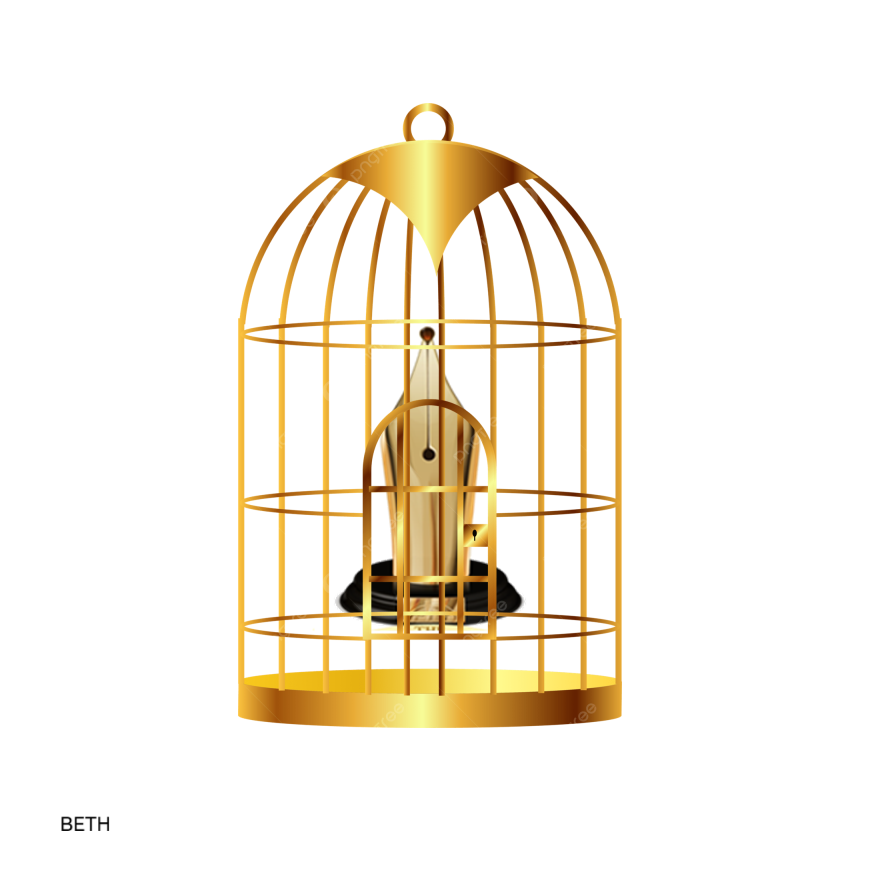
“Freedom with Conditional Eyes”
or
“Media That Thinks It’s Free”
✍️ By Abdullah Al-Umairah
In Western media, freedom is often sanctified — sometimes even idolized — yet in reality, it is far from the absolute freedom it claims to be.
While American and European outlets boast of speaking truth without restraint, much of their coverage of Arab affairs — particularly Saudi Arabia — remains shaped by ignorance of facts, inherent bias, or outdated stereotypes that no longer reflect reality.
American media usually operates from the logic of “the narrator, not the reality.”
It tells stories through its own ideological and political lens, not through the human or factual dimension.
So, when it reports on change in Saudi Arabia, it sees it as “an astonishing exception,” rather than a natural phase of progress.
Their astonishment is not admiration — it is the surprise of those who thought they owned awareness itself.
European media, meanwhile, uses a more polite tone but follows the same underlying pattern.
It portrays the “Saudi transformation” as a cosmetic adjustment, not as an institutional renaissance.
Its economic analyses are detailed, but it often skims over the intellectual and social evolution, because such progress simply does not fit the preconceived Western image of the East.
In Asia, the picture shifts slightly.
Chinese and Japanese media appear more measured and respectful, yet their freedom is not defined by Western standards.
It is disciplined media — reflecting state vision, but paradoxically often more truthful about reality than some Western outlets that claim neutrality.
It doesn’t attack, but it doesn’t step beyond the “permitted frame” either.
The result is clear: media freedom is never universal.
It bends to power, public mood, and narrative control.
When freedom fails to serve truth, it becomes a tool of deception under a noble name.
And when ignorance or cultural prejudice fuels reporting, freedom loses its moral essence — turning instead into a subtle chain around awareness.
Spark
Freedom is not measured by what is said,
but by what is silenced.
In a world where truth competes with noise,
the silent who understands…
may be freer than the clamor that believes itself a prophet of truth.
🇫🇷 La liberté dans les médias occidentaux… une cage qui brille
« Une liberté sous condition »
ou
« Un média qui se croit libre »
✍️ Par Abdullah Al-Umairah
Dans les médias occidentaux, la liberté est souvent sacralisée — parfois même idolâtrée — mais en réalité, elle est loin d’être absolue.
Alors que les médias américains et européens prétendent exprimer la vérité sans contraintes, une grande partie de leur couverture du monde arabe — et en particulier de l’Arabie saoudite — reste influencée par l’ignorance, les préjugés, ou les stéréotypes anciens qui ne reflètent plus la réalité.
Les médias américains racontent les faits selon leur propre narration politique et idéologique, non selon la vérité humaine.
Ainsi, le changement en Arabie saoudite est souvent perçu comme une « exception étonnante », plutôt qu’une évolution naturelle.
Cette étonnement n’est pas de l’admiration, mais la surprise de ceux qui croyaient détenir la conscience du monde.
Les médias européens sont plus polis, mais pas très différents dans le fond.
Ils traitent la « transformation saoudienne » comme un embellissement, non comme une renaissance institutionnelle.
Leur regard économique est précis, mais ils ignorent souvent la transformation intellectuelle et sociale, car elle ne correspond pas à leur image préconçue de l’Orient.
En Asie, le tableau est différent.
Les médias chinois et japonais se montrent plus mesurés et respectueux, mais leur liberté n’est pas définie selon les critères occidentaux.
C’est une liberté disciplinée, fidèle à la vision de l’État, mais parfois plus honnête sur la réalité que certains journaux occidentaux.
Au final, la liberté des médias n’est pas universelle.
Elle varie selon les intérêts, le pouvoir et le récit dominant.
Quand la liberté ne sert plus la vérité, elle devient un outil de désinformation au nom d’un idéal noble.
Et lorsque l’ignorance ou le préjugé culturel dominent, la liberté perd son essence morale — et devient une chaîne invisible autour de la conscience.
Étincelle
La liberté ne se mesure pas à ce qui est dit,
mais à ce qui est tu.
Dans un monde où le bruit étouffe la vérité,
le silence du sage est parfois plus libre
que le vacarme de ceux qui croient être les prophètes de la vérité.
🇩🇪 Freiheit in westlichen Medien… ein glänzender Käfig
„Freiheit mit Bedingungen“
oder
„Medien, die glauben, frei zu sein“
✍️ Von Abdullah Al-Umairah
In den westlichen Medien wird Freiheit oft vergöttert – manchmal bis zum Götzenkult.
Doch in Wirklichkeit ist sie alles andere als absolut.
Während amerikanische und europäische Medien behaupten, ohne Einschränkungen die Wahrheit zu sagen, wird ihre Berichterstattung über die arabische Welt – insbesondere über Saudi-Arabien – meist durch Unwissenheit, Voreingenommenheit oder veraltete Stereotype bestimmt.
Die amerikanischen Medien erzählen die Geschichte aus der Perspektive des Erzählers, nicht der Realität.
Sie betrachten den Wandel in Saudi-Arabien als „erstaunliche Ausnahme“, nicht als natürliche Entwicklung.
Das Erstaunen ist weniger Bewunderung als vielmehr die Überraschung derer, die glaubten, das Bewusstsein zu besitzen.
Die europäischen Medien sprechen höflicher, doch das Denken bleibt ähnlich.
Sie behandeln den „saudischen Wandel“ wie ein ästhetisches Facelift, nicht wie eine institutionelle Renaissance.
Sie analysieren die Wirtschaft, übersehen aber oft den sozialen und kulturellen Wandel, weil er nicht in ihr westliches Bild vom Osten passt.
In Asien ist das Bild anders.
Die chinesischen und japanischen Medien sind disziplinierter und respektvoller, ihre Freiheit definiert sich anders.
Sie spiegeln die Vision des Staates wider, sind aber oft ehrlicher in der Darstellung der Realität als manche westlichen Zeitungen, die sich neutral nennen.
Am Ende ist Medienfreiheit nie universell.
Sie hängt von Macht, Interessen und Narrativen ab.
Wenn Freiheit nicht der Wahrheit dient, wird sie zu einem Werkzeug der Täuschung mit edlem Anschein.
Wenn Ignoranz und kulturelle Vorurteile die Berichterstattung bestimmen, verliert Freiheit ihre moralische Bedeutung – und wird zu einer unsichtbaren Fessel des Bewusstseins.
Gedanke
Freiheit misst sich nicht an dem, was gesagt wird,
sondern an dem, was verschwiegen bleibt.
In einer Welt, in der Lautstärke Wahrheit verdrängt,
ist der schweigende Wissende oft freier
als der Lärm, der sich für die Stimme der Wahrheit hält.
🇮🇹 La libertà nei media occidentali… una gabbia che luccica
« Libertà con condizioni »
oppure
« Media che credono di essere liberi »
✍️ Di Abdullah Al-Umairah
Nei media occidentali, la libertà è spesso venerata — a volte idolatrata — ma non è mai assoluta.
Mentre i media americani ed europei affermano di dire la verità senza restrizioni, gran parte della loro copertura sul mondo arabo — e in particolare sull’Arabia Saudita — è ancora influenzata da ignoranza, pregiudizi, o stereotipi obsoleti.
I media americani raccontano le storie dal punto di vista del narratore, non della realtà.
Vedono il cambiamento in Arabia Saudita come un’«eccezione sorprendente», invece di una naturale evoluzione.
Lo stupore non è ammirazione: è lo stupore di chi pensava di possedere la coscienza del mondo.
I media europei sono più garbati, ma la sostanza non cambia.
Parlano della “trasformazione saudita” come di un ritocco estetico, non come di una rinascita istituzionale.
Le loro analisi economiche sono precise, ma trascurano spesso l’evoluzione sociale e culturale, perché non corrisponde all’immagine prefissata dell’Oriente.
In Asia, l’immagine è diversa.
I media cinesi e giapponesi appaiono più rispettosi e disciplinati, ma la loro libertà non segue i criteri occidentali.
Riflettono la visione dello Stato, ma sono spesso più sinceri nel raccontare la realtà di molti media occidentali che si definiscono neutrali.
In conclusione, la libertà dei media non è universale.
Cambia a seconda di interessi, potere e narrativa dominante.
Quando la libertà non serve la verità, diventa uno strumento di inganno con un volto nobile.
E quando l’ignoranza o il pregiudizio culturale alimentano il racconto, la libertà perde la sua essenza morale — diventando una catena invisibile per la coscienza.
Bagliore
La libertà non si misura da ciò che viene detto,
ma da ciò che viene taciuto.
In un mondo dove il rumore copre la verità,
il silenzio di chi comprende
è più libero del clamore di chi si crede profeta della verità.