


The Attack on Qatar… A New Test for Trust and Peace
Prepared and Analyzed by the Strategic Media Department – BETH
🔹 Introduction
The recent Israeli attack on Qatar was not a passing incident, but a political crime that shook the region and raised profound questions about the future of peace, and about the true balance of power and the strategic relations between the Gulf and the United States.
🔹 Peace at Risk
How can an event of this magnitude convince public opinion of the value of peace negotiations if the sovereignty of a Gulf state can be violated so easily?
Peace becomes more fragile: how can Arab leaders persuade their peoples of peace while the sovereignty of a Gulf state is being trampled?
Unless there is a dramatic shift in Israel’s policies—a highly unlikely scenario under the current government of hostility and recklessness.
🔹 Gulf–US Trust
It is impossible for such an attack to take place without American intelligence awareness.
Where is Al-Udeid Air Base? Where are the defense agreements?
Is the historic reservoir of trust being depleted?
What is the impact of the attack on Gulf–US relations?
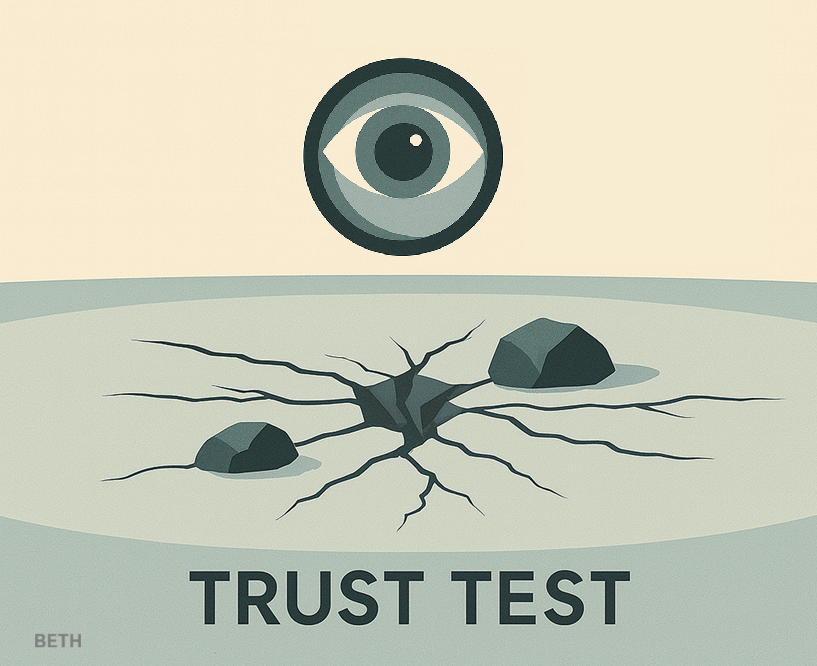
Trust is cracking: if Washington was unaware, it is an intelligence failure.
If it was aware, it is a moral crisis—and perhaps a political one that strikes at the heart of the alliance.
🔹 Hamas Between Qatar and Turkey
The direct question: Is the presence of Hamas leaders in Qatar under Washington’s knowledge?
If so, the US is an implicit partner.
If not, then ignorance is more dangerous than their presence itself.
Why were they not targeted in Turkey—their broader and more public base?
Because Turkey is a NATO member, and targeting it could trigger a larger confrontation.
Qatar is the weaker link, politically more vulnerable.
What does Turkey’s continued role as a proxy mean?
Turkey has long been known for tacit understandings with Israel since the early days of the Jewish state.
It leverages its “proxy” role, collecting influence without being directly hit.
This raises a bigger question: what does hosting Muslim Brotherhood and Hamas figures in Turkey signify?
🔹 The Gulf Between Self-Reliance and Alliances
Does this incident push for rethinking an independent Gulf security system?
It could mark the beginning of serious consideration of a Gulf security framework less reliant on external alliances.
Could this be the start of a stricter Gulf policy toward foreign aggression?
Israel faces two options:
Security through peace.
Or the risk of Arab collective resistance if red lines continue to be crossed.
🔹 Qatar and the Arabs’ Response
Will Qatar respond militarily or politically?
Most likely, the response will be political and diplomatic, mobilizing international opinion.
Will Arabs stand against Israel’s recklessness?
Or will the scene remain confined to condemnations and statements?
The answer will shape the future of the Arab stance as a whole.
🔹 Analytical Conclusion
This event is bigger than a military strike.
It is a test of peace, of trust, and of the Gulf’s strategic choices.
Answers are not written in conferences or communiqués, but in building a new security framework:
Will the crack turn into a rupture?
Or into a moment of deep reassessment that changes the rules of the game?
❓ Question in the Public Arena
Why does Qatar always find itself in roles larger than its size—roles that drag it into the risks of Hamas, the Muslim Brotherhood, and the terror networks sponsored by some states, ignored by others, and exploited by third parties?
Is this a choice, or an obligation for a state that cannot defend itself?
💡 Answer (brief):
Qatar is not compelled, but it wagers on “playing among the big powers” as a means of protecting its existence.
Yet betting on cards larger than one’s hand may grant momentary influence—but it leaves the fingers burning all the time.
🔹 Final Note
Israel manipulates and maneuvers, showing strength while hiding fragility.
Arrogance may have blinded it, but silence around it is not fear.