


Arabs: Land of Prophets and Questions of Civilization
Prepared and Analyzed by: Strategic Media Department – BETH
Supervision: Abdullah Al-Amirah
Introduction
In the heart of the geography where the great religions were born, Arabs stand before profound questions that do not concern their history alone but the consciousness of humanity as a whole. Why was this land the cradle of prophets? How did humanity respond to the messages? And are we today at the threshold of a new cycle that could restore the region’s role in leading civilization?
1. Why did God choose this region?
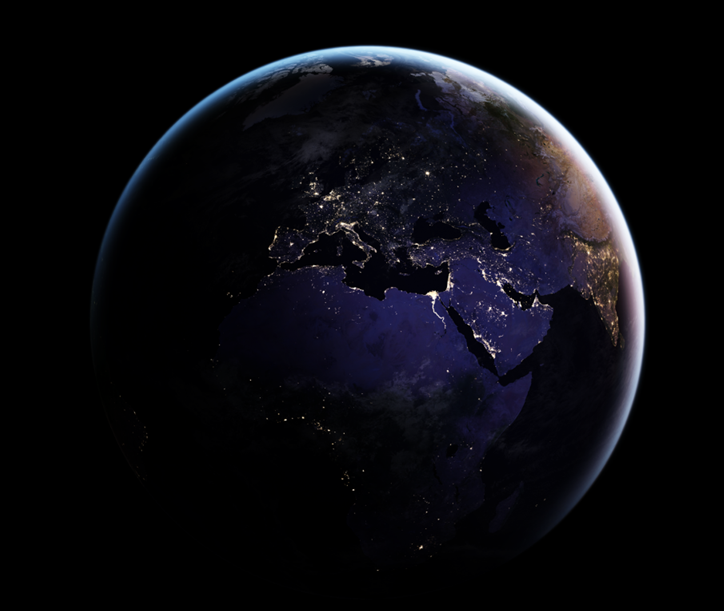
The choice of Arabia, the Levant, and Palestine as the cradle of revelation was no geographical coincidence. This land was the crossroads of trade and migration, the stage of early civilizations. Here, Asia meets Africa, and the Mediterranean touches the Arabian Gulf—a location that made the message capable of spreading both East and West.
2. The impact of religions on humanity
The three Abrahamic religions (Judaism, Christianity, and Islam) reshaped not only worship but also systems of values: justice, mercy, equality, and solidarity. From Moses who brought the written law, to Jesus who preached love, to Muhammad ﷺ who completed the message with unity and universal law.
3. Were civilizations only here?
Civilizations emerged in many places: China, the Nile Valley, the Indus Valley, Mesopotamia. But the Arab region was unique—it combined material civilization (like the Canaanites, Arameans, and Nabataeans) with the spiritual revelation that changed human consciousness.
4. Were prophets sent only to tyrants?
Prophets were not sent only to confront tyranny but to awaken humanity. Yes, this region had pharaohs and kings, but it also had reflective peoples capable of understanding and transmitting the message to the world.
5. Arabs between toughness and intellect
The peoples of the region were not merely warriors. They were eloquent, experienced, and merchants crossing continents. They had resilience for survival and intelligence for comprehension—a mix that made them worthy of carrying revelation and spreading it worldwide.
6. Why did Muslims rise first?
In the early centuries, Muslims combined spirit (revelation) and mind (knowledge), justice (law) and power (expansion). They translated Greek sciences, opened the doors of knowledge, and laid the foundation for Europe’s Renaissance. Weakness only came when they separated from their essence: knowledge and justice together.
7. Will Muslims lead again?
History moves in cycles. What some call the “decline of the West” may foreshadow the rise of a new civilization. Muslims today face a choice: remain receivers—or reclaim their role as contributors of a new human model balancing spirituality and modernity.
8. The West: between war and construction
The West built its modern civilization on industry and science, but exhausted itself through wars: two World Wars, colonialism, and proxy conflicts. The mindset that sees military power as a tool of dominance may carry the seeds of its own decline. Meanwhile, construction and peace are the language of the future.
9. Peoples of peace, not war
If God sent most of His prophets in this land, it is proof that its peoples are inherently peoples of peace—carriers of a predisposition for goodness. War is not their identity; peace is.
10. Peace and construction… war and the satanic mindset
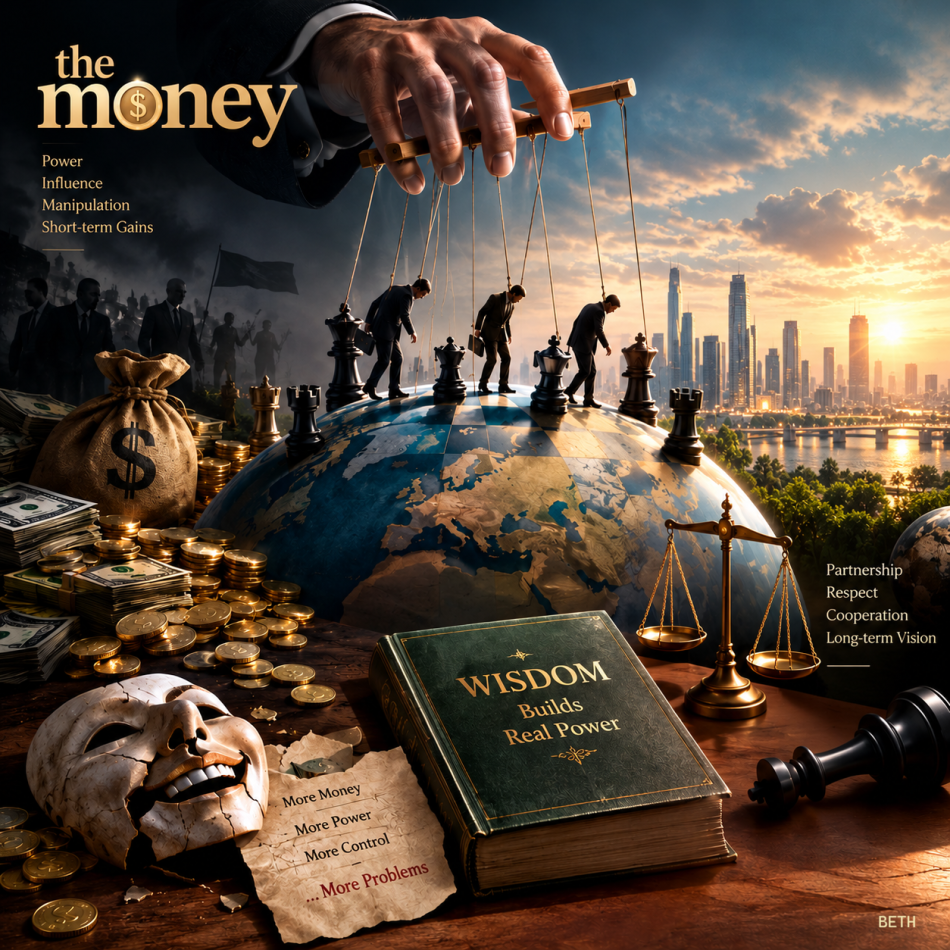
Peace is not weakness—it is the condition for building. War, by contrast, reflects a satanic mindset that destroys rather than creates. Prophets came to tell humanity: construction is the path of eternity, while war is the path of extinction.
11. The common denominator among humanity
Despite differences of language, religion, and race, the common denominator among human beings is the search for meaning. Since the dawn of time, humanity has asked: Where did we come from? Why are we here? Where are we going? These questions unified humanity and made revelation not just a divine command but a human necessity.
Two stories from reality
First story: Islam and reality
American preacher Yusuf brought a group of new American Muslims to visit Islamic countries—Indonesia, Pakistan, Iran, Egypt, Turkey, Morocco—before performing Umrah in Makkah. Upon returning, they said: Had we visited before embracing Islam, we might not have converted… but Umrah made us feel the greatness of Islam.
Second story: A painful question
An Azhar sheikh invited to lecture on Islam in the US—about honesty, trust, cleanliness, and ethics. Before departure, he told his companion: I fear they will ask me one question after my lecture: If Islam is like this… why are you Muslims like that?
BETH Commentary
This land—the Arab land—is the cradle of revelations and the questions of civilization. And today it faces a historic opportunity: to prove that the peoples who gave the world its prophets can also give it a new future of peace and construction.
🔗 Reference:
This report comes as a continuation of our previous analysis:
Arabs: Land of the First Faith and the Future of Culture