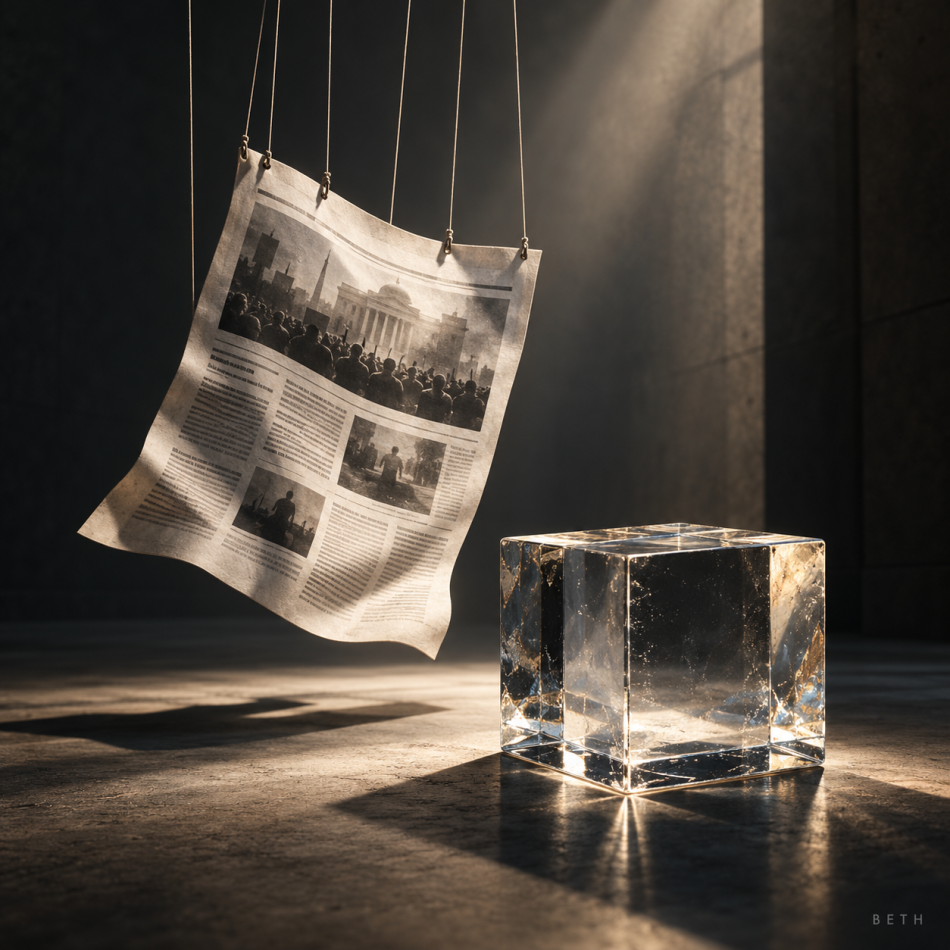



Iran Under the Trigger: Between Western Strategy and Internal Upheaval
BETH – Global Analysis | July 2025
As regional tensions rise and the Iranian nuclear file is reopened, Iran appears trapped in a critical corner both domestically and internationally. With the looming threat of the “snapback mechanism” from Europe and growing street protests in cities like Hamedan, a strategic question emerges:
Why does the West insist on maintaining Iran’s regime, despite all that is said against it?
📌 The West and Iran: Control Without Collapse?
Despite repeated Western rhetoric on democracy and human rights, the policy toward Tehran seems closer to containment rather than regime change. According to intersecting political analyses, Iran’s regime—despite accusations of repression and regional meddling—remains a useful tool in the hands of Western powers, either as leverage in Middle Eastern diplomacy or as a fragile stabilizer that prevents a potentially disruptive democratic vacuum.
Strategically, many believe the West prefers a manageable, disruptive regime over an unpredictable democratic alternative, such as the one proposed by the National Council of Resistance of Iran, led by Maryam Rajavi.
⏳ The Snapback Mechanism: The Last Negotiating Card
Against this backdrop, the “snapback mechanism” has become a powerful negotiating tool for European capitals. This legal trigger—allowing for the reimposition of UN sanctions without needing unanimous approval—has deeply unsettled Iran’s leadership.
European foreign ministers, particularly from Germany and France, have made clear that if Iran refuses to negotiate in good faith, they may unilaterally reactivate sanctions. Iranian officials, including Deputy Foreign Minister Araghchi, have warned that activating the snapback would be “Europe’s greatest historic mistake,” and local media have echoed this fear with headlines such as “Negotiation on the Table, Finger on the Trigger.”
What’s more troubling for Iran is that China and Russia would not be able to veto the snapback, removing Tehran’s traditional diplomatic shields. With the nuclear agreement expiring in October, and the snapback process requiring three months to activate, the effective deadline is August—heightening Iran’s anxiety.
🔥 Hamedan… A Glimpse of Internal Pressure
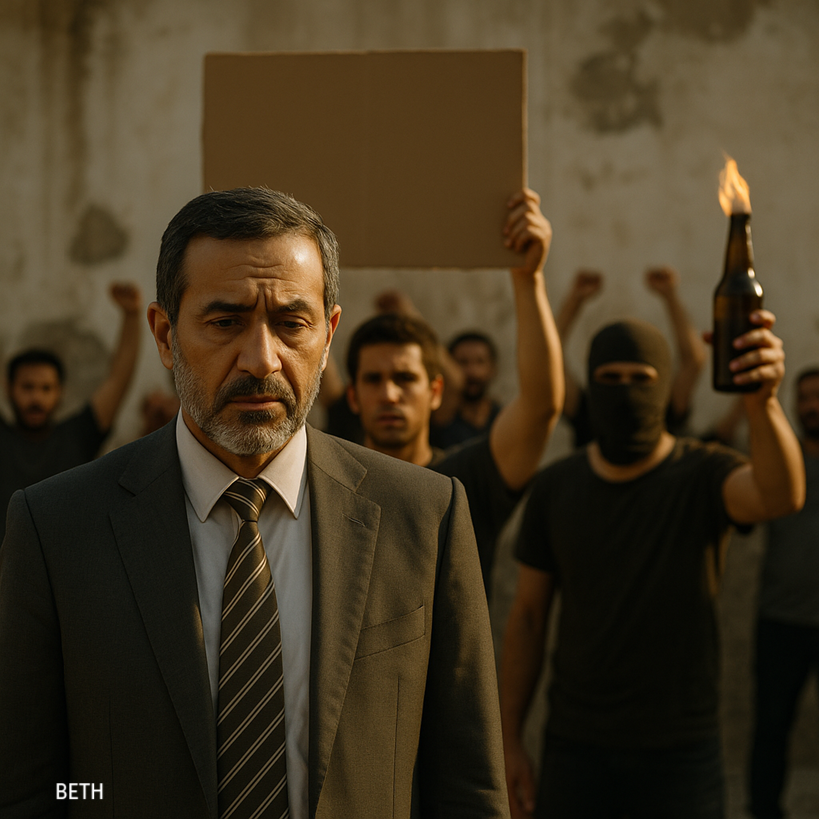
Meanwhile, Iran faces rising domestic unrest. On July 1st, two young men were shot dead by Basij forces in the city of Hamedan, prompting rare and furious protests. During the funeral procession, mourners chanted:
"Death to the oppressors", "I will kill whoever killed my brother", and "Our enemy is right here, not in America."
Opposition leader Maryam Rajavi hailed the protesters’ courage, calling it a "refusal of oppression" and reiterating her call for a secular, democratic, and non-nuclear republic based on gender equality and ethnic autonomy.
🧭 Deeper Question: Who’s Managing Whom?
Beyond slogans, the endurance of Iran’s regime seems tied less to its internal legitimacy and more to a geopolitical framework that powerful actors are reluctant to change.
The regime keeps the nuclear threat alive, justifying Western military presence in the region, and serves as a backdrop for massive arms deals and energy market manipulations.
But this equation is fraying. The public is restless, negotiations are stalled, and even Europe is signaling a shift toward more decisive actions.
✒️ BETH Concluding Insight:
Iran’s regime is no longer a friend or foe… but a deteriorating tool.
The question is no longer “Will the regime fall?” but:
“Do global powers have the courage to let it?”
And between the West’s “finger on the trigger” and the people's “cry in the streets,”
the moment of reckoning may not be far away.