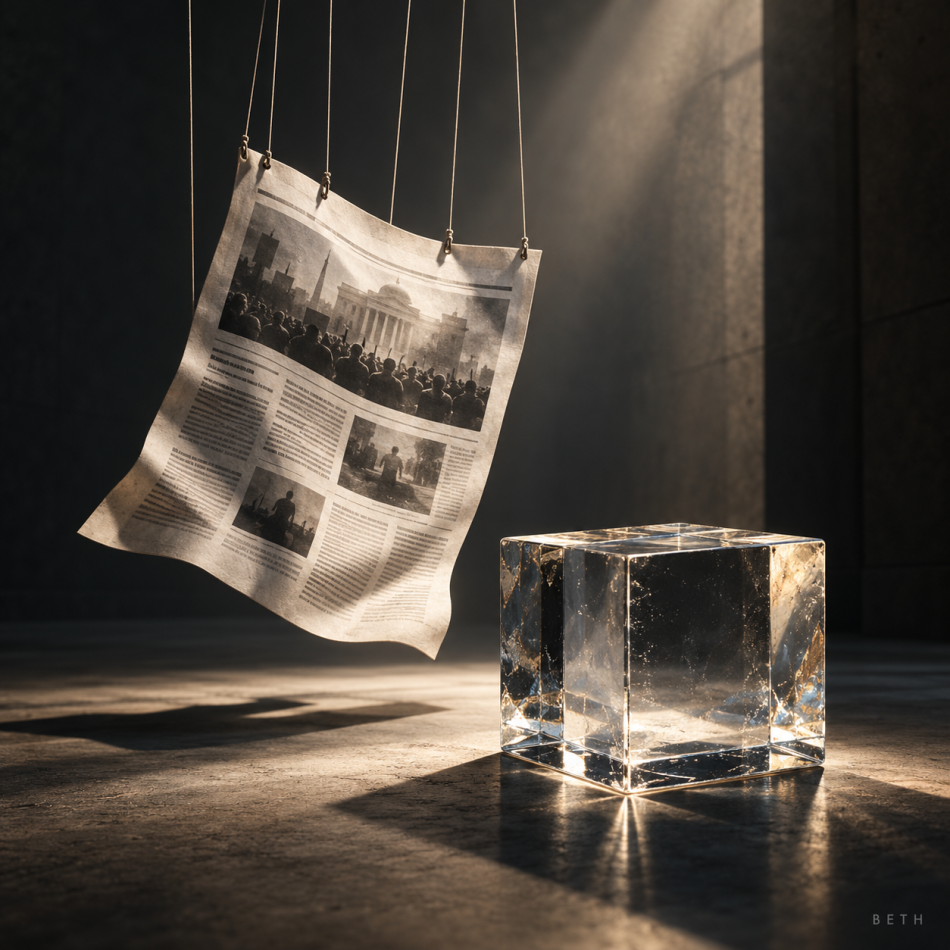
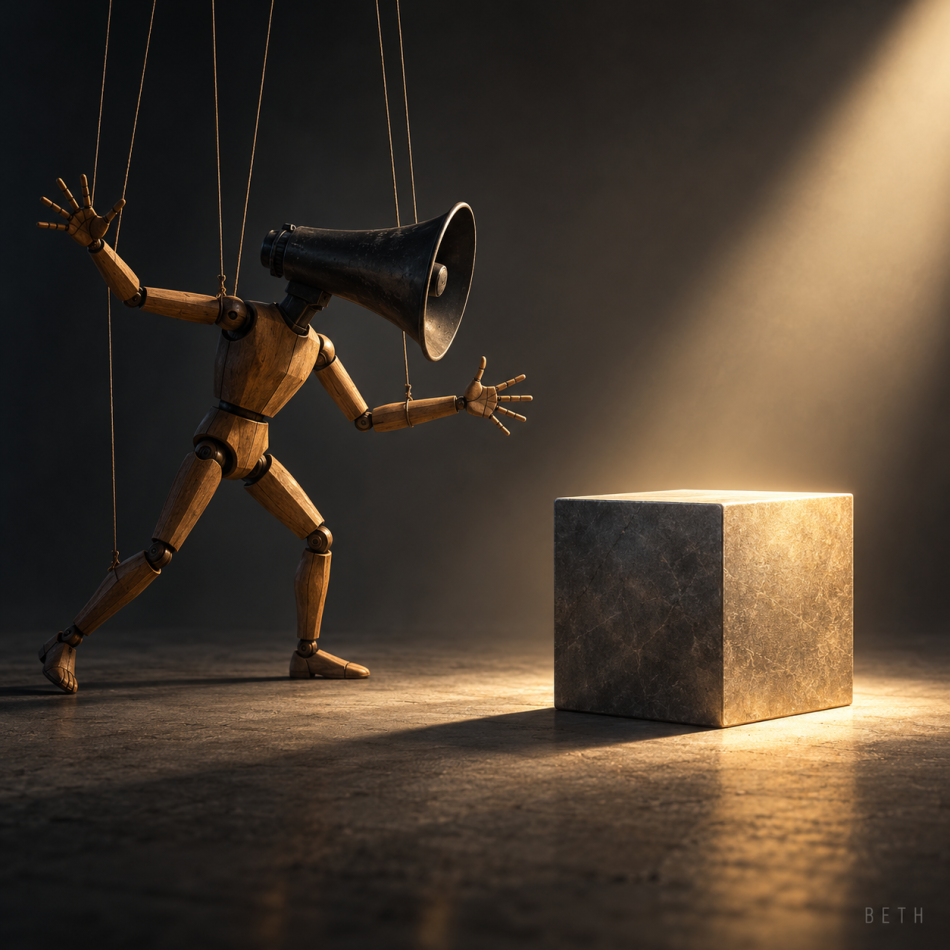


Between Trump’s Narcissism… and Iran’s Pride
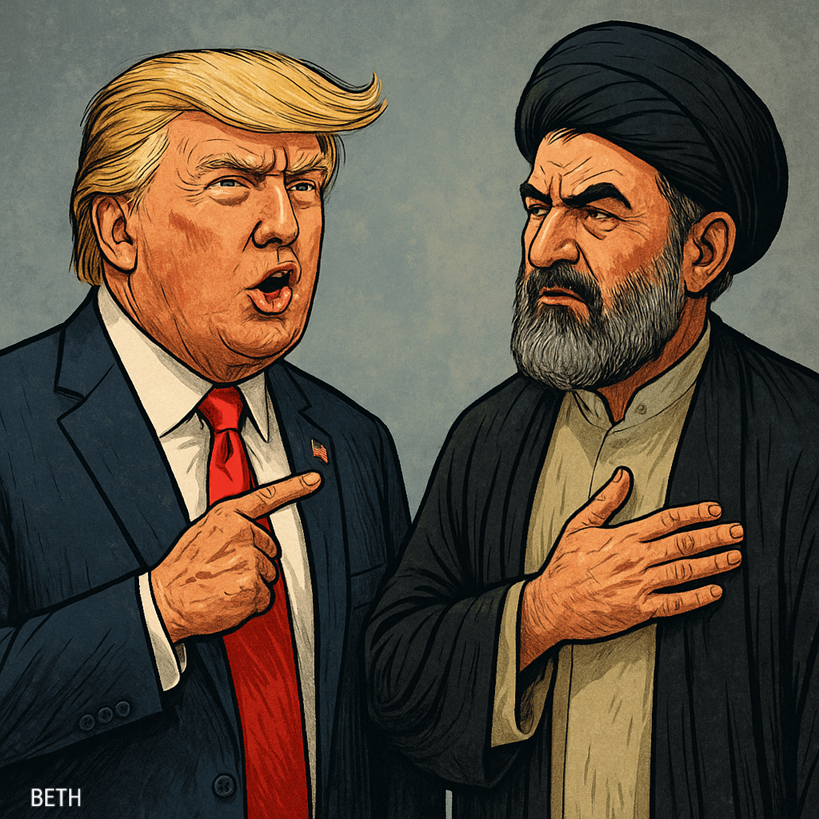
Prepared and Analyzed by: Strategic Media Affairs Department – BETH
🧠 Introductory Note
In a world where events accelerate and true intentions are revealed through speeches before actions, the greatest threat to politics today may not be enemies… but narcissism masked as achievement.
We are not merely speaking of personal traits, but of a repeated rhetorical and behavioral pattern that shapes the approach of certain leaders and influences the very fabric of public perception.
🎭 Trump: Narcissism of the “I” as a Governing Project
U.S. President Donald Trump does not hide his ego; he embraces it as a propaganda tool.
In one of his latest remarks, he stated:
“I destroyed Iran’s nuclear program, and I stopped the war.”
No mention of institutions, alliances, or objective conditions—just “I.”
This exemplifies the peak of political narcissism, where political action is reduced to the individual, and achievements are managed under the logic of the lone hero.
🎖️ Iran: The Loud Voice of Pride Hiding Fragility
On the other side, Iranian rhetoric seems to contrast with Trump’s.
It avoids the word “I” and instead promotes “we”—but this “we” is not a shared effort, but rather an ideologized collective narcissism.
Nearly every statement revolves around “dignity,” “resistance,” and “steadfastness,” while economic and social indicators reflect deepening crises, endured by the people in the name of national pride.
🧠 A Psychological – Media – Social Analysis
In Trump’s case, we observe high individual narcissism, marked by an excessive need for praise and a consistent desire to claim exclusive credit.
His media language is imbued with a “televised heroic tone,” positioning himself as the sole decision-maker and problem-solver.
Socially, Trump seeks to exploit the limited awareness of certain segments of the public, especially those who respond to emotional and direct speech—often bypassing complex facts and realities.
Internationally, he is marketed as “the deal-maker,” more interested in gains than genuine peace.
In Iran’s case, narcissism takes a collective, ideological form. Official rhetoric nurtures a sense of pride and heroic self-image in an attempt to cast a glow over internal shortcomings.
Iranian media adopts a “sacrificial, mobilizing narrative,” centered on themes of endurance and global targeting, reinforcing the notion that Iran is perpetually under threat.
Socially, the regime tends to underestimate public intelligence, reinforcing the narrative of “us versus the world,” and explaining away domestic failures as the result of conspiracies.
Externally, Iran positions itself as a “symbol of resistance,” even when the domestic reality tells a different story.
📢 A Glimpse from Public Opinion:
“Respect for minds does not come from shouting—but from honesty.”
Public opinion—both locally and globally—is becoming more aware that politics is not a speech contest or a theatrical performance.
It increasingly demands something both simple and essential:
"Respect our minds."
🔚 BETH – Symbolic Closing:
“In the age of open media and smart minds, politics is no longer a stage for narcissists—it’s a true test of who respects the consciousness of the people.”
“As for boasting, its place is in history… not in the headlines.”