



Israel – Iran (Day 12)… A Ceasefire Begins with a Breach, and Tehran Denies
BETH – Special Analysis
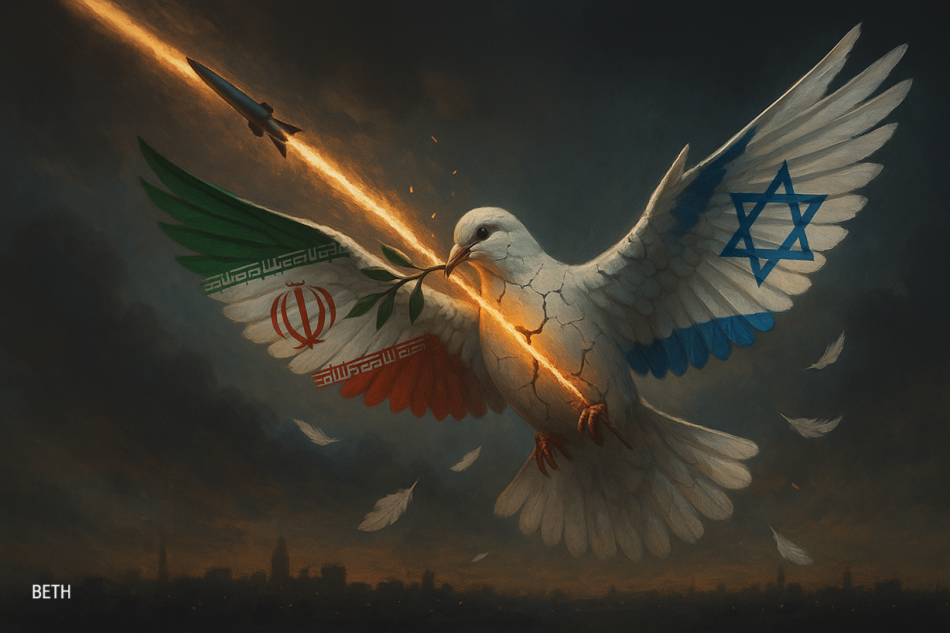
Just hours after U.S. President Donald Trump announced a ceasefire agreement to halt the war between Israel and Iran following 12 intense days of escalation, the calm quickly crumbled before it could take hold.
Iran launched a barrage of rockets toward Israel, which Tel Aviv described as a "clear violation of the ceasefire." Israel’s Defense Minister declared he had ordered the army to respond forcefully to the breach.
🔻 Mixed Signals from Tel Aviv:
IDF spokesperson Efi Dvivrin stated that “the threat remains,” despite the government's official approval of Trump’s ceasefire proposal. He added that the Chief of Staff instructed the military to remain on high alert and prepared to respond to any further escalation.
💥 BETH Analysis:
The Iranian breach, coming just hours after the U.S. announcement, may carry deliberate signals—either to test the Israeli-American response or to enforce a stronger field equation before any permanent settlement.
Israel now stands between two choices:
A limited response to contain the breach—or exploiting it as a pretext to resume operations aggressively.
This event suggests that the ceasefire remains fragile and unlikely to hold unless reinforced by credible guarantees from all parties involved.
Who Fired the Rocket?… As Tehran Denies, the Sky Still Burns
BETH Analysis:
Tehran’s swift denial following the rocket strikes and accusations of truce violations raises several possibilities:
🔹 Political Evasion:
The denial might be an attempt to deflect international pressure and avoid direct blame for breaking the ceasefire, especially since the truce is tied to a U.S.-backed initiative.
🔹 Proxy Warfare in Play:
It’s possible that militias affiliated with Iran carried out the strike—either independently or loosely coordinated—while Tehran maintains plausible deniability. This is a hallmark of Iran’s traditional proxy warfare strategy.
🔹 A Third Party’s Hand?
A separate actor—regional or external—may be attempting to sabotage the truce, whether by launching an actual rocket or igniting accusations, in order to derail any de-escalation effort.
Closing Thought:
In gray wars… it's not about who fires first, but who survives the consequences.