


Iran: From Foundation to Fate — Who Draws the Map, and Who Capitalizes?
Special Analytical Report – BETH
Analytical Introduction
In the heart of Middle Eastern geopolitics, Iran stands as a complex model of domination, manipulation, and long-standing power struggles among Western actors. The clerical regime that has ruled since 1979 was not merely the result of a popular uprising—it emerged as part of a broader scheme, outlined behind closed doors in the West. Propelled to the forefront through religious discourse and revolutionary slogans, this regime masks a deeper conflict over influence, wealth, and geostrategic balance—rooted in pre-revolution politics and intertwined with French, American, and Israeli roles.
1. The Foundation – How Did the Current Iranian Regime Come to Power?
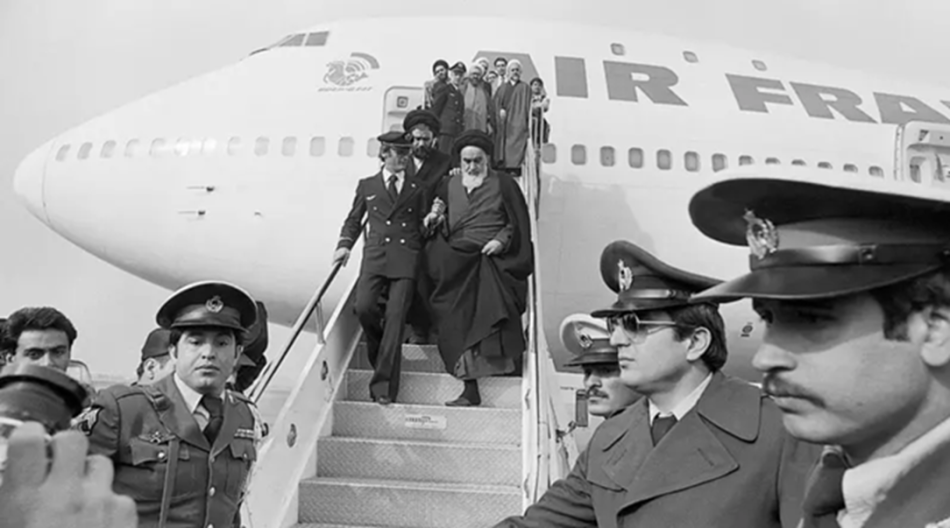
The Iranian Revolution of 1979 saw widespread public support against Shah Mohammad Reza Pahlavi, long perceived as a loyal U.S. ally. Yet as classified documents and subtle diplomatic maneuvers have surfaced, it is increasingly evident that France—particularly its intelligence services—played a pivotal role in hosting Ayatollah Khomeini and providing him with a safe, strategic platform in Neauphle-le-Château, near Paris.
Khomeini was marketed not merely as a clerical leader, but as a political alternative capable of restoring balance after the Shah’s fall. In that moment, France leveraged its historical weight in the region to help shape a new system—embodying the adage: “France draws, America invests.”
2. France – From Refuge to Laboratory
France’s hosting of Khomeini was not a mere gesture of political asylum. It was a calculated move to craft a new ideological front, restoring Western influence after losing grip on the Shah. Failing in direct colonial retention, France shifted toward soft-power mechanisms—exporting intellectual and religious elites shaped for political reconfiguration.
France’s goals were not ideological but strategic: break U.S. monopoly in the Gulf, use Shiite clericalism as a conduit into Central Asia, and challenge traditional Sunni dominance. Here lies the root of the covert divergence between Paris and Washington: the former sought a manageable regime, while the latter aimed for an exploitable one.
3. The United States – From Containing the Revolution to Profiting from It
As the U.S. feared losing Iran, it quickly adapted to exploit the chaos. The Iran-Contra affair (Iran–Iraq War) is a prime example of this indirect support. The U.S. does not excel in long-term planning—but it masters “riding the wave.” The radical posture of the Iranian regime gave America a long-lasting justification for military presence in the region—framed as a safeguard against “the Iranian threat.”
Thus emerged the phrase:
“France draws, Israel plans, America capitalizes.”
But—is that an accurate summary?
4. Reexamining the Maxim – And the Consequences of Failure
While that saying may dominate political commentary, its practical outcomes are often disappointing:
The Iranian model produced a defiant, erratic entity—uncontrollable and unpredictable.
France lost its strategic compass in Tehran, while Washington entangled itself in the theory of the “necessary enemy.”
Israel, despite meticulous planning, now faces an expanding axis stretching from Beirut to Baghdad to Sana’a.
Repeated failure to harvest success does not mean the crop was accidental—it means the soil was misread. That brings us back to a more fundamental question: tools and methodology.
5. Are the “Protocols of the Elders of Zion” Operating Behind the Curtain?
This controversial document continues to stir debate. Many scholars deem it a forgery—crafted by Russian imperial forces to justify oppression against Jews. However, parts of its strategic content—such as infiltrating finance and media—resonate with today’s realities.
The more critical question is not whether the document is authentic, but:
Do certain forces operate according to its logic?
6. Who Designs the Agents… and Who Writes Their Endings?
Modern imperialism requires no armies. It manufactures local elites that function within a plan—elevated, legitimized, then discarded when disobedient. This has occurred across Africa and Latin America.
The clerical regime in Iran is no exception. It was designed as a revolutionary force but evolved into a channel for exporting violence and ideology—until it became an “inconvenient ally,” even for those who once empowered it.
7. Has the World Changed, or Do We Still Follow the ‘Lemon Theory’?
Despite the opening of minds and markets, the “squeeze and discard” model remains intact in the mindset of deep states. While the tools have evolved—from military occupation to digital and economic leverage—the philosophy remains: extract to the last drop.
The “mullahs” were positioned as the face of a revolution, but their room for maneuver has since narrowed. Today, they are fractured instruments. The revolution is no longer exported; instead, terror is exported in its name—perhaps to justify a looming takedown.
BETH Closing Commentary
The Iranian regime was not born in a vacuum—it was crafted in grey rooms. But those who draw beginnings seldom control the endings.
Now, this regime stands before a hard truth:
Is it still an instrument? Or has it become a burden to its creators?
And is what we witness today the beginning of an end—scripted long ago?
____________________
L’Iran : De la fondation aux conséquences — Qui trace les lignes ? Qui en profite ?
Rapport analytique spécial – BETH
Introduction analytique
Au cœur de la géopolitique du Moyen-Orient, l’Iran se distingue comme un modèle complexe de domination, de manipulation et de luttes d’influence prolongées entre puissances occidentales. Le régime des mollahs, au pouvoir depuis 1979, n’est pas simplement né d’une révolution populaire : il fait partie d’un projet plus large, conçu dans l’ombre par des mains occidentales. Ce régime, porté par des discours religieux et des slogans révolutionnaires, dissimule un conflit plus profond sur l’influence, les ressources et les équilibres géostratégiques — dont les racines précèdent la révolution, et où s’entrelacent les rôles français, américain et israélien.
1. La fondation – Comment est né le régime actuel en Iran ?
La révolution iranienne de 1979 a vu une mobilisation massive contre le Shah Mohammad Reza Pahlavi, longtemps perçu comme un allié fidèle des États-Unis. Toutefois, à la lumière de documents déclassifiés et de manœuvres diplomatiques subtiles, il apparaît que la France — notamment ses services de renseignement — a joué un rôle déterminant en accueillant l’Ayatollah Khomeiny et en lui offrant une tribune stratégique dans la banlieue de Neauphle-le-Château, près de Paris.
Khomeiny n’a pas été présenté uniquement comme un chef religieux, mais comme un véritable leader politique capable de rétablir l’équilibre après la chute du Shah. La France a alors utilisé son poids historique dans la région pour façonner un nouveau système, suivant cette logique : « La France trace, l’Amérique investit. »
2. La France – Du refuge au laboratoire
L’accueil de Khomeiny ne fut pas un simple geste humanitaire, mais bien un calcul stratégique visant à reconstruire un front idéologique et à restaurer une forme d’influence indirecte. En perte de contrôle sur ses anciennes colonies, la France a misé sur l’exportation d’élites religieuses et politiques malléables.
L’objectif français n’était ni religieux ni idéologique, mais géoéconomique : briser le monopole américain dans le Golfe, utiliser la figure du clergé chiite comme passerelle vers l’Asie centrale, et concurrencer l’hégémonie sunnite traditionnelle. D’où un désaccord tacite avec Washington : la France voulait un régime contrôlable, les États-Unis un régime monnayable.
3. Les États-Unis – De la méfiance à la capitalisation
Alors que les États-Unis semblaient perdre l’Iran, ils ont rapidement cherché à exploiter le chaos. L’affaire Iran-Contra en est un exemple frappant. Washington n’excelle pas dans la planification à long terme, mais maîtrise l’art de « surfer sur la vague ». Le discours radical de Téhéran a offert aux États-Unis une justification durable pour maintenir une présence militaire régionale, présentée comme un rempart contre « la menace iranienne ».
C’est dans ce contexte qu’est née la formule :
« La France trace, Israël planifie, l’Amérique capitalise. »
Mais… est-ce une formule exacte ?
4. Relecture critique de la formule – Et des échecs annoncés
Malgré sa popularité dans l’analyse politique, cette formule connaît peu de succès concrets :
Le modèle iranien a généré un acteur imprévisible, indomptable.
La France a perdu sa boussole stratégique à Téhéran.
Washington s’est enfermée dans la logique de « l’ennemi nécessaire ».
Israël, malgré une planification précise, fait désormais face à un axe qui s’étend de Beyrouth à Bagdad en passant par Sanaa.
L’échec répété des récoltes ne signifie pas que les semailles furent accidentelles — mais plutôt que le terrain n’a pas été correctement évalué.
5. Les Protocoles des Sages de Sion – Une ombre en arrière-plan ?
Ce document controversé continue de faire débat. Nombre d’historiens le considèrent comme un faux, fabriqué par l’empire tsariste russe pour justifier l’oppression des Juifs. Pourtant, certains de ses axes — comme l’infiltration des sphères financières et médiatiques — trouvent écho dans le monde actuel.
La véritable question n’est pas : Le document est-il authentique ?
Mais bien : Des forces agissent-elles selon une logique similaire ?
6. Qui crée les agents… et qui écrit leur fin ?
L’impérialisme moderne n’a plus besoin d’armées. Il façonne des élites locales qui agissent dans un cadre imposé, reçoivent gloire et légitimité, puis sont écartées dès qu’elles s’écartent du plan. Ce schéma s’est vu en Afrique, au Moyen-Orient, en Amérique latine.
Le régime iranien n’échappe pas à cette logique : conçu pour être révolutionnaire, il est devenu vecteur de violence idéologique, puis un fardeau embarrassant, même pour ses parrains historiques.
7. Le monde a-t-il changé ? Ou reste-t-il fidèle à la théorie du citron ?
Malgré l’ouverture des esprits et la libéralisation des marchés, la vieille maxime « presse-le jusqu’à la dernière goutte, puis jette-le » reste d’actualité dans l’esprit des puissances profondes. Les moyens ont changé — de l’occupation militaire à l’hégémonie technologique — mais le principe reste identique : exploiter jusqu’à l’épuisement.
Les mollahs ont été propulsés à la tête de l’Iran comme vitrine de la révolution. Aujourd’hui, leur marge d’action s’est rétrécie. La révolution ne s’exporte plus — le terrorisme s’exporte en son nom… peut-être pour justifier, demain, un effondrement scénarisé.
Conclusion – BETH
Le régime iranien n’est pas né du néant — il a été pensé dans l’ombre.
Mais ceux qui dessinent le début ne maîtrisent pas toujours la fin.
Aujourd’hui, ce régime fait face à sa propre question existentielle :
Est-il toujours un outil utile ? Ou un poids mort pour ses créateurs ?
Et ce que nous observons actuellement… ne serait-ce pas le début de la fin, écrite dès le commencement ?
____________________
ایران: از تأسیس تا سرنوشت — چه کسی نقشه میکشد؟ چه کسی سرمایهگذاری میکند؟
گزارش تحلیلی ویژه – BETH
مقدمه تحلیلی
در قلب ژئوپلیتیک خاورمیانه، ایران بهعنوان مدلی پیچیده از سلطه، کنترل و کشمکشهای دیرینه میان قدرتهای غربی برجسته میشود. رژیم روحانی که از سال ۱۹۷۹ بر ایران حاکم است، صرفاً نتیجه یک انقلاب مردمی نیست؛ بلکه بخشی از صحنهای وسیعتر است که خطوط آن در اتاقهای بسته در غرب طراحی شدهاند. این رژیم با شعارهای مذهبی و انقلابی به پیش رانده شد، اما در عمق خود، نمایانگر نزاعی بر سر نفوذ، منابع و تعادلهای ژئوستراتژیک است — که ریشه در پیش از انقلاب دارد و با نقشهای فرانسه، آمریکا و اسرائیل در هم تنیده است.
۱. تأسیس – رژیم فعلی در ایران چگونه شکل گرفت؟
انقلاب ایران در سال ۱۹۷۹ با حمایت گسترده مردمی علیه شاه محمدرضا پهلوی آغاز شد، کسی که بهعنوان متحد وفادار آمریکا شناخته میشد. اما با فاش شدن اسناد و نقشهای دیپلماتیک پنهان، روشن شد که فرانسه – بهویژه سرویسهای اطلاعاتیاش – نقش کلیدی در میزبانی از آیتالله خمینی ایفا کردند و برای او بستری امن در نوفل لوشاتو در حومه پاریس فراهم ساختند.
خمینی تنها بهعنوان یک رهبر مذهبی معرفی نشد، بلکه بهعنوان گزینهای سیاسی برای پر کردن خلأ قدرت پس از سقوط شاه مطرح شد. در آن لحظه، فرانسه تلاش کرد با استفاده از نفوذ تاریخیاش در منطقه، نظامی جدید را طراحی کند — بر اساس این منطق: «فرانسه نقشه میکشد، آمریکا سرمایهگذاری میکند.»
۲. فرانسه – از پناهگاه تا آزمایشگاه
میزبانی خمینی، صرفاً اقدامی انساندوستانه نبود، بلکه یک طرح استراتژیک برای ساخت یک جبهه ایدئولوژیک جدید بود. فرانسه که در حفظ مستعمرات مستقیم خود شکست خورده بود، بهسمت مهندسی نفوذ غیرمستقیم از طریق صادرات نخبگان دینی و سیاسی رفت.
هدف فرانسه، ایدئولوژیک نبود؛ بلکه اقتصادی و استراتژیک بود: شکستن انحصار آمریکا در خلیج فارس، استفاده از عمامه شیعه بهعنوان پلی برای نفوذ به آسیای مرکزی، و به چالش کشیدن نفوذ سنتی سنی. از این منظر میتوان تضاد پنهان میان پاریس و واشنگتن را فهمید: اولی بهدنبال نظامی قابلکنترل بود، دومی بهدنبال نظامی قابلسودآوری.
۳. ایالات متحده – از مهار انقلاب تا بهرهبرداری از آن
در زمانی که آمریکا گمان میکرد ایران را از دست داده است، بلافاصله در پی بهرهبرداری از آشوب برآمد. حمایت غیرمستقیم از تهران در جنگ با عراق (ایران-کنترا) مثالی روشن است. آمریکا در برنامهریزی بلندمدت مهارت ندارد، اما استاد «سوار شدن بر موج» است. رادیکالیسم ظاهری رژیم ایران، بهانهای همیشگی برای حضور نظامی آمریکا در منطقه فراهم آورد — بهعنوان سپری در برابر «تهدید ایران».
در این میان، این جمله شکل گرفت:
«فرانسه نقشه میکشد، اسرائیل طراحی میکند، آمریکا بهرهبرداری میکند.»
اما آیا این جمله درست است؟
۴. بازنگری در جمله… و پیامدهای شکست
با وجود نفوذ این جمله در تحلیلهای سیاسی، نتایج عملی آن اغلب با شکست همراه بوده است:
مدل ایرانی، نهادی بیثبات و کنترلناپذیر تولید کرد.
فرانسه در تهران سردرگم شد، و واشنگتن خود را در نظریه «دشمن ضروری» محبوس کرد.
اسرائیل که به دقت طراحی میکند، اکنون با محوری گسترده از بیروت تا بغداد و صنعا روبهرو است.
تکرار شکست در برداشت، بهمعنای تصادفی بودن کشت نیست — بلکه زمین درست خوانده نشده بود.
۵. آیا «پروتکل بزرگان صهیون» پشت صحنه است؟
این سند جنجالبرانگیز همچنان موضوع بحث است. بسیاری از پژوهشگران آن را جعلی میدانند، ساخته امپراتوری تزاری روسیه برای توجیه سرکوب یهودیان. اما بخشهایی از آن – مانند نفوذ در اقتصاد و رسانه – با واقعیات امروز همپوشانی دارد.
سؤال اصلی این نیست که: آیا سند اصیل است؟
بلکه: آیا نیروهایی وجود دارند که طبق منطق مشابهی عمل میکنند؟
۶. چه کسی عوامل را میسازد… و چه کسی پایانشان را مینویسد؟
امپریالیسم مدرن نیازی به ارتش ندارد. نخبگانی محلی را میسازد که در چارچوب از پیشتعیینشده فعالیت میکنند، مشروعیت و شهرت میگیرند، و اگر نافرمانی کنند، سوزانده میشوند. این الگو در آفریقا، خاورمیانه، و آمریکای لاتین بارها دیده شده است.
رژیم ایران نیز استثنا نیست — طراحی شد تا انقلابی باشد، تبدیل شد به ابزار صدور خشونت و ایدئولوژی، و سپس به «رژیمی مزاحم» برای همانهایی که او را ساختند.
۷. آیا چیزی تغییر کرده؟ یا جهان همچنان بر اساس نظریه لیمو حرکت میکند؟
با وجود باز شدن ذهنها و بازارها، نظریه «فشار بده، سپس دور بینداز» هنوز در ذهن دولتهای پنهان زنده است. ابزارها عوض شدهاند — از اشغال نظامی به سلطه اقتصادی و فناورانه — اما اصل یکی است: تا آخرین قطره را بگیر.
«ملاها» بهعنوان چهره انقلاب نصب شدند، اما اکنون ابزارهایی فرسوده شدهاند. انقلاب دیگر صادر نمیشود — بلکه ترور بهنام آن صادر میشود… شاید برای توجیه سرنگونیاش در آینده.
جمعبندی – BETH
رژیم ایران در خلأ بهوجود نیامده — در اتاقهای خاکستری طراحی شده است.
اما آنکه آغاز را ترسیم میکند، پایان را تضمین نمیکند.
امروز این رژیم در برابر پرسشی اساسی ایستاده است:
آیا هنوز ابزاری مفید است؟ یا باری اضافی برای سازندگانش؟
و آیا آنچه امروز میبینیم… آغاز پایانی است که از همان ابتدا نوشته شده بود؟