

Riyadh Brings the Gulf and Europe Together
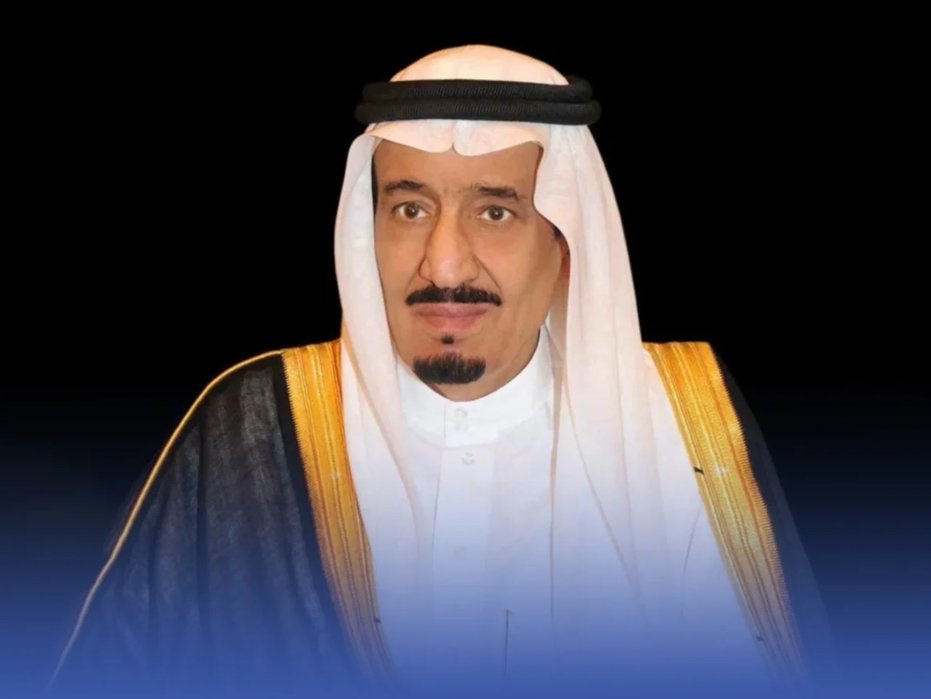
The Custodian of the Two Holy Mosques extends invitations to the second Gulf-European Summit on October 24; preparations are accelerating for a meeting bringing together the Gulf states and the European Union amid security, energy, trade, and regional transformation issues
Riyadh | BETH
The Kingdom has begun practical preparations to host the second Gulf-European Summit in Riyadh on October 24, with the Custodian of the Two Holy Mosques, King Salman bin Abdulaziz, extending official invitations to the leaders of the Gulf Cooperation Council states to participate in the summit.
The summit will bring together the leaders of the six GCC states with the leaders of the European Union member states, while European Council President António Costa and European Commission President Ursula von der Leyen will participate on the European side.
The second summit comes after the first meeting held in Brussels in 2024, which established a broader partnership in security, stability, trade, investment, energy, digital transformation, and mobility between the two sides. The two sides also agreed at the time to continue work on a free trade agreement, arrangements to facilitate travel, and cooperation in energy supply chains and clean technologies.
The Riyadh Summit gains additional weight because of the change in the regional environment since the first summit; issues of maritime security, energy, Hormuz, and the Red Sea have become more prominent, alongside growing defense and political dialogue between the Gulf and Europe.
Economically, the volume of trade in goods between the European Union and the Gulf states reached €165.6 billion in 2025, while the stock of European direct investment in the Gulf reached €163.1 billion in 2024, compared with €189.8 billion in Gulf investments within the European Union.
Therefore, the summit does not appear to be merely a periodic meeting; rather, it is a station to test the extent to which Gulf-European relations can move from dialogue to a more practical partnership in security, energy, and the economy.