


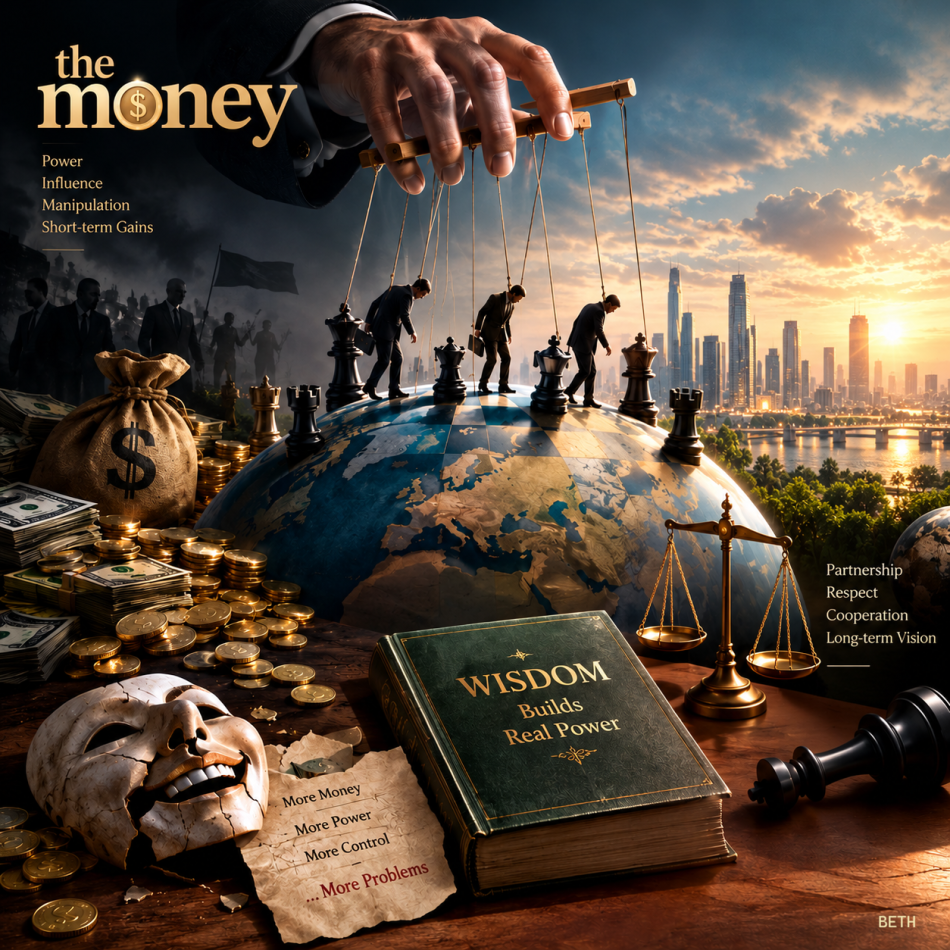
Saudi Arabia Outlines Its Position on the World
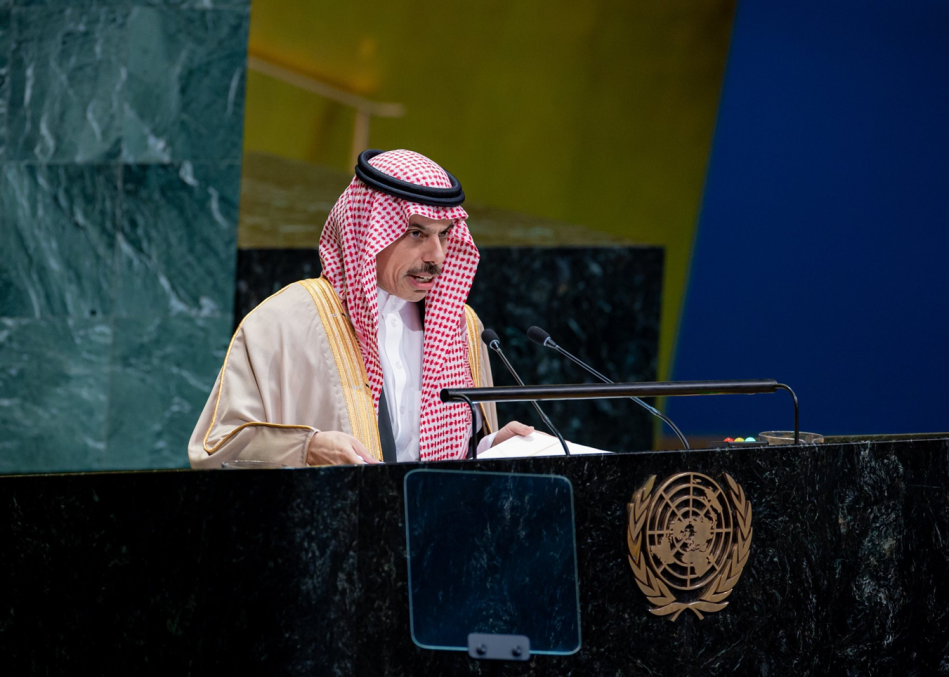
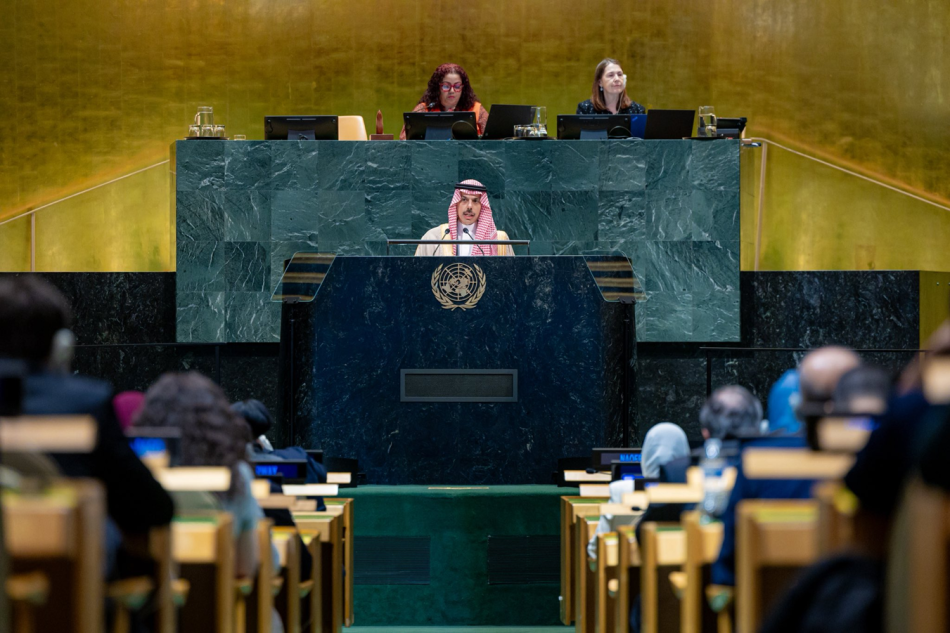
In the Kingdom’s address before the UN General Assembly, Faisal bin Farhan brings together Gulf security, freedom of navigation, Palestine, Yemen, international law, and development; placing regional stability within a framework broader than the war itself
New York | BETH
Saudi Foreign Minister Prince Faisal bin Farhan delivered an address before the 81st session of the United Nations General Assembly that brought together regional security, freedom of navigation, Palestine, Yemen, international law, and development, at a time when the region is facing simultaneous military and economic pressures.
He stressed that Gulf security is directly linked to global energy security, the continuity of trade, and global supply chains.
The address did not treat these issues as separate crises. Rather, it presented them within one broader idea: stability cannot be built through the temporary management of crises, but through comprehensive arrangements, clear international rules, and shared responsibility.
Hormuz and Bab Al-Mandab
One of the most prominent aspects of the address was its position on strategic waterways.
The Foreign Minister stressed that protecting international navigation is a shared responsibility, and rejected the use of waterways as a tool of coercion, while calling for the protection of freedom of navigation in the Strait of Hormuz and Bab Al-Mandab and for safeguarding the continuity of global supply chains.
He also reaffirmed the rejection of imposing fees on maritime navigation and linked Gulf security to global energy security, noting the role of Saudi Arabia’s East-West pipeline in helping reduce disruptions to energy supplies.
Here, the Saudi message moves beyond defending regional interests alone, making the case that maritime corridors are not a local bargaining tool, but part of the security of the global economy.
Gulf Security
Prince Faisal bin Farhan said that the security of the Gulf region is an integral part of regional and global security, and reaffirmed the Kingdom’s right to protect its security, sovereignty, and citizens amid attacks targeting countries in the region and their civilian and economic infrastructure.
At the same time, the address emphasized support for efforts to reduce escalation, including Qatari and Pakistani efforts, while stressing that any security arrangements for the region should be comprehensive and sustainable, and should not be based on domination or the imposition of influence.
Palestine
The Kingdom renewed its rejection of any attempts to displace the Palestinian people or undermine their legitimate rights, and linked long-term regional stability to the establishment of an independent Palestinian state and the end of occupation.
During the Kingdom’s engagements in New York this week, the Foreign Minister also stressed the need to halt settlement expansion, violence, and annexation policies, preserve the historical and legal status of Jerusalem, and continue efforts toward a just and comprehensive peace based on the two-state solution, the Arab Peace Initiative, and United Nations resolutions.
Yemen
On Yemen, the Kingdom condemned Houthi attacks and the threats they pose to security, calling on the international community to reject such practices while stressing the need for Yemen’s stability and the protection of civilians.
Here, the Yemen file is directly linked to Bab Al-Mandab and Red Sea security. In other words, Yemen in the Saudi position is no longer viewed as an isolated internal issue, but as part of the wider equation of maritime security, energy security, and regional stability.
International Law
A common thread running through the various issues was adherence to the principles of international law, respect for the sovereignty of states, the peaceful settlement of disputes, and ensuring the safety and freedom of navigation through international waterways.
This is significant because the Saudi position does not present security as a matter of military power alone, but also as a system of rules and obligations that should apply to all.
Development
The Saudi address did not stop at conflicts.
The Kingdom’s participation in the current UN session also gave space to sustainable development issues, particularly artificial intelligence and its responsible use to improve sectoral efficiency and support innovation, alongside Saudi Arabia’s designation of 2026 as the Year of Artificial Intelligence.
This places the Kingdom’s UN message on two parallel tracks:
Protecting stability today, and building development capacity for tomorrow.
BETH Reading
The most important message in the Kingdom’s address is not a single position on Hormuz, Yemen, or Palestine.
It is an attempt to outline an integrated Saudi vision for regional security:
Freedom of navigation cannot be separated from energy.
Gulf security cannot be separated from the global economy.
Yemen cannot be separated from Bab Al-Mandab.
And Palestine cannot be separated from the region’s long-term stability.
At the same time, the Kingdom does not present military force as the only answer. Rather, it brings together the right to self-defense, de-escalation, international law, comprehensive security arrangements, and development.
Summary
The Kingdom’s address can be distilled into six messages:
Security: Saudi Arabia will defend its sovereignty and security.
Navigation: Hormuz and Bab Al-Mandab are an international responsibility, not tools of coercion.
Palestine: No displacement, and no lasting stability without a Palestinian state.
Yemen: Houthi threats must be stopped, while civilians and maritime routes are protected.
Law: Respect for sovereignty and international rules is the foundation of stability.
Development: Security is incomplete without economic growth, technology, and sustainable development.
The address was therefore not a collection of separate files, but an articulation of a Saudi vision that says regional security should not be managed through recurring crises, but through the building of a more stable and broader regional order.