



Day 202: Pressure Continues
The G7 calls on Iran to stop arming the Houthis, while France and the United States move to protect Hormuz and energy; as the Yemen front expands and becomes more directly linked to Saudi security and global trade
Prepared and Analyzed by | Strategic Media Department – BETH Agency
International pressure on Day 202 of the war shifted from Hormuz alone to Yemen as well.
In New York, the G7 called on Iran to stop arming and supporting the Houthis, and condemned the continued attacks on Saudi Arabia and civilian navigation, considering the escalation a threat to international trade and global stability. It also called on the Houthis to halt military operations and return to the political track.
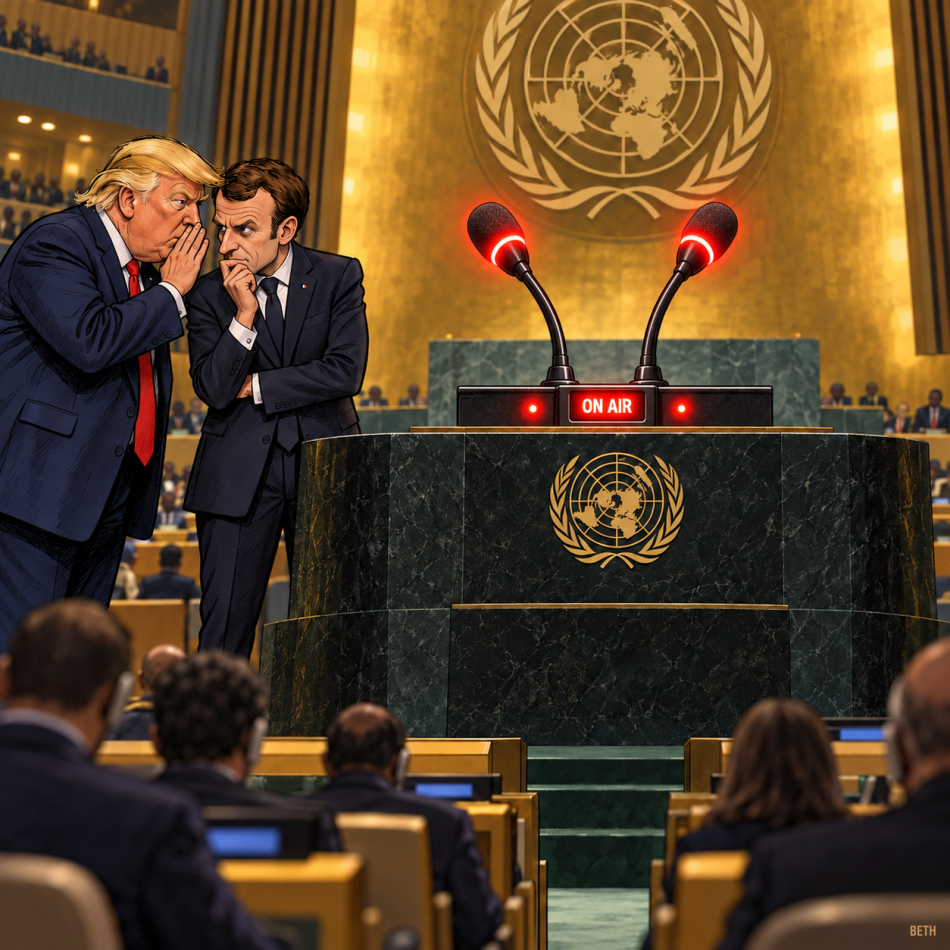
In parallel, French President Emmanuel Macron and U.S. President Donald Trump agreed to move together to reduce tensions in energy markets by protecting critical infrastructure in the Middle East and ensuring freedom of navigation in the Strait of Hormuz.
France is also working on a new draft resolution at the UN Security Council aimed at restoring freedom of navigation in Hormuz, in an attempt to move the issue from a solely military confrontation into a broader international framework.
Yemen
International defensive support preparations for Saudi Arabia expanded; Britain announced its readiness to provide logistical support for defensive missions, while France expressed its readiness to contribute to securing energy facilities in Yanbu and along the East–West Pipeline, within a defensive framework, according to Western sources.
Saudi official sources, however, have not confirmed this information.
Hormuz Has Not Calmed
Despite the political movement, the strait remained under threat.
The United Kingdom Maritime Trade Operations reported that a vessel was struck by a projectile while sailing toward Hormuz, causing minor injuries among crew members, in the latest indication that risks to shipping remain.
Shipping data indicate that visible vessel traffic remains low, while some tankers continue to transit with tracking systems switched off. Saudi Arabia, meanwhile, is once again using Hormuz to a greater extent to compensate for disruptions along the Red Sea route.
The War Moves to the United Nations
New York is turning this week into a political arena for the war, as world leaders and their representatives gather for the 81st session of the UN General Assembly. Iran, Hormuz, the Houthis, and energy security are expected to dominate a significant part of the speeches and bilateral meetings.
But the real test will begin after the speeches end.
Either the meetings produce a new international framework to protect navigation and energy and open a negotiating channel with Iran, or positions remain limited to political pressure and the course of the war returns to the battlefield.
For this reason, the most important thing happening in New York may not be what is said inside the hall, but what is agreed outside it.
BETH Analysis
The most important shift today is not in the number of strikes, but in the broadening definition of the crisis.
The issue is no longer being read as merely a U.S.-Iranian confrontation in Hormuz; it now includes three interconnected tracks:
Iran, the Houthis, and Saudi energy security.
The G7 statement is important because it directly links the Houthis to Iranian support, and shifts the issue from the description of a local group to an element in an international crisis affecting trade and energy.
At the same time, the entry of France and Britain into the line of support for Saudi Arabia reflects an awareness of the importance of protecting energy facilities and safeguarding global supplies.
As for the French move at the Security Council, it reveals a clear attempt to create an international political umbrella that would reopen Hormuz and limit the expansion of the war.
Today’s conclusion:
The battlefield is still expanding, but diplomacy has begun moving along the same track.