



Day 199: The War Is on the Path to an End
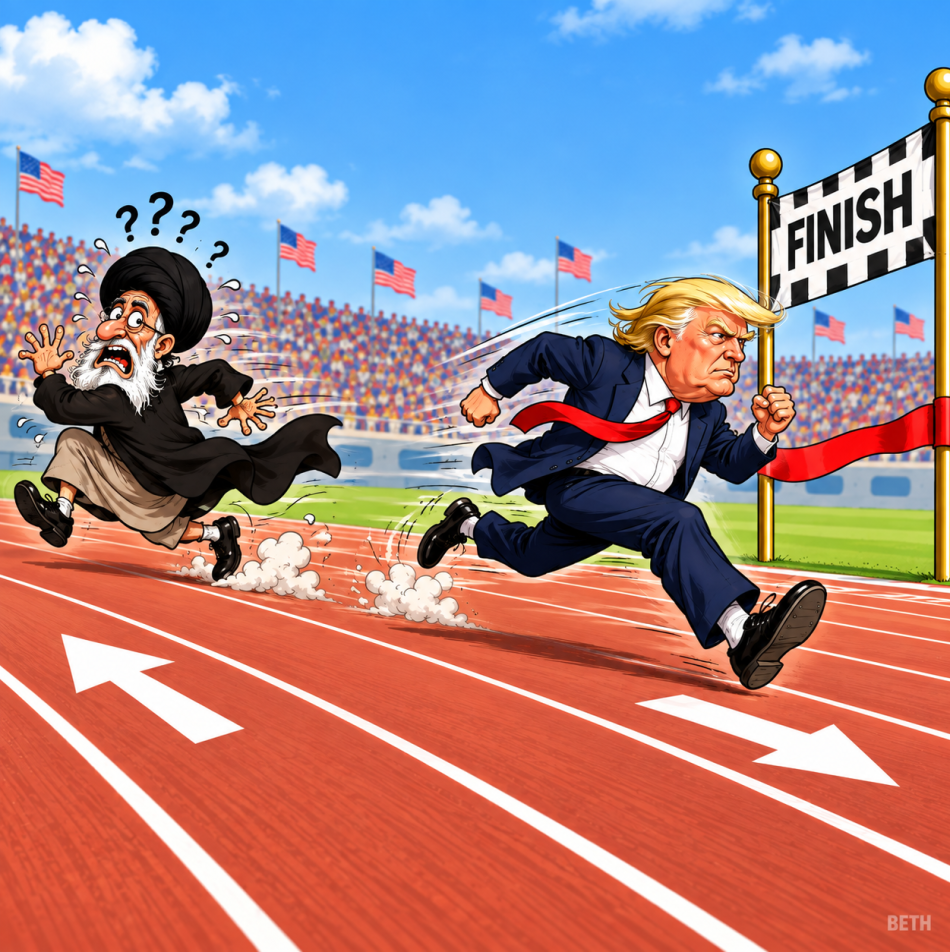
Air alerts recur in Saudi Arabia, the Yemeni army confronts Houthi escalation on more than one front, Iran faces mounting economic pressure, and Trump signals a new military step; while arrangements for Red Sea security and the post-war phase begin to take shape
September 19, 2026
Follow-up and Analysis | Strategic Media Department – BETH Agency
The U.S.-Iran war entered its 199th day, while its effects continue to spread from the sea to cities, and from trade corridors to domestic economies.
The clearest shift today:
The war is no longer seeking superiority alone; it is also searching for a formula by which it can end.
Saudi Arabia: A New Air Alert
Saudi Arabia issued warnings at dawn today of a hostile aerial threat, before Civil Defense announced that the danger had passed in a number of cities and governorates after early-warning sirens were activated in Riyadh, Al-Kharj, Khamis Mushait, Jeddah, Taif, Yanbu, AlUla, Jazan, Farasan and Abha.
This comes after days of continued Houthi missile and drone attacks on Saudi cities and sites, amid escalation on the Yemeni front and a widening threat to navigation and energy.
Yemen: The Army Confronts Escalation
Clashes continue between Yemeni government forces and the Houthis on several fronts, while the Yemeni army has intensified its movements in Marib, Taiz, Lahj and Bab al-Mandab.
The United Nations confirmed this week that fighting had intensified on the western coast, and that the Yemeni government launched a counteroffensive after Houthi advances, with clashes recorded in Marib, Lahj, Al-Jawf, Hajjah, Al-Bayda and Saada.
In Bab al-Mandab and the southern fronts of Taiz, government forces raised their readiness and dealt with Houthi attempts to advance, while the Yemeni Armed Forces continued targeting Houthi positions and equipment in areas of the western coast.
At the Security Council, several countries condemned Houthi attacks on Saudi Arabia and the targeting of navigation and civilian infrastructure, warning against the transformation of the coast and islands near Bab al-Mandab into a permanent source of threat to international trade. Interventions at the Council also held Iran responsible for continuing to support the Houthis militarily.
Iran: Pressure Reaches the Interior
In Tehran, the authorities organized a government rally in an attempt to demonstrate cohesion, alongside indications of new protest movements and growing social pressures since the outbreak of the war.
Iranian authorities have escalated arrest campaigns and political trials, alongside a clear rise in death sentences and executions. According to Human Rights Watch, the authorities executed dozens of people in recent months in connection with political cases and protests, including young people, following trials the organization described as lacking basic guarantees of justice. Dozens of others still face the risk of execution.
Human rights organizations warn of the expanding use of arbitrary detention, torture, enforced disappearance and confessions extracted under coercion, alongside the use of the death penalty as a tool to deter protests and political opposition.
This comes after Iran’s First Vice President apologized to the Iranian people over deteriorating living conditions and incomes failing to keep pace with prices.
Here, the contradiction becomes clear:
The authorities are trying to project cohesion in the street, while the tools of repression and the government’s apology together reveal the scale of pressure inside the country.
Economic pressure is no longer separate from political security; the more difficult citizens’ living conditions become, the more sensitive the street grows, and the greater the fear of protests becomes, the higher the cost of containing them.
Iran Looks for Alternatives
Iran is increasingly relying on land transport to compensate for what it has lost in maritime trade.
But land alternatives are slower and more expensive, and they cannot replace the scale of maritime trade, adding further pressure on prices, supply and the domestic economy.
Washington Raises the Pressure
U.S. President Donald Trump yesterday signed a new law expanding sanctions and restrictions linked to Russia, while extending existing authorities and sanctions on Iran.
Washington is therefore continuing pressure along two tracks:
Military pressure in the field, and economic pressure through finance and trade.
But the most important development came in Trump’s latest remarks.
He says the war will end “soon”, while at the same time moving closer to a decision on whether to resume large-scale military operations against Iran, and saying he wants to hear from Gulf leaders before determining the next step.
This means Washington is not speaking only about a quiet end to the war; it is speaking about raising the pressure before reaching it.
Where Is Israel?
Here, an important question emerges:
Where is Israel in the equation now?
Israel was a major party at the beginning of the war, but the current front appears more U.S.-Iranian; Washington is the side speaking about ending the war, the next military step, meetings with Gulf leaders, and post-confrontation arrangements. A possible Trump-Netanyahu meeting in New York has also not yet been finalized.
This does not mean Israel has left the equation.
But it suggests that the center of managing the endgame is moving more toward Washington, while Israel’s role remains part of the broader military and political equation.
The Red Sea Becomes Internationalized
At the same time, international moves to protect the Red Sea are expanding.
Italy has announced its readiness to strengthen its naval presence, and its defense minister has called for more ships to join the European Aspides mission to protect navigation through Bab al-Mandab.
South Korea is also discussing a broader role in protecting shipping and energy routes, while seeking to avoid direct involvement in the war.
This shift is important:
Bab al-Mandab is no longer only a Yemeni issue; it is gradually becoming an international security issue.
Muscat: What Is Behind the Meeting?
Reports have spoken of a U.S. meeting with Houthi representatives in Muscat in recent days. The U.S. State Department has not publicly confirmed the details of the meeting.
The importance of the report lies not in the details of what was said in the room, but in its timing.
Washington is searching for an end to the war, the Red Sea is under growing pressure, and the Houthis are attacking Saudi Arabia while moving on the ground in Yemen.
This raises the question:
Is Washington testing the possibility of separating the Houthi front from the broader confrontation, or at least containing it before any engagement with Iran?
Saudi Arabia: What Does the Calm Mean?
At the same time, Saudi Arabia continues to maintain a high degree of calm despite the attacks.
But that calm coincides with important developments:
Washington has approved a deal including 48 F-35 fighter jets for Saudi Arabia worth $24.3 billion, representing a potential qualitative shift in the capabilities of the Royal Saudi Air Force.
The Yemeni army is reorganizing its fronts.
Countries are moving to protect the Red Sea.
And the United States is preparing to discuss the future of the war with Gulf leaders.
Saudi silence therefore does not appear to be a vacuum.
The calm may be a phase of calculation, not an absence of decision.
The question is not:
Will Saudi Arabia respond?
But:
How, when, and what objective does it want to achieve?
Why Saudi Arabia?
Another question remains:
Why are Houthi attacks focused on Saudi Arabia more than the rest of the region?
Geography provides a large part of the answer.
And targeting Saudi Arabia creates a greater media, economic and political impact because of the Kingdom’s weight in energy markets and the regional economy.
Energy: The Crisis Is Changing Shape
Oil remains above $100, but the crisis is no longer linked to crude shortages alone.
Pressure now extends to refining, transportation, diesel and shipping costs, and then to inflation, interest rates and growth.
Thus, the equation of the war is changing:
Oil is not the only problem.
The problem has become everything that comes after oil.
Transport.
Refining.
Prices.
Interest rates.
Then growth.
China Softens the Shock
Despite the disruption in Hormuz, oil prices have not reached the levels the market feared at the beginning of the crisis.
One reason is the large stockpiles China built up over previous years, giving it greater capacity to reduce immediate demand during periods of disruption.
The lesson is simple:
Those who prepare for a crisis before it happens pay a lower price when it arrives.
What Do the Indicators Say?
Today’s picture brings together several elements:
Trump speaks of a near end, but signals greater force.
Washington is listening to the Gulf before determining its next step.
Countries are becoming more involved in Red Sea security.
The Yemeni army is applying pressure in the field.
Saudi Arabia is strengthening its military capabilities while maintaining its calm.
And Iran is facing rising economic and social costs.
None of this means the war will end tomorrow.
But it does mean that the phase of searching for the shape of the ending has begun more clearly.
The question on Day 199 is no longer:
Will the war continue?
But:
What round will come before its end, and who will determine the terms of that ending?