


Saudi Finance Minister Opens a New Financial Chapter at Money20/20
Al-Jadaan: The third phase of Saudi Vision 2030 raises the level of ambition; the financial sector is moving from building infrastructure to maximizing impact, attracting capital, and empowering the private sector
Riyadh | Special Report – BETH
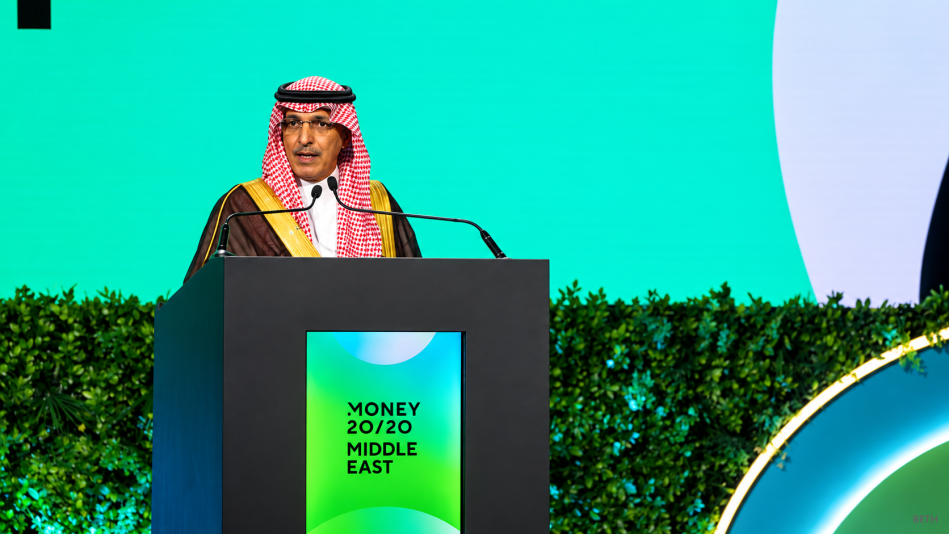
Saudi Minister of Finance and Chairman of the Financial Sector Development Program, Mohammed bin Abdullah Al-Jadaan, opened the second edition of Money20/20 Middle East, placing the next phase of Saudi financial transformation under a clear theme: maximizing impact and building on achievements.
Al-Jadaan said that the gathering of financial-sector leaders, investors and innovators in Riyadh reflects the Kingdom’s attractive financial and investment environment, as well as the confidence and resilience it has demonstrated in dealing with changing conditions.
He added that the entry of Saudi Vision 2030 into its third phase raises the level of ambition for the next stage, supporting market efficiency, enabling the private sector to grow and compete, and strengthening the Kingdom’s ability to attract capital and expand investment opportunities.
From Building to Impact
The core of Al-Jadaan’s speech was not a listing of achievements, but the definition of the next phase.
According to the minister, the Financial Sector Development Program has contributed to building a deeper, more diverse and more prepared financial environment through developing legislative and regulatory frameworks, deepening markets, expanding financing and investment options, and preparing the financial infrastructure to accommodate modern technologies and innovative business models.
This means the task is no longer only about building institutions, rules and platforms, but about measuring their impact on the real economy, company growth, investment attraction and market efficiency.
A More Digital Sector
The numbers show the scale of this transformation.
Electronic payments accounted for 85% of total retail payment transactions in 2025, compared with 79% in 2024, while the number of electronic transactions reached 14.6 billion.
The number of fintech companies in the Kingdom also rose from 20 companies in the early stages of the journey to 301 companies by the end of 2025, making fintech one of the fastest-growing components of the financial sector.
In 2026, open banking moved from the testing phase to actual licensing of fintech companies, opening the door to new models for financial services, data and products.
Confidence Under Test
Al-Jadaan also stressed that the financial sector’s ability to support growth is linked to its capacity to deal efficiently with change while maintaining confidence and stability.
This statement carries particular significance given its timing.
The Saudi financial sector has faced accelerating economic and geopolitical pressures in the recent period, yet continued operating within strong regulatory and institutional frameworks, supported by solid levels of capital and liquidity.
The latest central bank data indicate continued growth in monetary and financial indicators, with inflation remaining relatively low, while the banking sector continues to support credit and economic activity.
A Deeper Market
The transformation is not limited to banks and payments.
The Financial Sector Development Program has also contributed to deepening the capital market, increasing listings, expanding institutional investment, and developing debt markets and asset management.
According to program data, the market had already exceeded a number of its 2025 targets ahead of schedule, including the share of non-cash payments, the size of banking-sector assets, the number of fintech companies, and the number of market listings.
Money20/20... More Than a Conference
The holding of Money20/20 Middle East in Riyadh reflects this transformation rather than merely serving as an international financial event.
The conference brings together banking leaders, fintech companies, investors, policymakers and innovators at a time when the Kingdom is seeking to strengthen its position as a regional hub for finance, technology and investment.
Riyadh is therefore becoming not only a market that receives new financial products, but a place where new models are designed, tested and financed.
BETH Reading
Al-Jadaan’s speech outlines a clear shift in the philosophy of the Saudi financial sector:
The first phase built the frameworks.
The second phase expanded the market.
The third phase seeks to maximize impact.
That impact is now measured in three directions: greater ability to attract capital, broader space for private-sector growth, and a financial sector more resilient in the face of crises and change.
The most important message is that the financial sector is no longer viewed merely as a service sector, but as one of the main drivers of Saudi economic growth.
The deeper the market becomes, the more diversified financing grows, the faster technology advances, and the stronger confidence becomes, the greater the economy’s ability to finance its projects and transformations from both domestic and international sources.
For this reason, Al-Jadaan’s phrase “maximizing impact and building on achievements” appears to be more than a description of a new phase of Vision 2030.
It simply defines the next Saudi financial question:
Not how many institutions, markets and technologies we have built, but how much this ecosystem has added to growth, investment and competitiveness.