



The Arabian Lion Returns to Its Den
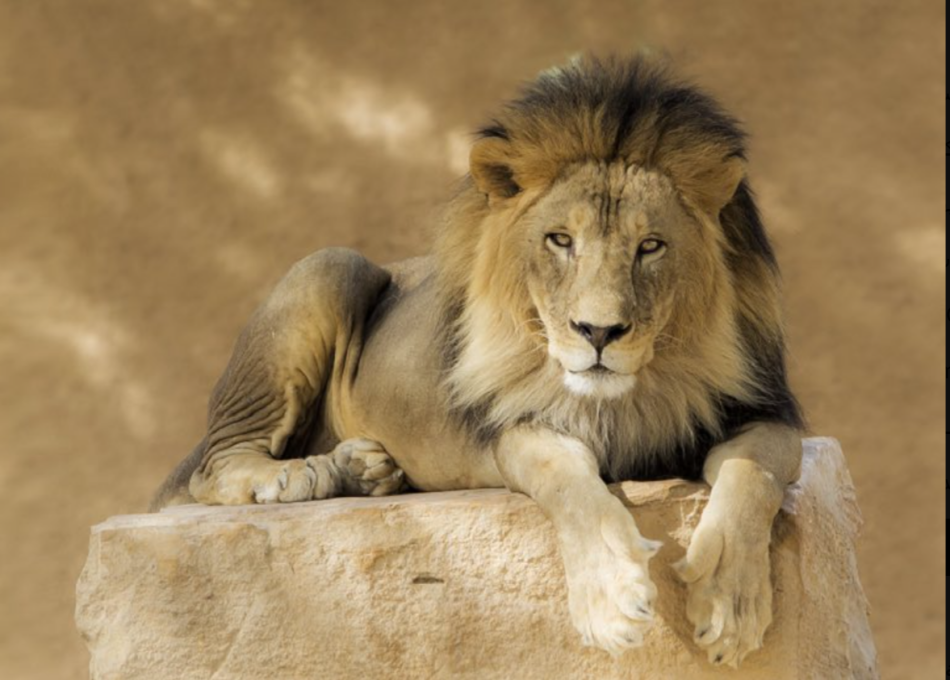
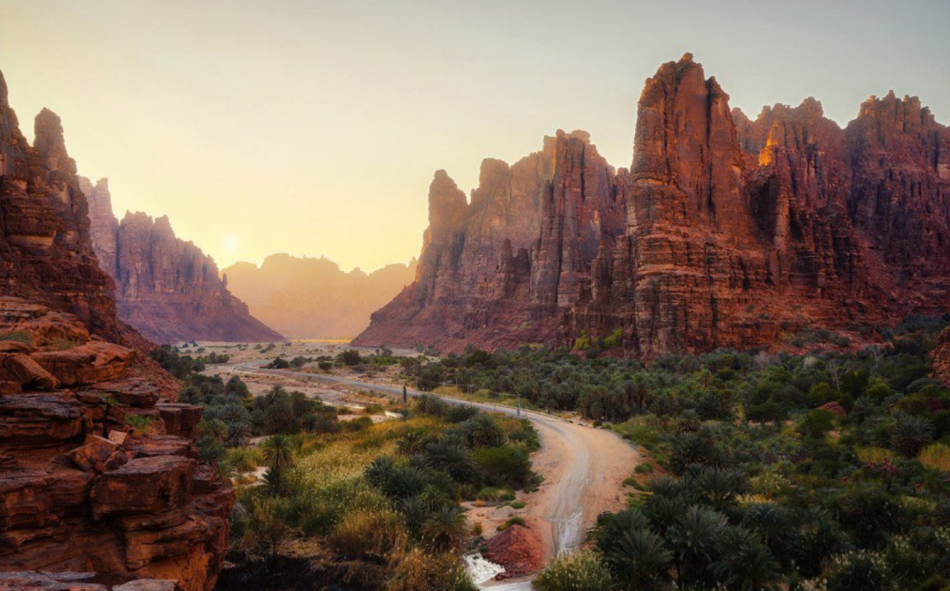
Prince Mohammed bin Salman Royal Reserve lays the foundations for reintroducing the Asiatic lion as part of a project to restore 23 historical species and build an integrated ecosystem
Riyadh | BETH
Prince Mohammed bin Salman Royal Reserve is working to prepare the environment required to reintroduce 23 species whose historical presence within its boundaries has been established, including the lion, known in its historical habitat as the Arabian lion.
The Reserve’s Board of Directors approved the reintroduction of the lion, which is classified as an endangered species, as part of a long-term step aimed at eventually returning it to the environment where it historically lived in northwestern Arabia.
The decision does not mean that lions will be released into the Reserve soon. It will be preceded by scientific and environmental stages that include restoring vegetation cover, increasing prey populations, building a balanced food chain, assessing the carrying capacity of habitats, selecting the appropriate subspecies, and establishing programs for veterinary care, monitoring, and safe coexistence with surrounding communities.
The Reserve’s Chief Executive Officer, Andrew Zaloumis, explained that restoring an apex predator the size of a lion is “a journey that spans generations,” rather than an event tied to a specific date. He stressed that current work is focused on laying the foundations that will make its return possible and sustainable in the future.
Evidence from the Rocks
The reintroduction plan is based on historical and environmental evidence documenting the lion’s presence in the region.
Depictions of the lion have appeared at more than 12 rock art sites within the Reserve, making it one of the recurring symbols in the ancient natural landscape.
During the “Green Arabia” period around 12,000 years ago, fertile habitats stretched from Africa across the Arabian Peninsula, where herds of herbivores and predators, including lions, flourished.
The Reserve covers an area of approximately 24,500 square kilometers and is working to restore its ecosystems in a way that allows species lost because of hunting, habitat loss, and environmental changes to return.
Rebuilding Nature
The lion is one of 23 historical species whose reintroduction has been approved by the Reserve’s Board of Directors.
The plan is not based on gathering separate species within a protected area, but on rebuilding the relationships among them. Plants provide food for herbivores, while these animals reshape vegetation and disperse seeds. Predators, meanwhile, help regulate their populations and prevent ecological imbalance.
This is why the lion comes at the end of the restoration stages, not at the beginning. An apex predator cannot live and survive unless the ecosystem beneath it is capable of supporting it.
BETH Commentary
The project’s success will not be measured by the moment the lion is released, but by the day its presence becomes natural and it reproduces in its habitat without the environment losing its balance or people losing their safety.
The Reserve is not merely restoring an animal that disappeared; it is attempting to restore an entire page from the natural history of the Arabian Peninsula.